Elephant Island,Antarctica
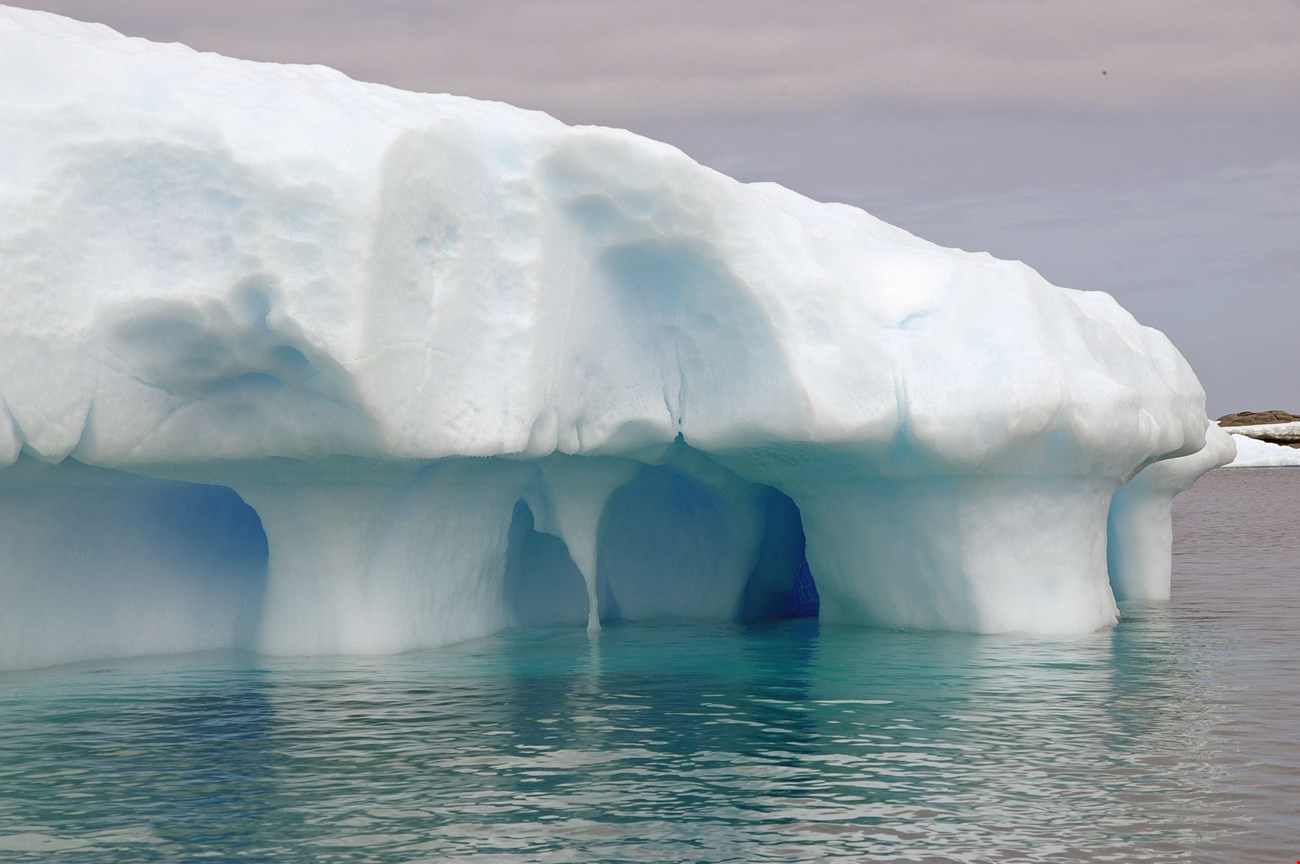
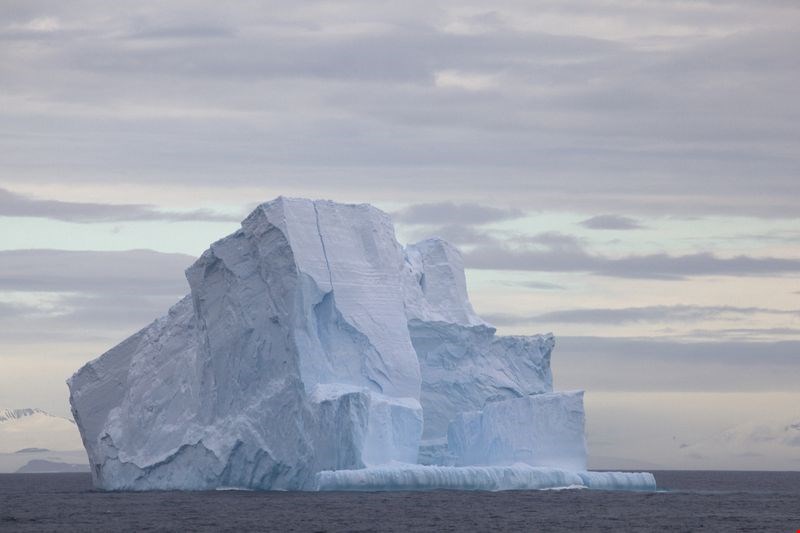
Elephant Island is a remote, beautiful island, covered with ice, in a short distance from the coast of Antarctica. The only inhabitants are penguins, seals and walruses but everything around you will enchant you.The island supports no significant flora or native fauna although migratory Gentoo penguins and seals may be found, and Chinstrap penguins nest in season.The island is well placed to support scientific, fishing and whaling activities.This ice-covered location will pleasantly surprise the winter's lovers!
Antarctic Sound/Peninsula
Antarctic Sound is a body of water about 30 miles (50 km) long and from 7 to 12 miles (11 to 19 km) wide, separating the Joinville Island group from the northeast end of the Antarctic Peninsula. The sound was named by the Swedish Antarctic Expedition under Otto Nordenskiöld for the expedition ship Antarctic which in 1902, under the command of Carl Anton Larsen, was the first vessel to navigate it.
Drake Passage, South America
The Drake Passage is one of the wildest, most remote, and legendary sea crossings in the world. It lies between the southern tip of South America (Cape Horn, Chile) and the Antarctic Peninsula. It spans approximately 800 kilometers in length and about 1,000 kilometers in width, making it the shortest route between the Atlantic and Pacific Oceans.
South Shetland Islands
The South Shetland Islands lie north of the Antarctic Peninsula and form a remote archipelago of great scientific and geopolitical importance. Discovered in the early 19th century, they were soon used as a base for whaling and sealing, while today they host several research stations from different countries. Their climate is cold but relatively milder compared to the Antarctic interior, making them more accessible. The South Shetlands combine wild polar nature, glaciers, and rich marine life, attracting both scientists and travelers seeking the Antarctic experience.
West Point Island
West Point Island is a small island in the northwestern part of the Falkland Islands, known for its striking landscapes and abundant wildlife. Despite its small size, it hosts large colonies of seabirds, such as albatrosses and cormorants, nesting on its steep cliffs. The island’s scenery is marked by green hills, rocky shores, and rich vegetation. West Point attracts visitors interested in birdwatching, hiking, and experiencing a pristine, remote corner of the South Atlantic.
Port Stanley, Falkland Island
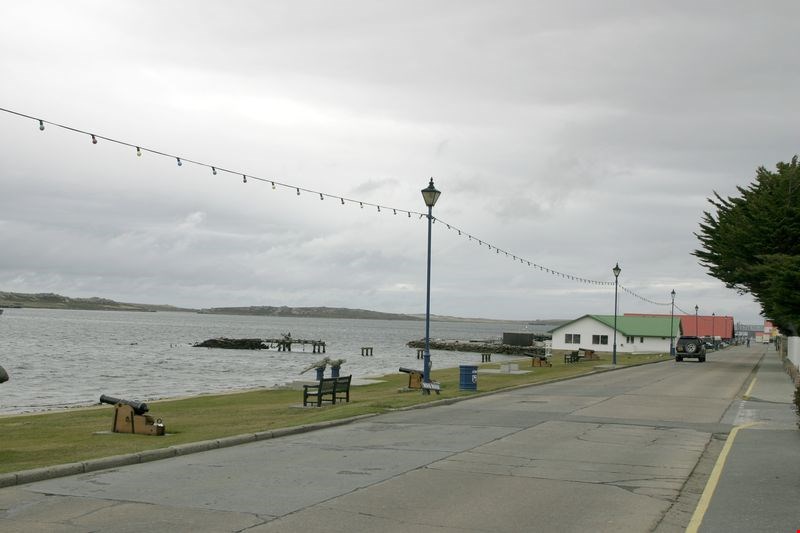
Stanley or Port Stanley is the capital and only city essentially the Falkland Islands. The Falklands archipelago is teeming with wonders of wildlife and nature experience personal encounters with peguins and pinnipeds or the beauty of delicate flowers. Discover an unpolluted environmernt with fantasically clear blue skies seamless horizons, vast open spaces and stunning white sand beaches. Whether you are looking for adventure or seeking quiter pleasure the falklands are a great place to relax and unwind.
Puerto Williams, Navarino Island, Chile
Puerto Williams is a small Chilean town on Navarino Island in the Beagle Channel, often called the southernmost settlement in the world. Remote, windswept and surrounded by the jagged Dientes de Navarino mountains, it serves as a naval base, gateway to Antarctic waters and starting point for rugged trekking in the wild landscape of Tierra del Fuego.
Saunders Island, Falkland Islands
Saunders Island is located northwestern in Falkland Islands and it is known for its wildlife, as many animal species, like magellanic penguins, elephant seals and swans, live there.
South Georgia
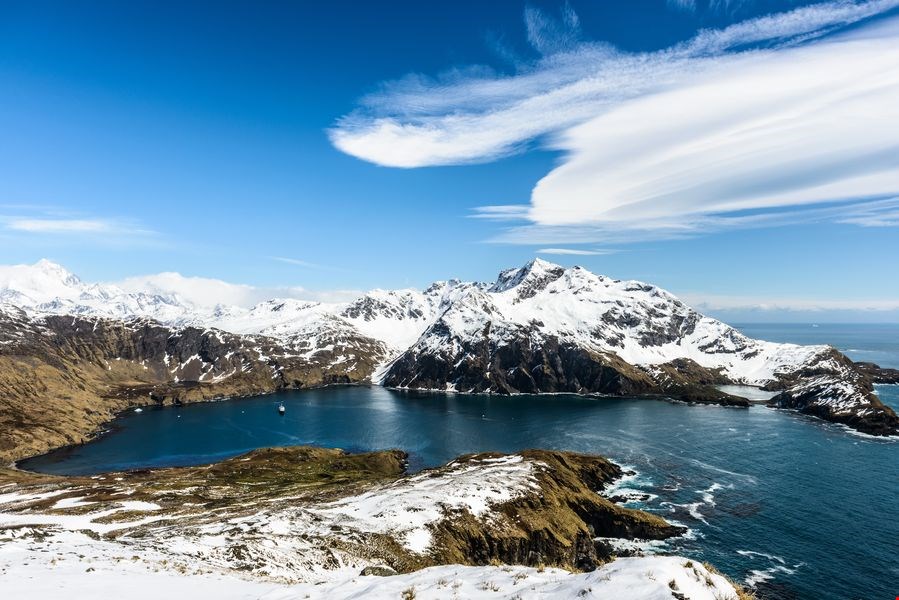
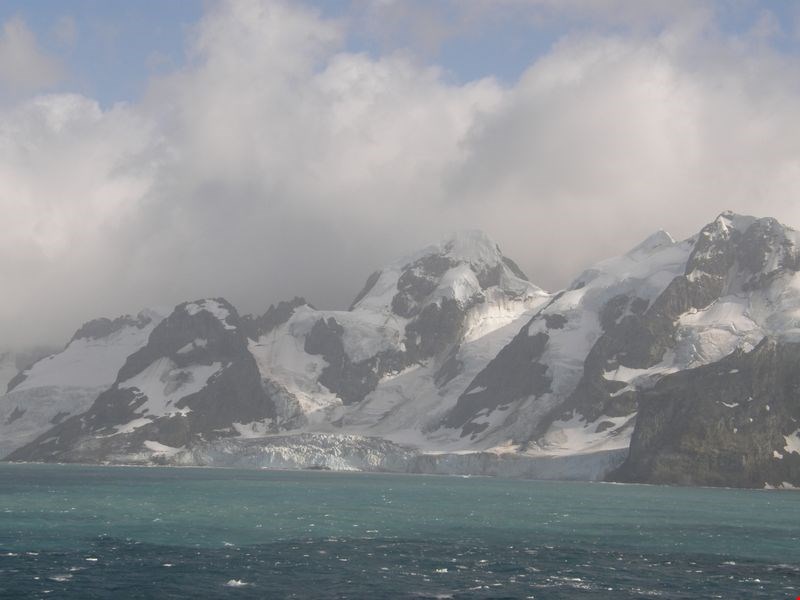
South Georgia and the South Sandwich Islands are a remote group of islands in the South Atlantic Ocean, belonging to the United Kingdom as an overseas territory and administered by an official based in the Falkland Islands. The landscape is mainly mountainous and glaciated, with harsh weather conditions and strong winds, and the area serves as an important ecosystem for seabirds, penguins, and seals. The region became known in the 19th century through exploratory expeditions and was once a base for whaling stations. Today, it is primarily used for scientific research and environmental conservation, with very limited human presence.