Miyazaki (Aburatsu), Japan
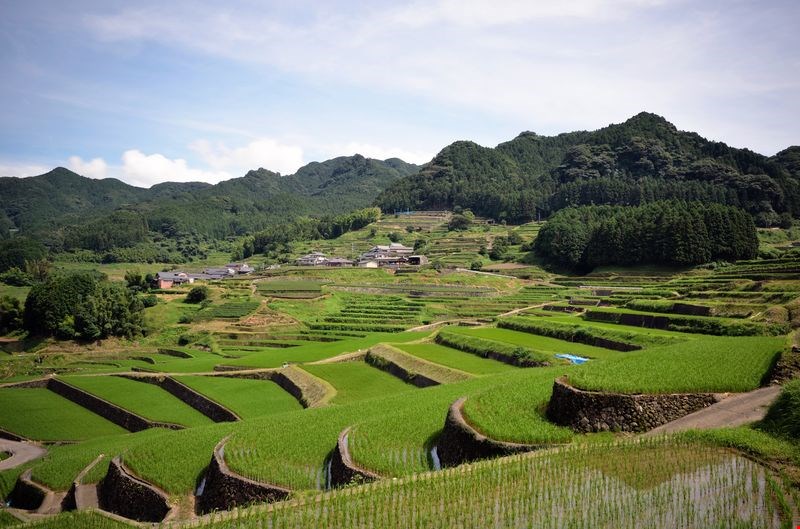
Miyazaki is located on the coast of the island of Kyushu in Japan, is crossed by several rivers and enjoys scenic views of both ocean and nearby, verdant mountains.
Miyazaki is located on the coast of the island of Kyushu in Japan, is crossed by several rivers and enjoys scenic views of both ocean and nearby, verdant mountains. A popular resort destination for Japanese tourists, the city offers many attractions and is the primary shopping destination for eastern Kyushu residents in smaller towns around the prefecture. Miyazaki city was founded on April 1, 1924.
Jeju Island (South Korea)
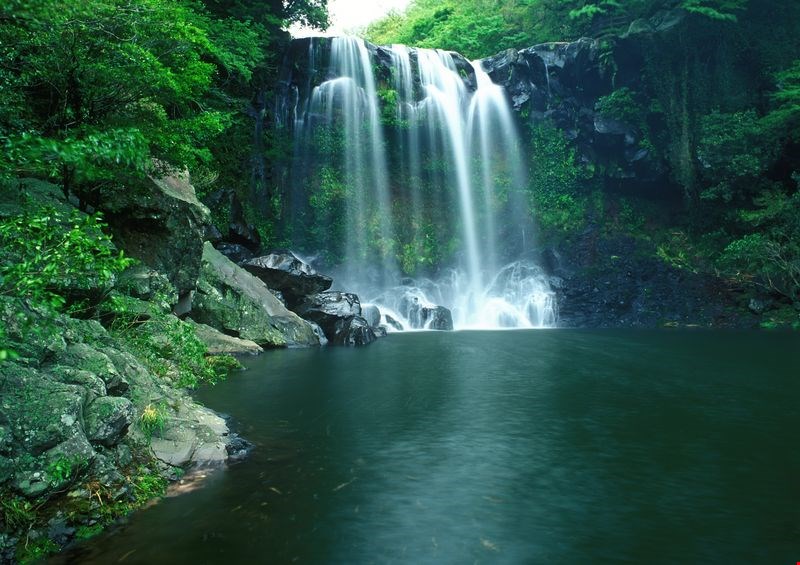
Jeju Island, also known as the "Island of the Gods" is a popular holiday destination. The volcanic composition of the soil and the mild climate make it very similar to the islands of Hawaii. The island offers to visitors a wide range of activities, including hiking on Halla-san, the highest peak of South Korea, or to majestic waterfalls, riding, and swimming in light blue waters of beautiful sandy shores.
Hiroshima
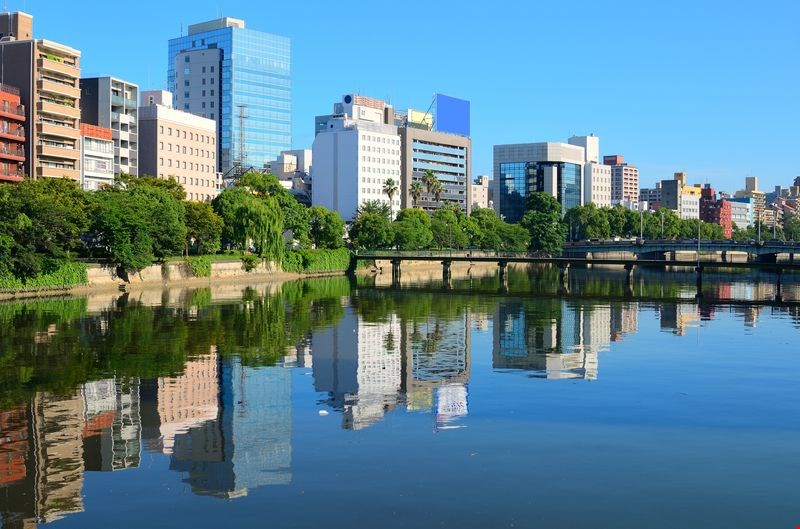
Hiroshima is the capital of Hiroshima Prefecture, and the largest city in the Chūgoku region of western Honshu, the largest island of Japan. It is best known as the first city in history to be targeted by a nuclear weapon when the United States Army Air Forces (USAAF) dropped an atomic bomb on it at 8:15 A.M. on August 6, 1945, near the end of World War II.
Seoul (Incheon) (South Korea)
Incheon is a coastal city in South Korea, located near Seoul, and serves as a major gateway to the country thanks to its world-class international airport. Although close to the capital, Incheon maintains its own distinct identity, featuring modern infrastructure, the international business hub of Songdo, and historical areas like Chinatown and its busy port. It blends technology, urban innovation, and cultural diversity, acting as a key bridge between the West and the Korean metropolis.
Kochi, Japan
Kochi is a city on the island of Shikoku in Japan and the capital of Kochi Prefecture. It is best known for Kochi Castle, one of the few original Japanese castles still standing, as well as for Hirome Market, one of the country’s largest open-air markets. The area is famous for its local cuisine, especially katsuo no tataki (lightly seared bonito), and every August the city hosts the colorful Yosakoi Festival.
Nagasaki, Japan
The Japanese city of Nagasaki is built on a long narrow bay which forms a natural harbor on the Kyushu island. After 1571 the town grew rapidly and turned into a trade center and important port. Gradually, developed in a large base of Japanese Navy. Nagasaki is best known for the atomic bomb attack during the Second World War.
Tokyo
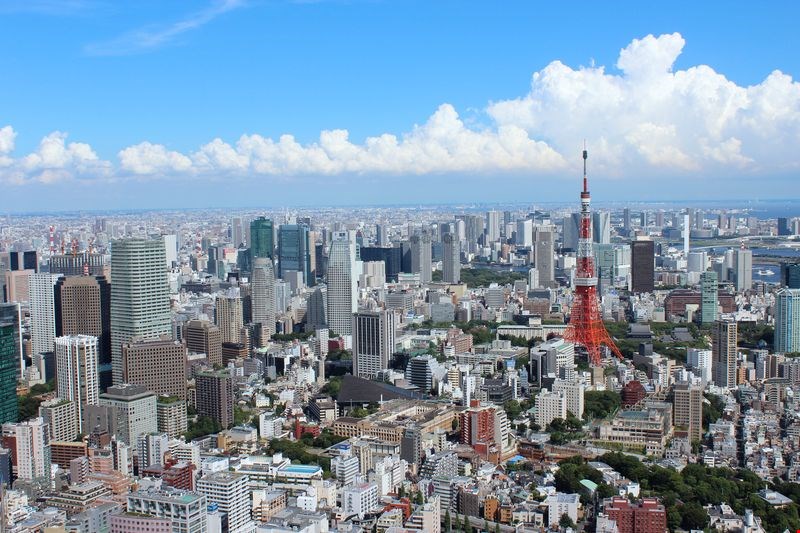
Tokyo is the capital of Japan. At over 12 million people in the official metropolitan area alone, Tokyo is the core of the most populated urban area in the world, Greater Tokyo (which has a population of 35 million people). This huge, wealthy and fascinating metropolis brings high-tech visions of the future side by side with glimpses of old Japan, and has something for everyone.
Osaka, Japan
Osaka is one of the major cities of Japan and is located in Pearl River Gionto, the main island of Honshu. Osaka is currently the headquarters of many multinational companies and its market is one of the most important in the world. Osaka is known for Bunraku (traditional puppet theaters), Kabuki theaters and more recently for manzai (improvised comedy). The city is also rich in museums.
Busan (South Korea)
Busan is the second largest city in South Korea, an international trade port, which is famous for its seafood, beautiful, pristine beaches, craggy islets that are promising wonderful experiences to the adventurous travellers.
Tianjin, China
Tianjin is one of the largest and most important cities in China, located in the northern part of the country, near Beijing. It is one of China's four direct-controlled municipalities (along with Beijing, Shanghai, and Hong Kong) and serves as the country's largest port on the northern Chinese coast. The city has a rich history and cultural heritage, blending traditional Chinese elements with influences from the Western colonial period. Tianjin became a significant commercial and naval center during the 19th and 20th centuries when it was a port open to foreigners, leaving a lasting impact on the city's architecture.