Amalfi
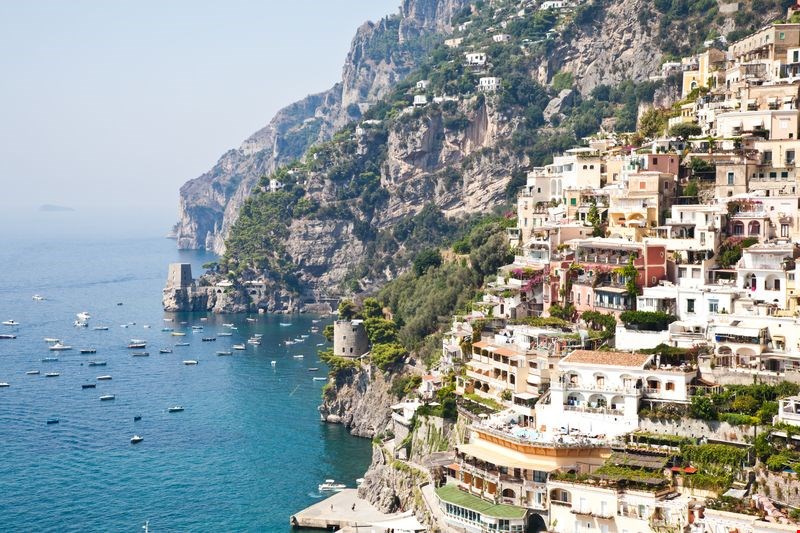
Amalfi is a picturesque seaside town on the famous Amalfi Coast in southern Italy. Built amphitheatrically between steep cliffs and the Mediterranean Sea, it captivates visitors with its natural beauty and medieval architecture. Highlights include the Cathedral of Saint Andrew, narrow winding alleys, and the charm of a historic maritime town. Amalfi is an ideal destination for romantic travelers, history lovers, and anyone seeking authentic Italian elegance.
Barcelona, Spain
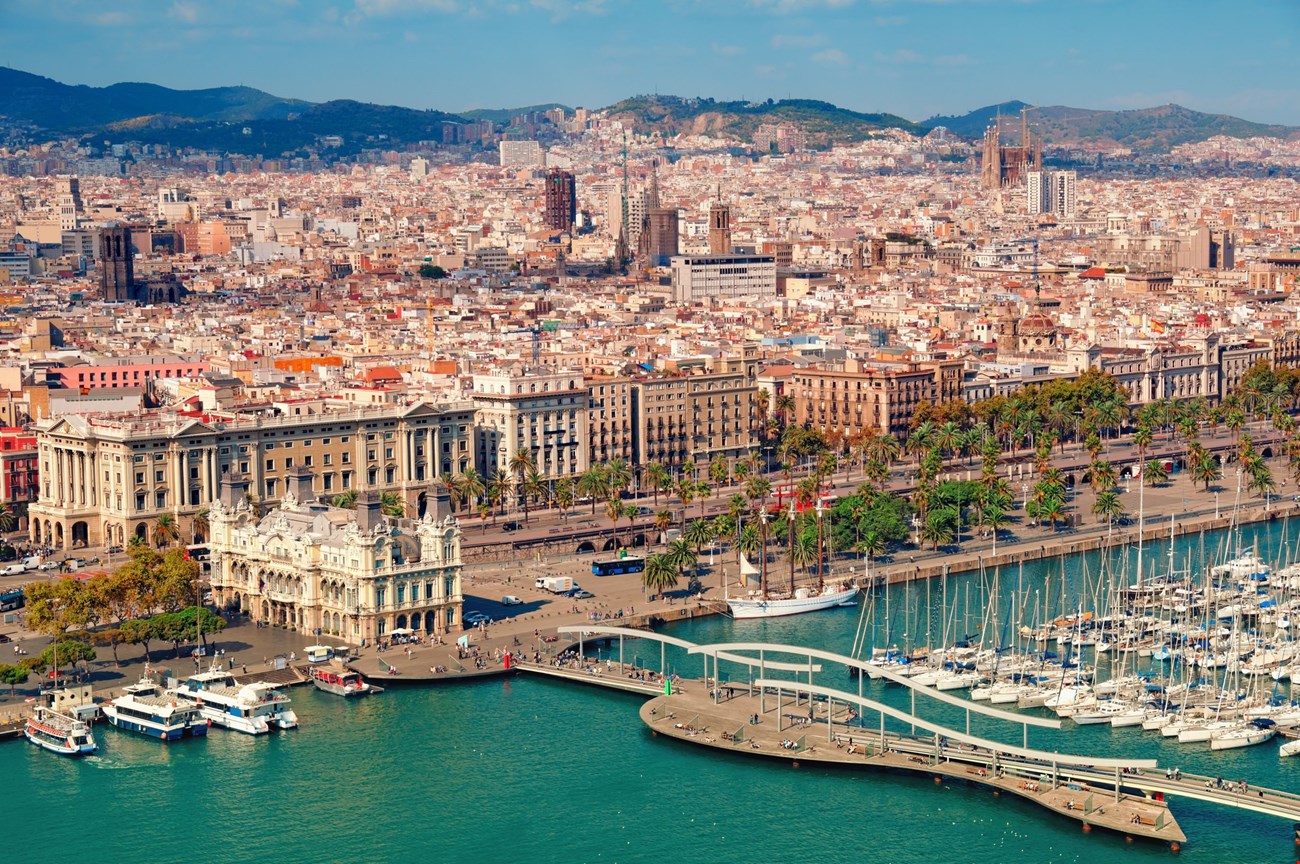
Famous for its unique atmosphere and cultural interest, Barcelona is one of the most vivid cities in Europe. Stroll along Las Ramblas, explore the cobbled streets of the Gothic section or visit the unfinished masterpiece of Gaudí, the Sagrada Familia. Alternatively, go on a bike tour through the old town and along the beach. Go for a walk in the park Guell Gaudi, a truly amazing oasis of plants, trees and buildings. Do not miss the Picasso Gallery, with more than 2000 works of the artist.
Cagliari
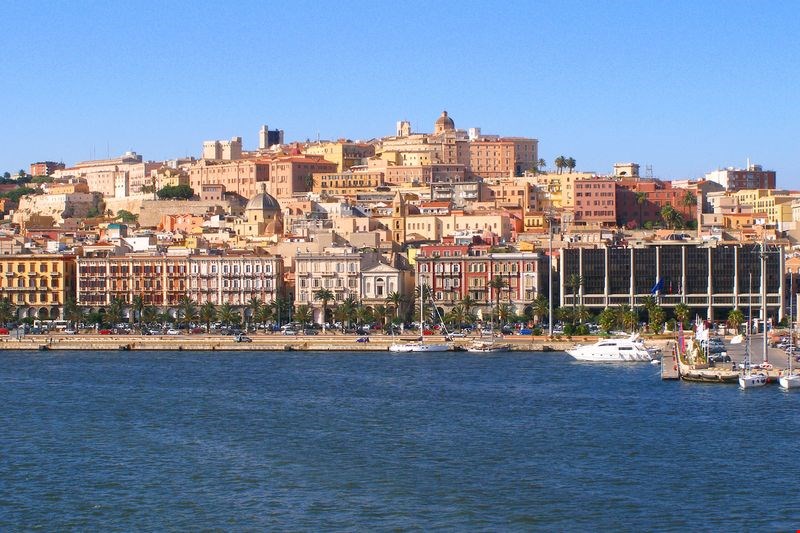
Cagliari is the capital of Sardinia and offers magnificent views of the Castello district, as you enter the harbor. Visit the old town and wander the narrow streets. Do sunbath in untouched beaches or snorkeling in exciting underwater caves.
Tunis (La Goulette)
Tunis (La Goulette) is the main port of Tunis, the capital of Tunisia, located in North Africa. La Goulette lies just outside the city center, on the Mediterranean coast, and serves as the maritime gateway to Tunis. Formerly a fishing village with a strong Italian and French presence, today it is known for its seaside restaurants, beaches, and its blend of African and European architectural influences. Cruises and excursions to ancient Carthage and the picturesque village of Sidi Bou Said often depart from here.
Palma De Mallorca, Spain
Palma de Mallorca is not just the capital of the Balearic Islands—it's a living canvas where history, architecture, the sea, and the Mediterranean way of life blend with natural elegance. The city unfolds around a magnificent natural harbor, with the striking Gothic cathedral of La Seu rising above it like a quiet reminder of Mallorca’s grand past. Behind the old city walls, narrow alleys wind through aristocratic palaces, charming inner courtyards, and lively little squares that pulse with everyday life.
Palma moves to a distinctly Mediterranean rhythm: mornings are bright and filled with the scent of fresh ensaïmada, afternoons are slow and savor-rich, with long lunches and wine, and evenings stretch into open-air conversations and social energy. The city’s modern identity expresses itself through art, design, gastronomy, and a spirit that effortlessly blends European culture with island ease. From peaceful strolls along the seaside promenade to the vibrant energy of a night out, Palma reveals itself gradually—refined yet authentic, cosmopolitan yet deeply rooted in its local character.
It’s not a city that tries to impress—it’s a city that, if given time, reveals its grace slowly. And that makes it linger in the memory not as a postcard image, but as a textured, resonant experience filled with sound, light, and feeling.
Civitavecchia/Rome, Italy
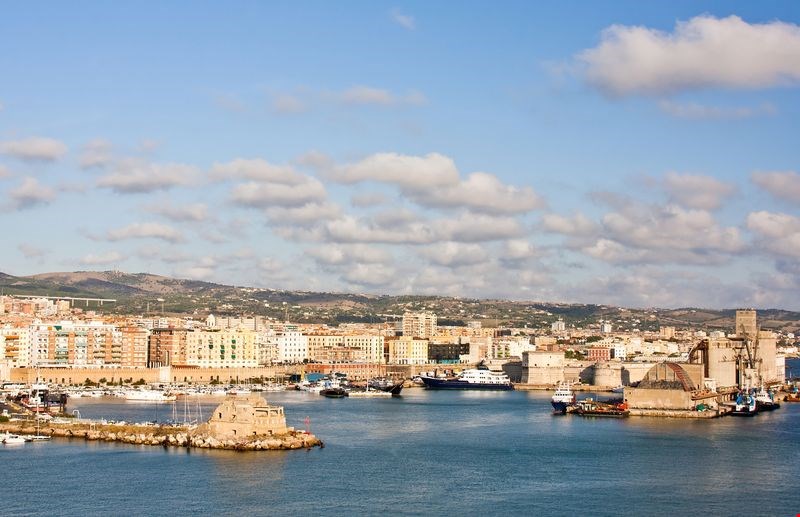
Civitavecchia is a town and comune of the province of Rome. A sea port which is located 80 kilometres west-north-west of Rome. The harbor is formed by two piers and a breakwater, on which is a lighthouse.
Trapani (Sicily), Italy
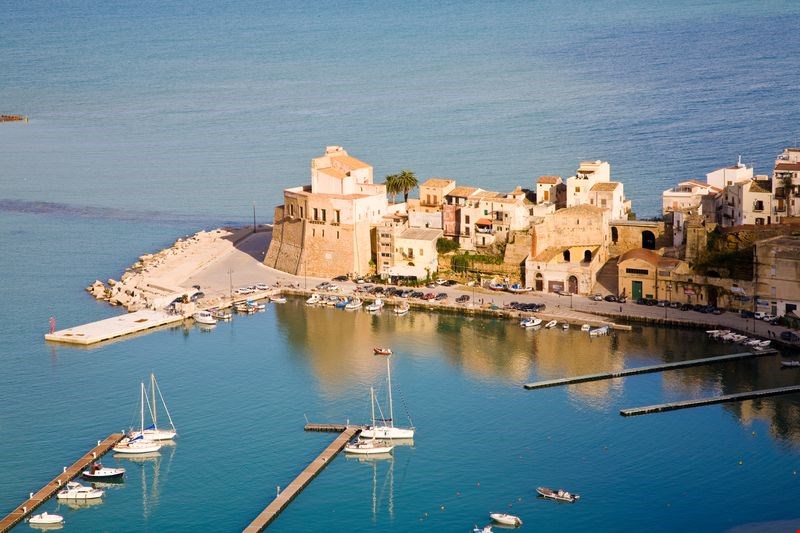
Trapani is a coastal city in western Sicily, built on a narrow strip of land that stretches into the Mediterranean. Historically, it was an important commercial and maritime center, known for tuna fishing and for salt production from its surrounding salt pans. The old town is distinguished by its Baroque buildings, churches, and narrow streets, while the city also serves as a starting point for excursions to the nearby Egadi Islands and the ancient site of Segesta. Trapani combines historical heritage, picturesque charm, and gastronomy, offering an authentic taste of Sicilian culture.