Jeju Island (South Korea)
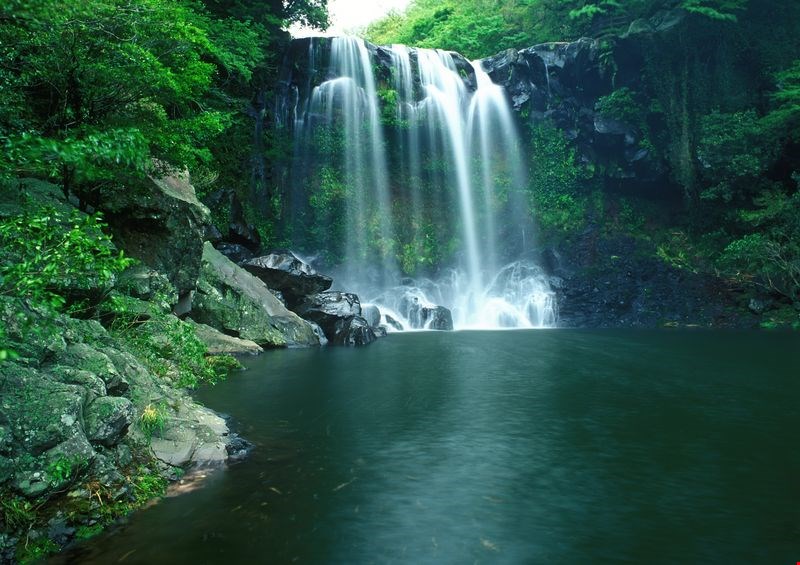
Jeju Island, also known as the "Island of the Gods" is a popular holiday destination. The volcanic composition of the soil and the mild climate make it very similar to the islands of Hawaii. The island offers to visitors a wide range of activities, including hiking on Halla-san, the highest peak of South Korea, or to majestic waterfalls, riding, and swimming in light blue waters of beautiful sandy shores.
Hiroshima
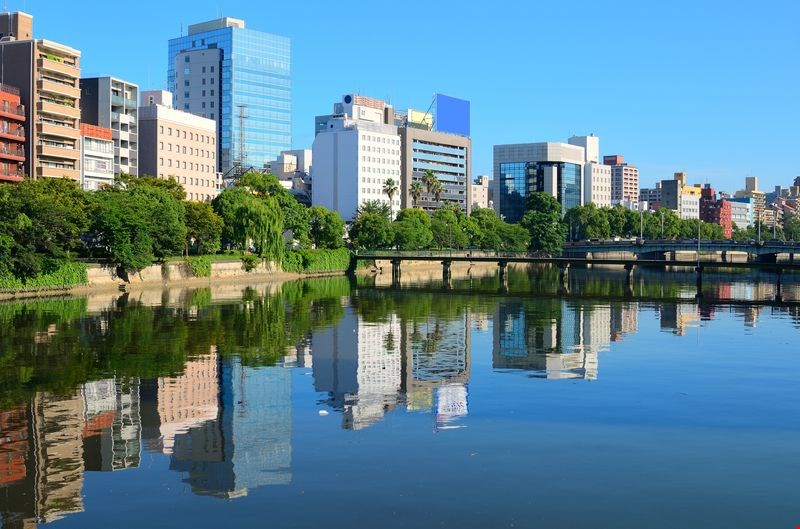
Hiroshima is the capital of Hiroshima Prefecture, and the largest city in the Chūgoku region of western Honshu, the largest island of Japan. It is best known as the first city in history to be targeted by a nuclear weapon when the United States Army Air Forces (USAAF) dropped an atomic bomb on it at 8:15 A.M. on August 6, 1945, near the end of World War II.
Seoul (Incheon) (South Korea)
Incheon is a coastal city in South Korea, located near Seoul, and serves as a major gateway to the country thanks to its world-class international airport. Although close to the capital, Incheon maintains its own distinct identity, featuring modern infrastructure, the international business hub of Songdo, and historical areas like Chinatown and its busy port. It blends technology, urban innovation, and cultural diversity, acting as a key bridge between the West and the Korean metropolis.
Kochi, Japan
Kochi is a city on the island of Shikoku in Japan and the capital of Kochi Prefecture. It is best known for Kochi Castle, one of the few original Japanese castles still standing, as well as for Hirome Market, one of the country’s largest open-air markets. The area is famous for its local cuisine, especially katsuo no tataki (lightly seared bonito), and every August the city hosts the colorful Yosakoi Festival.
Kagoshima, Japan
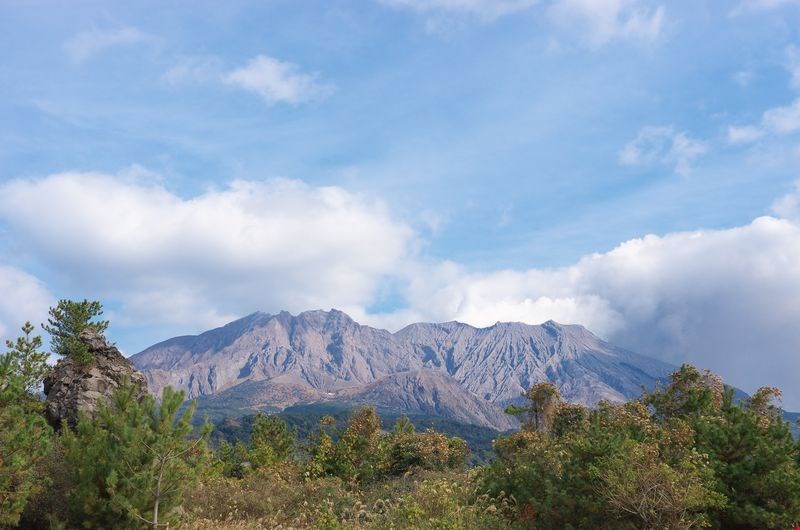
Kagoshima is the capital city of Kagoshima Prefecture at the southwestern tip of the island of Kyushu in Japan, and the largest city in the prefecture by some margin.Kagoshima is approximately 40 minutes from Kagoshima Airport, and the city features large shopping districts and malls, is served by trams, and has many restaurants featuring Satsuma Province regional cuisine.
Nagoya, Japan
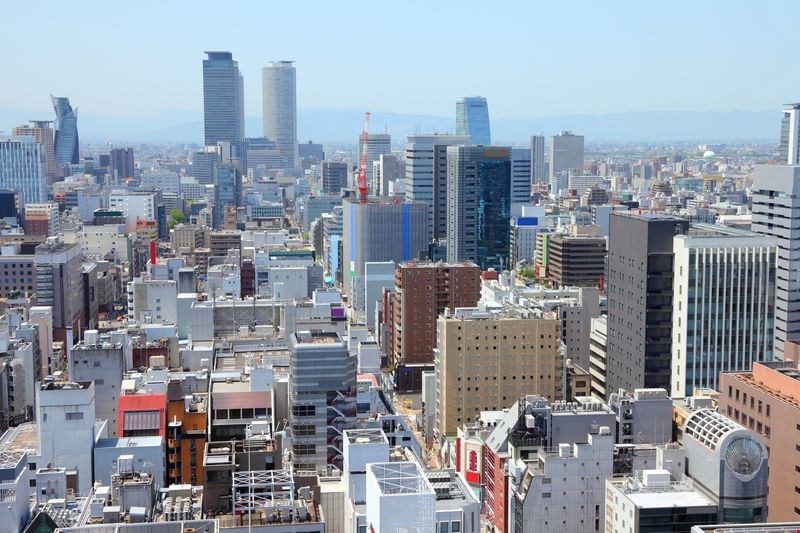
Nagoya is the largest city in the Chūbu region of Japan. It is the third-largest incorporated city and the fourth most populous urban area in Japan. Nagoya lies north of Ise Bay on the Nōbi Plain. Nagoya's two most famous sightseeing spots are Atsuta Shrine and Nagoya Castle. Atsuta Shrine is known as the second-most venerable shrine in Japan. The Nagoya City Science and Art Museums, located in Shirakawa Park, not far from Fushimi Subway Station.
Nagasaki, Japan
The Japanese city of Nagasaki is built on a long narrow bay which forms a natural harbor on the Kyushu island. After 1571 the town grew rapidly and turned into a trade center and important port. Gradually, developed in a large base of Japanese Navy. Nagasaki is best known for the atomic bomb attack during the Second World War.
Osaka, Japan
Osaka is one of the major cities of Japan and is located in Pearl River Gionto, the main island of Honshu. Osaka is currently the headquarters of many multinational companies and its market is one of the most important in the world. Osaka is known for Bunraku (traditional puppet theaters), Kabuki theaters and more recently for manzai (improvised comedy). The city is also rich in museums.
Tokyo (Yokohama)
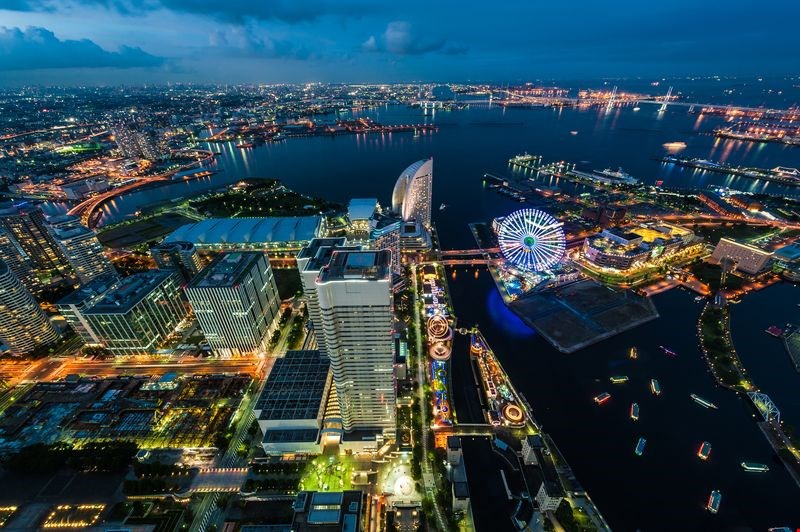
Tokyo with its main cruise port in nearby Yokohama is a vast metropolis where cutting-edge technology, neon lights and skyscrapers coexist with temples, tradition and meticulously organized daily life. Yokohama, just to the south, serves as the maritime gateway and is known for its waterfront skyline, international feel and large Chinatown. Together they offer the quintessential urban blend of modern Japan.