Malaga, Spain
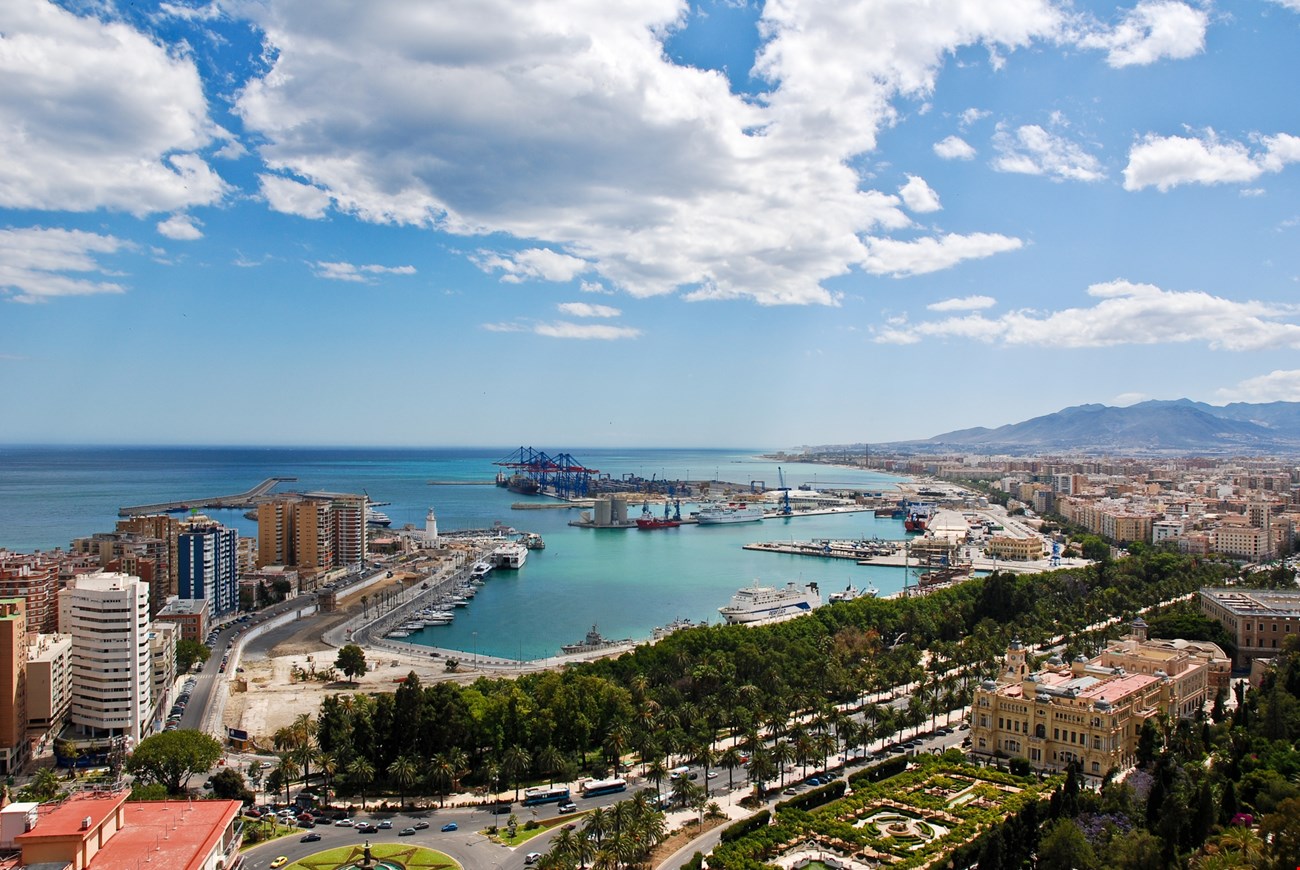
The picturesque and colorful Malaga is located along the southern coast of Spain in the foothills of the Montes de Malaga Park. Renowned for its production of raisins, Malaga is also Picasso's birthplace and the site hosting one of the oldest ports in the Mediterranean.
Alicante, Spain
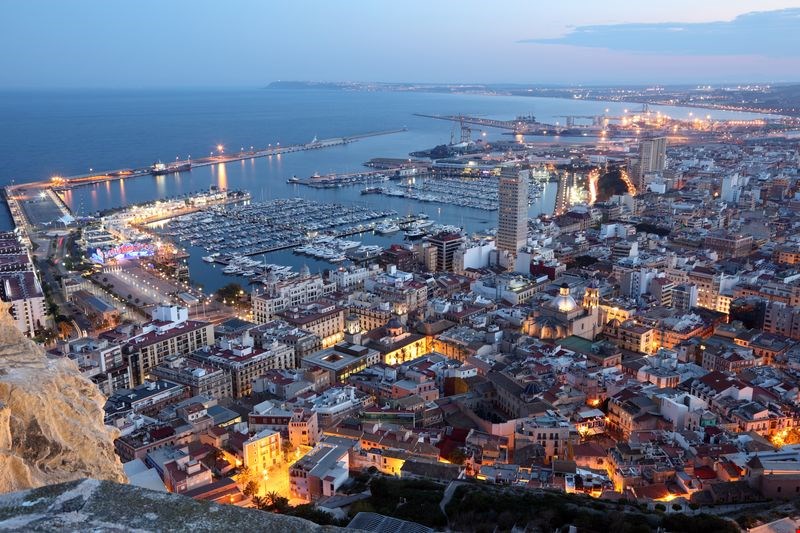
Alicante is one of the largest cities of the Costa Blanca. Among the most notable features of the city are the Castle of Santa Bárbara, which sits high above the city, the port of Alicante, the Basilica of Santa María, the Museum of Contemporary Art of Alicante and the Archaeological Museum of Alicante, with artfacts from the long history of the city's past. The visitor can also relax on the pristine sand of La Playa de San Juan or do shopping to Esplananta de Espana
Barcelona, Spain
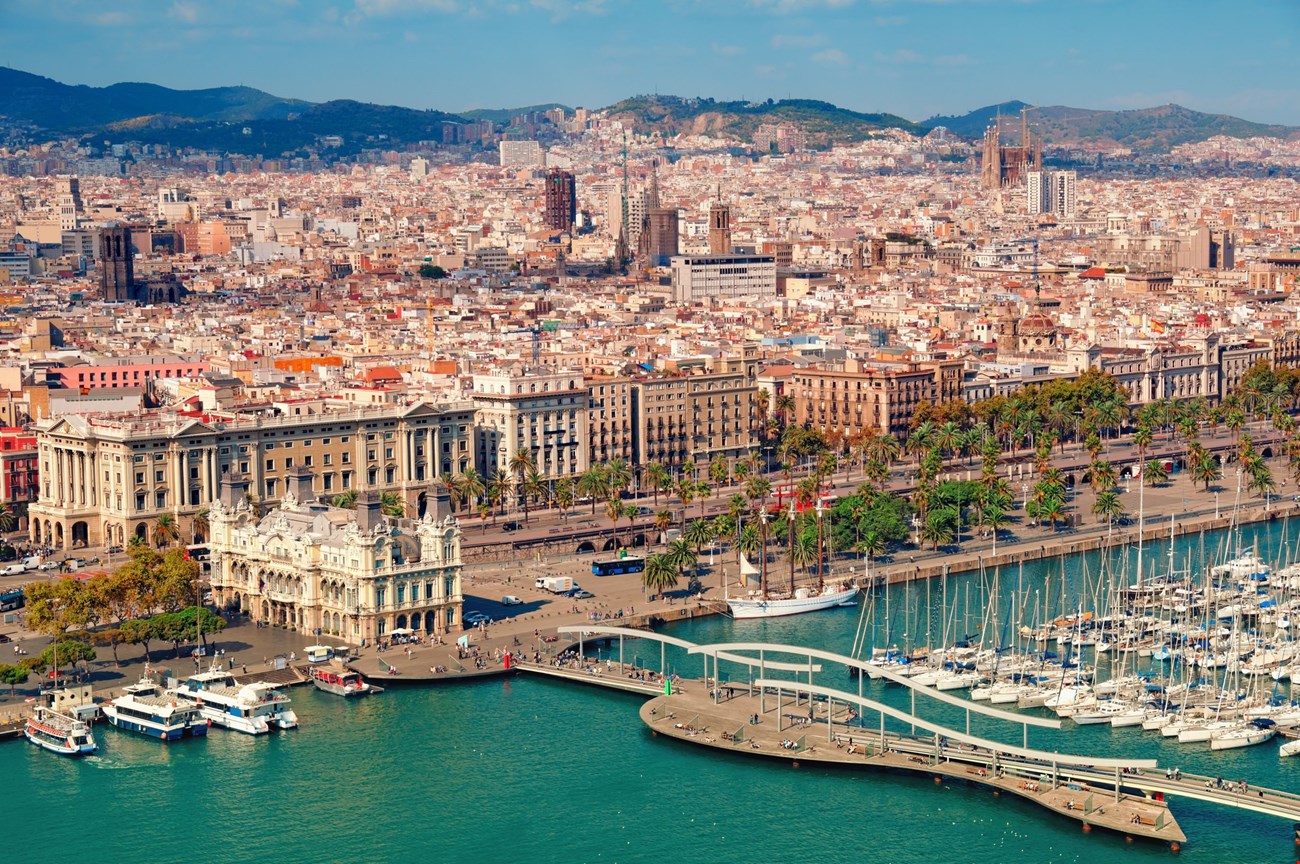
Famous for its unique atmosphere and cultural interest, Barcelona is one of the most vivid cities in Europe. Stroll along Las Ramblas, explore the cobbled streets of the Gothic section or visit the unfinished masterpiece of Gaudí, the Sagrada Familia. Alternatively, go on a bike tour through the old town and along the beach. Go for a walk in the park Guell Gaudi, a truly amazing oasis of plants, trees and buildings. Do not miss the Picasso Gallery, with more than 2000 works of the artist.
Cartagena, Spain
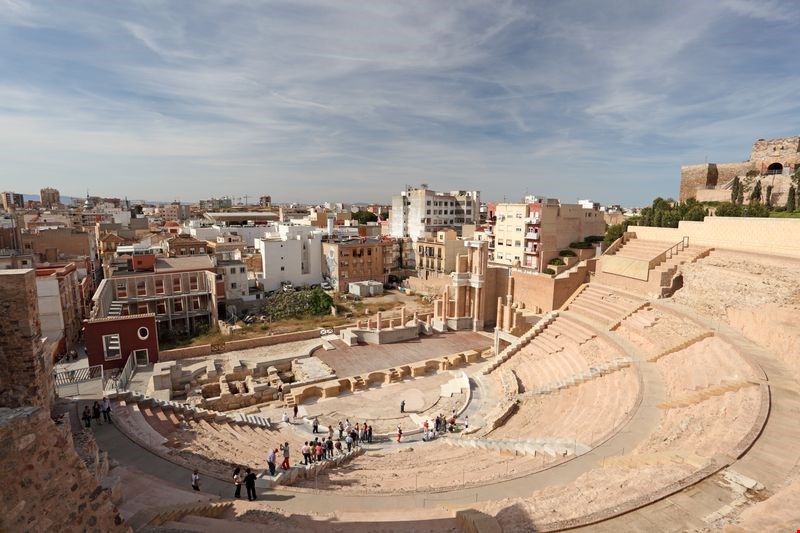
Cartagena is a Spanish city and a major naval station located in the Region of Murcia, by the Mediterranean coast, south-eastern Spain. It is still an important naval seaport, the main military haven of Spain, and is home to a large naval shipyard.Cartagena is the main Seaport of the Murcia region. It has 214,000 inhabitants, ranking second in the Region. Cartagena concentrates an artistic legacy that summarizes almost three millennia of Spanish History. The confluence of civilizations as well as its strategic harbour, together the rise of the local mining industry is manifested by a unique artistic heritage, with a number of landmarks such as the Roman Theatre, the second largest of the Iberian Peninsula
Dubrovnik, Croatia
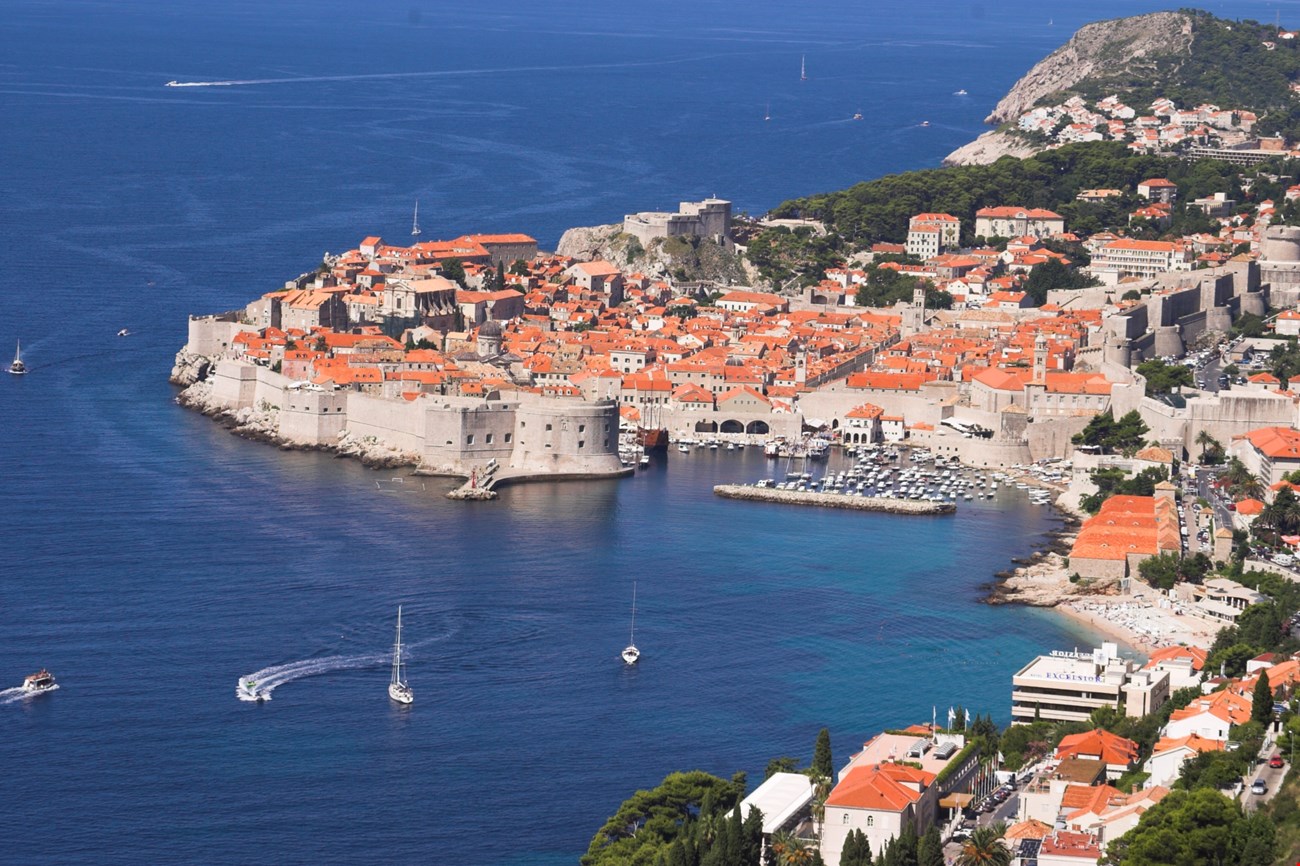
Dubrovnik, often called “the Pearl of the Adriatic,” is a stunning coastal city known for its well-preserved medieval walls, narrow stone streets, and impressive architecture. Its Old Town, a UNESCO World Heritage Site, captivates visitors with its castles, churches, and palaces. The city offers a perfect blend of history, culture, and natural beauty, attracting travelers from around the world. It also gained modern fame as a key filming location for Game of Thrones, adding to its international appeal.
Saint-Tropez, France
Saint-Tropez, on the French Riviera, is one of the world’s most famous luxury destinations. It captivates visitors with its picturesque harbor filled with superyachts, the narrow alleys of its old town, and endless beaches with a cosmopolitan atmosphere. Once a humble fishing village, it transformed into a hotspot for the international elite, attracting artists, celebrities, and travelers seeking glamour and sophistication. Today, it blends Provençal tradition with elegance, art, and gastronomy, making Saint-Tropez a true symbol of luxury and Mediterranean chic.
Fusina (Venice), Italy
Fusina is a town located in the mainland of Venice, Italy. Fusina is also home to several industrial and commercial activities, including a large petroleum refinery, which is one of the biggest in Italy. The town has a population of around 2,500 people and offers a range of services, such as shops, restaurants, and hotels, to visitors and residents alike.
Gibraltar, United Kingdom
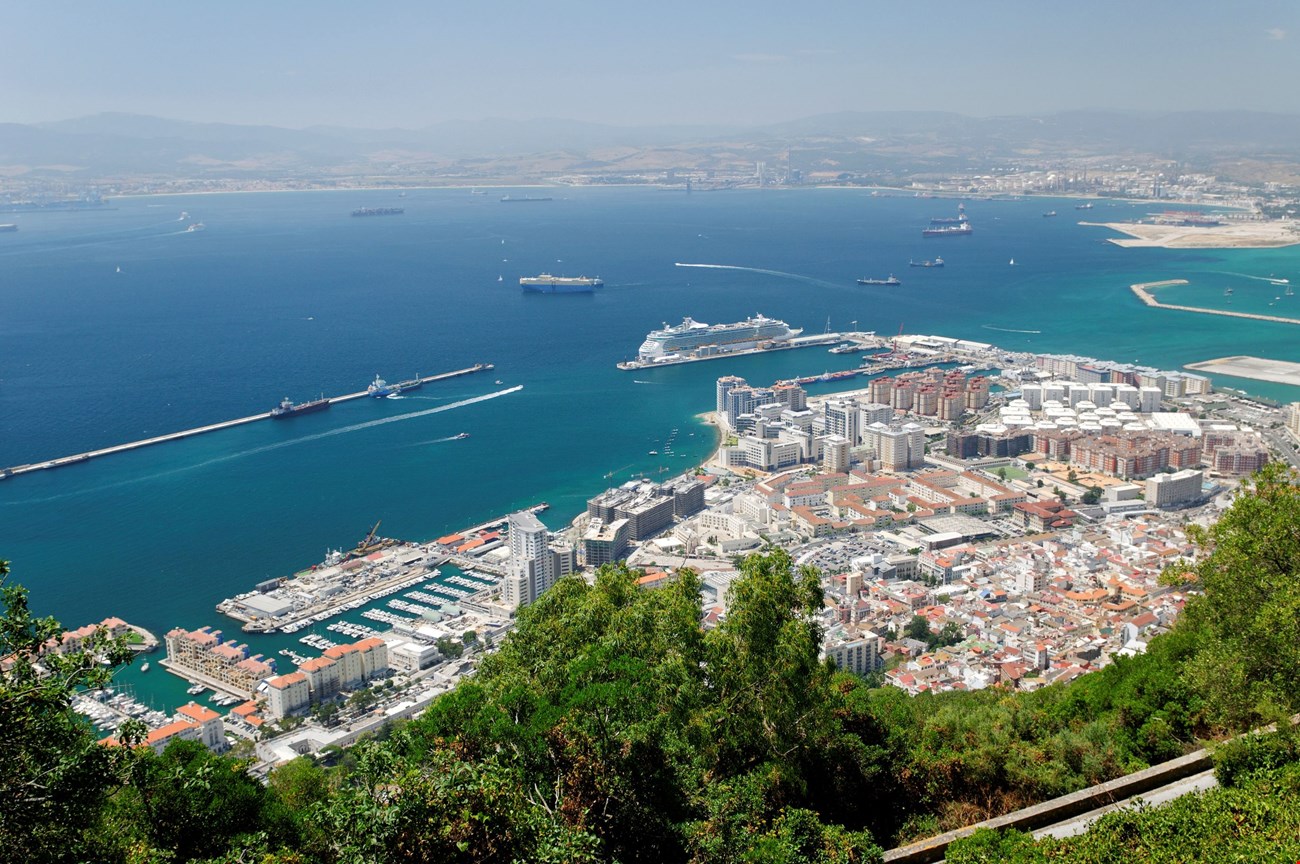
Gibraltar is a small British territory at the southern tip of the Iberian Peninsula, known for its iconic Rock and strategic position on the Mediterranean. It blends British and Mediterranean cultures, with narrow streets, English pubs, and views of Morocco on clear days. It’s a destination of unique geopolitical and historical importance, ideal for travelers seeking an unusual mix of nature, history, and cultural fusion.
Hvar
Hvar, is a Croatian island in the Adriatic Sea, nearby the coast of Dalmatia. The island, unusual for the area, has a large fertile plain and running waters. Landscape is characterized by hillsides covered with pine forests and vineyards, by olive groves, orchards and fields of lavender in rural areas.
Ibiza, Spain
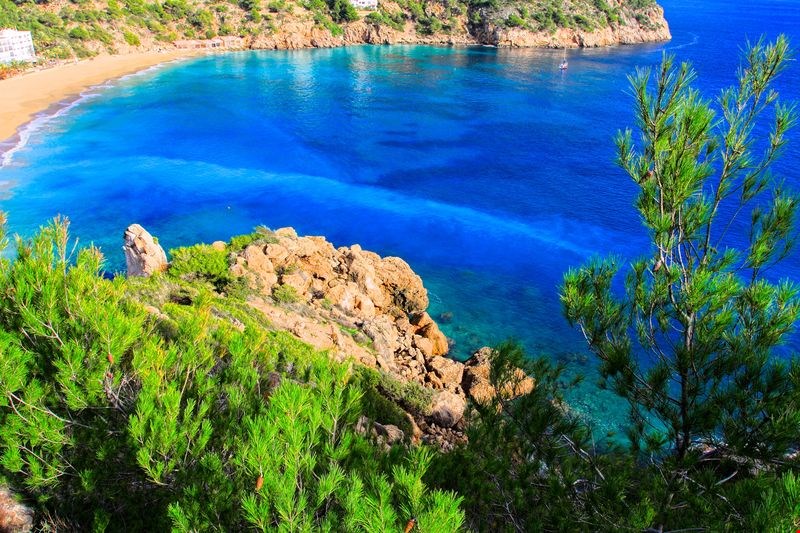
Ibiza is an island in Spain, part of the Balearic Islands in the Mediterranean Sea. It is world-famous for its vibrant nightlife, renowned clubs, and beaches with crystal-clear waters. Beyond its cosmopolitan side, Ibiza also has a historical aspect, featuring charming old villages, traditional architecture, and significant archaeological sites. The island attracts millions of tourists every year who want to combine entertainment, relaxation, and culture. Its natural beauty, including hidden beaches and picturesque landscapes, makes it one of the most popular destinations in Europe.
Giardini Naxos, Sicily
Giardini Naxos is located in Sicily on the Ionian coast, very close to Taormina. It is famous as the site of the first Greek settlement in Sicily, dating back to the 8th century BC. Today, it is one of the most popular tourist destinations in the area, known for its beaches, the archaeological park with remains of ancient Naxos, and its lively atmosphere with restaurants, cafés, and seaside hotels. Its location also offers stunning views of Mount Etna and easy access to both cultural and natural attractions in eastern Sicily.
Gallipoli (Lecce), Italy
It is located by the Ionian Sea, on the west coast of the Salentina Peninsula. The town of Gallipoli is divided into two parts, the modern and the old city. The new town includes all the newest buildings including a skyscraper. The old town is located on a limestone island, linked to the mainland by a bridge built in the 16th century. According to a legend, the city was founded in ancient times by Idomeneus of Crete. Historically, what is known is that Gallipoli was a city of the Greater Greece.
Monte Carlo, Monaco
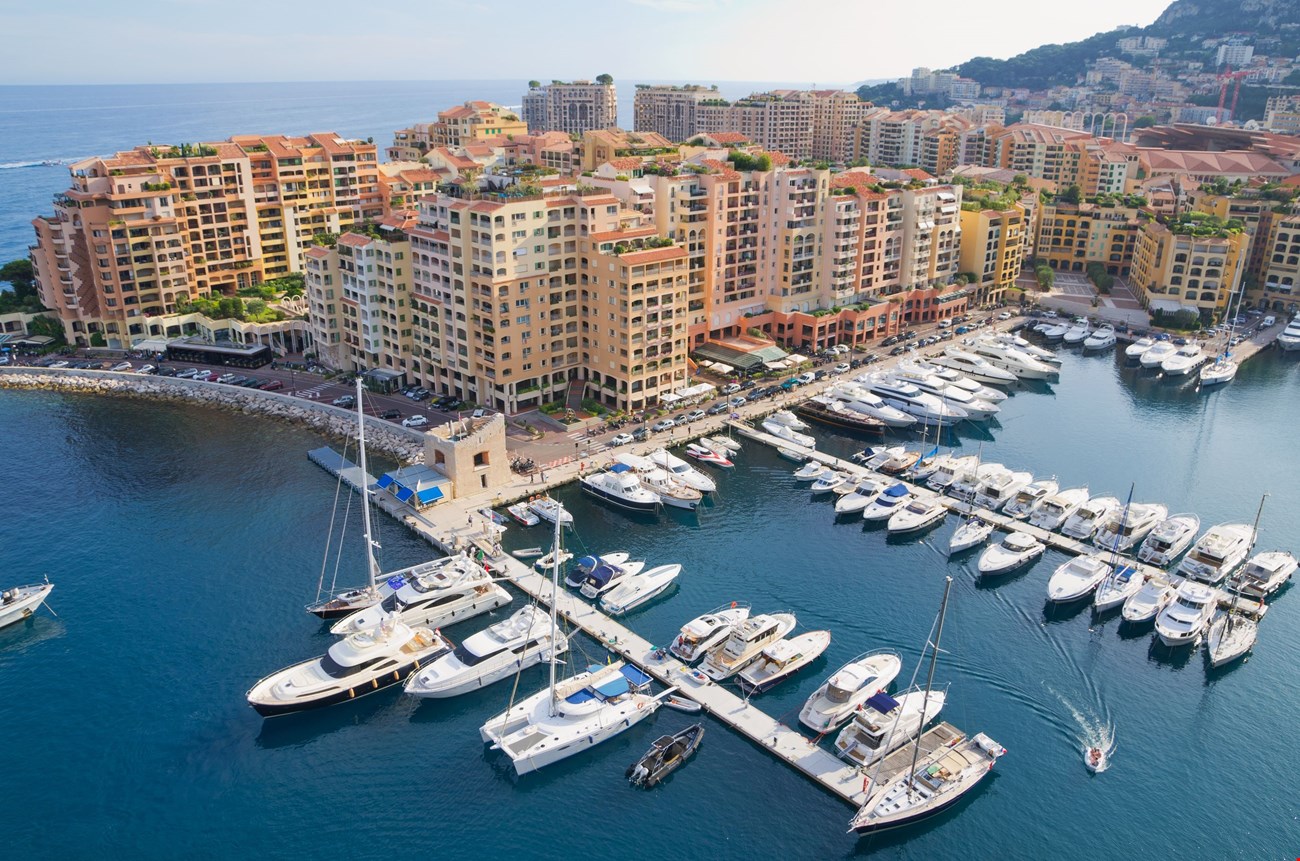
Monte Carlo, in the princedom of Monaco, has an ideal geographical position, with mild winters and sunny, warm summers.It's an ideal destination and the visitor will not get board even for a minute.One can see the Palace of Renie, the Oceanographic Museum, the Royal Chapel, where are the graves of Grimaldi, the famous Casino and the Opera.
Valletta
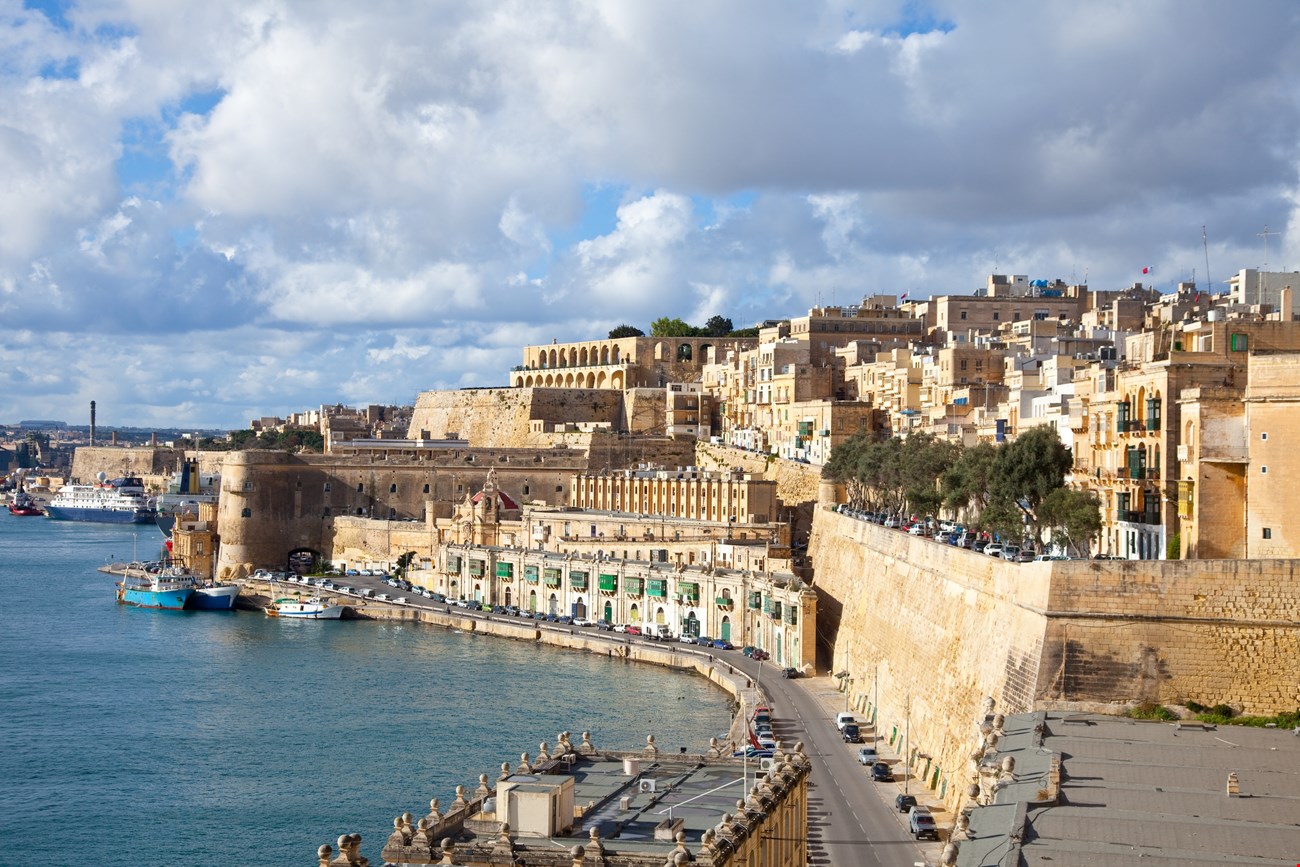
Valletta, Malta, is a historic coastal city renowned for its impressive Baroque architecture and rich cultural heritage. It serves as Malta’s capital and offers a wealth of museums, churches, and fortifications. Valletta’s charming streets, vibrant waterfront, and numerous cafes and restaurants make it a vibrant hub for tourists. Its strategic location and well-preserved history attract visitors interested in culture, history, and Mediterranean scenery.
Palma De Mallorca, Spain
Palma de Mallorca is not just the capital of the Balearic Islands—it's a living canvas where history, architecture, the sea, and the Mediterranean way of life blend with natural elegance. The city unfolds around a magnificent natural harbor, with the striking Gothic cathedral of La Seu rising above it like a quiet reminder of Mallorca’s grand past. Behind the old city walls, narrow alleys wind through aristocratic palaces, charming inner courtyards, and lively little squares that pulse with everyday life.
Palma moves to a distinctly Mediterranean rhythm: mornings are bright and filled with the scent of fresh ensaïmada, afternoons are slow and savor-rich, with long lunches and wine, and evenings stretch into open-air conversations and social energy. The city’s modern identity expresses itself through art, design, gastronomy, and a spirit that effortlessly blends European culture with island ease. From peaceful strolls along the seaside promenade to the vibrant energy of a night out, Palma reveals itself gradually—refined yet authentic, cosmopolitan yet deeply rooted in its local character.
It’s not a city that tries to impress—it’s a city that, if given time, reveals its grace slowly. And that makes it linger in the memory not as a postcard image, but as a textured, resonant experience filled with sound, light, and feeling.
Zadar
Zadar is a coastal town and seaport of Croatia, located north of Split. The city has been inhabited since the 7th century BC. The old town is built on a peninsula, surrounded by a wall and is completely built up, with the typical architecture of medieval cities. The modern Zadar is a tourist city and major sights are the octagonal church of Agios Donatos (9th century) with its impressive bell tower, the Cathedral of St. Anastasia (9th-12th century) and the Roman market near Zeleni square.