Ajaccio (Corsica), France
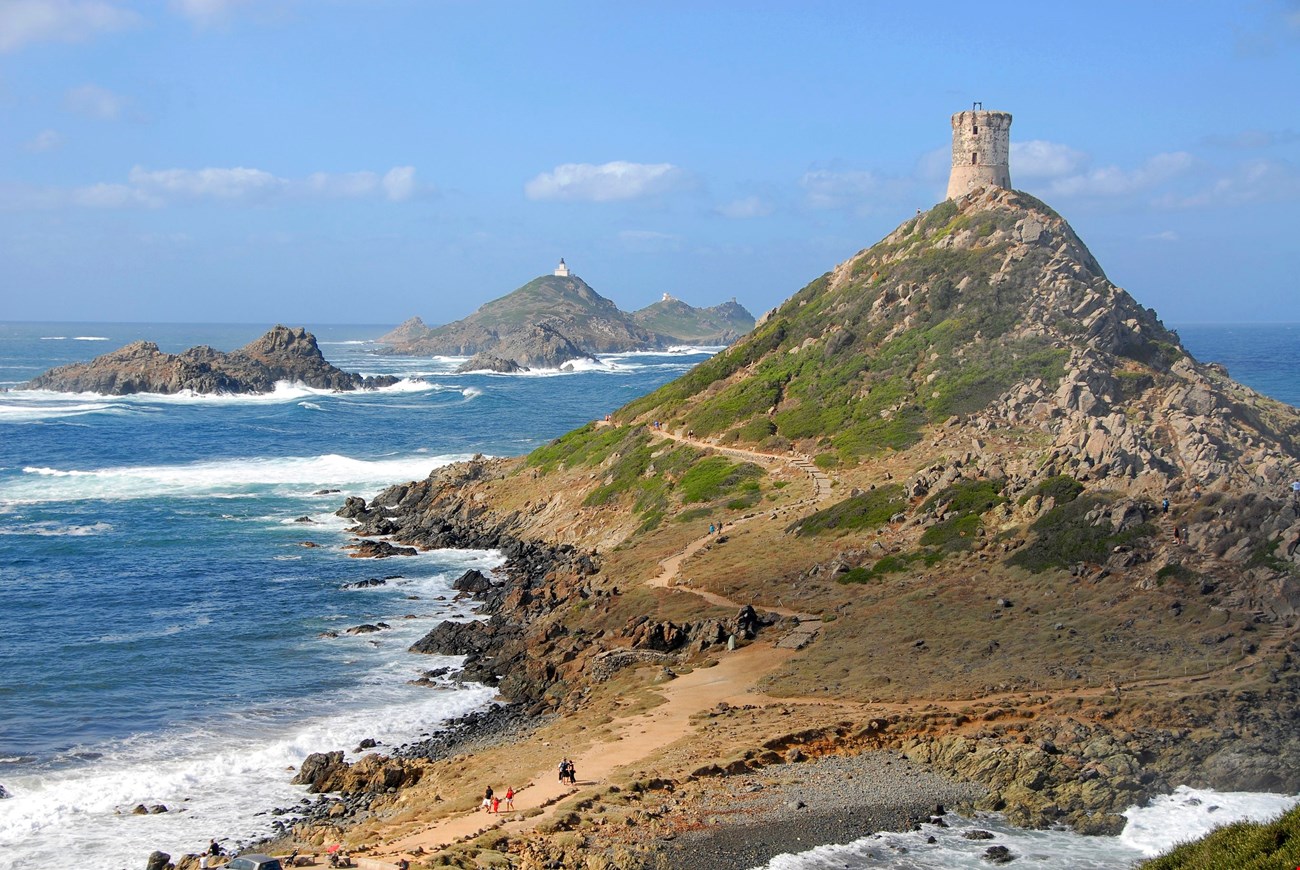
Ajaccio is known as the birthplace of Napoleon. The town has picturesque streets and numerous squares, such as the Foch Square, the most elegant square of all. Surrounded by palm trees, the main statue of Napoleon, on the top of a fountain, is overlooking the famous bay of Ajaccio
Elba (Portoferraio)
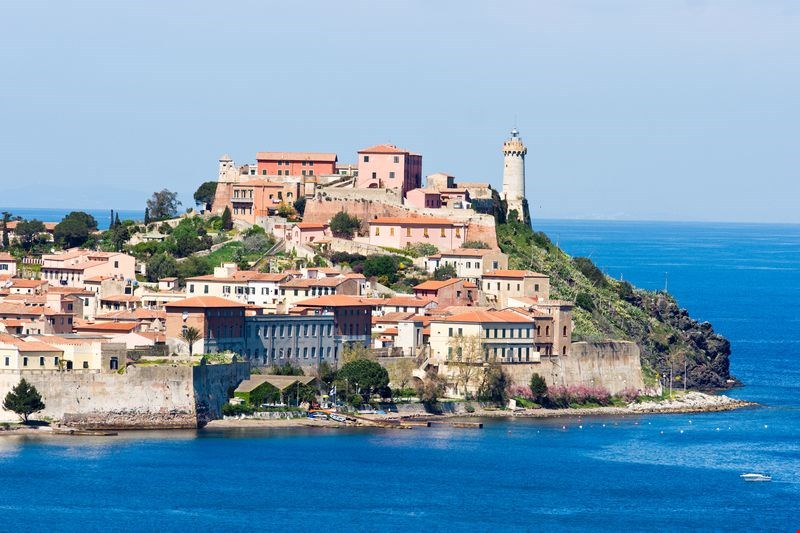
Elba is the third largest island in Italy after Sicily and Sardinia. Many hills and low mountains are the feature of the landscape. It is about 10 km away from the mainland of Italy. There is access by boat or by air. The island is known from antiquity for its rich iron deposits.In 1860 Elba was united with the Kingdom of Italy. More recently it has become known for its wine, and is also popular as a resort.
Naples, Italy
Naples is one of Italy’s most vibrant and historic cities, set on the bay that bears its name, with the imposing Mount Vesuvius as its backdrop. It is the country’s third-largest city and is renowned for its rich culture, its cuisine — pizza was born here — and its unique atmosphere that blends chaos, energy, and authenticity. The city boasts an impressive old quarter, listed as a UNESCO World Heritage Site, with narrow streets, churches, palaces, and underground passages that reveal layers of history from antiquity to the present. Naples’ port is also significant, serving as a gateway to the islands of the bay (Capri, Ischia, Procida) as well as a hub for Mediterranean cruises. With its strong character, Naples is a city of contrasts: from the intensity of daily life and bustling markets to art, music, and the sense of walking through a “living museum.”
Livorno (Tuscany)
Livorno is an important port city in Tuscany, on Italy’s western coast along the Mediterranean. It was founded and grew significantly during the Renaissance, when the Medici transformed it into a free port that attracted merchants and travelers from across the Mediterranean. The city is notable for its “Little Venice” district, with canals and bridges, as well as its squares, churches, and fortresses. Today, Livorno is known for its maritime activity, its cuisine featuring renowned seafood dishes such as cacciucco, and as a gateway to Tuscany, with easy access to cities like Florence and Pisa.
Monte Carlo, Monaco
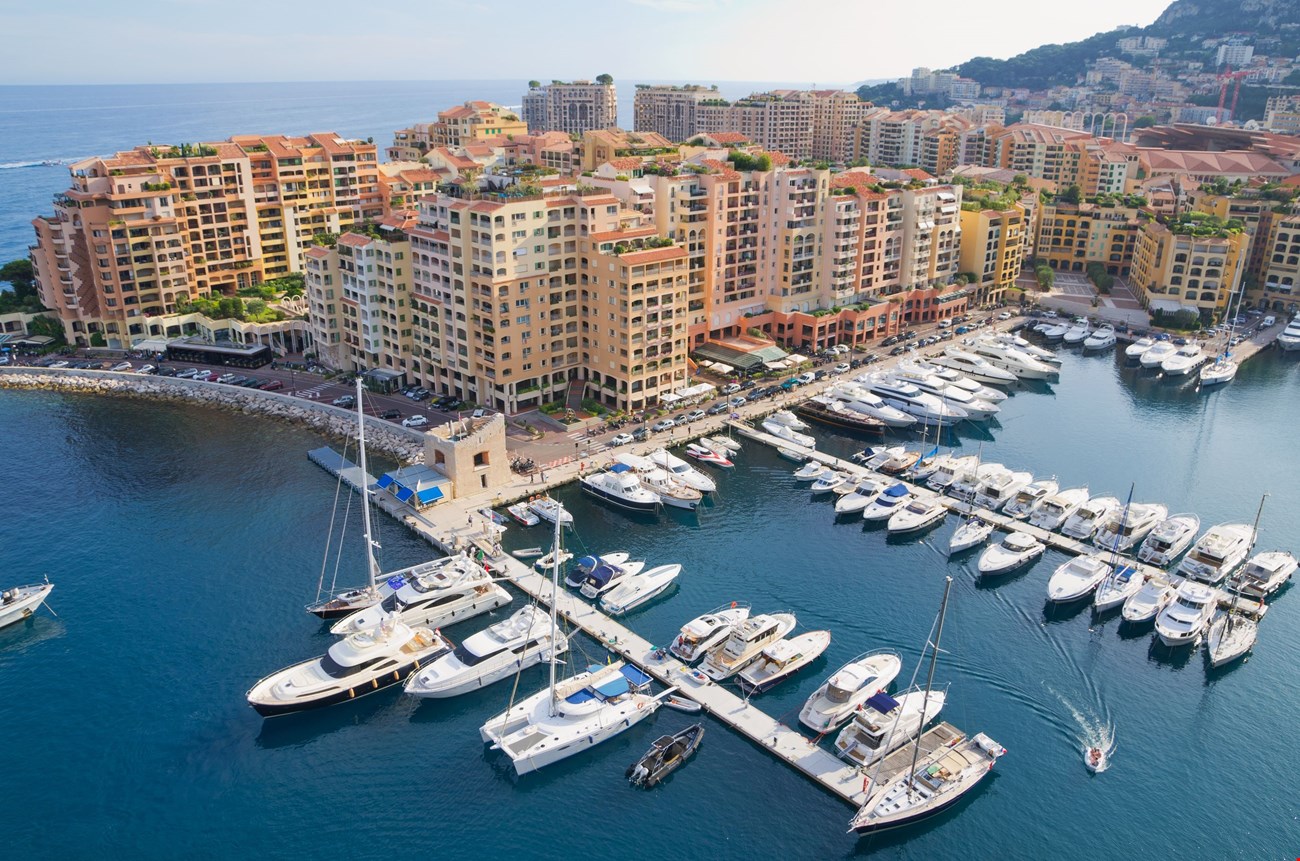
Monte Carlo, in the princedom of Monaco, has an ideal geographical position, with mild winters and sunny, warm summers.It's an ideal destination and the visitor will not get board even for a minute.One can see the Palace of Renie, the Oceanographic Museum, the Royal Chapel, where are the graves of Grimaldi, the famous Casino and the Opera.
Porto Santo Stefano, Italy
Famous for its fishing and even more famous for its seafood restaurants, Porto Santo Stefano is not that old. It began to take shape in the 15th century under the Republic of Siena, but was constantly under siege from pirates until the Spanish fortified it a century later. Today Porto Santo Stefano wears this young (in comparison to the rest of the Maremma) but colourful history on its sleeve. The countryside that surrounds the seaside town is dotted with fortresses and towers built by the Spanish to keep an eye on their many enemies. Beautifully conserved, these relics can be visited all year round.
Portofino
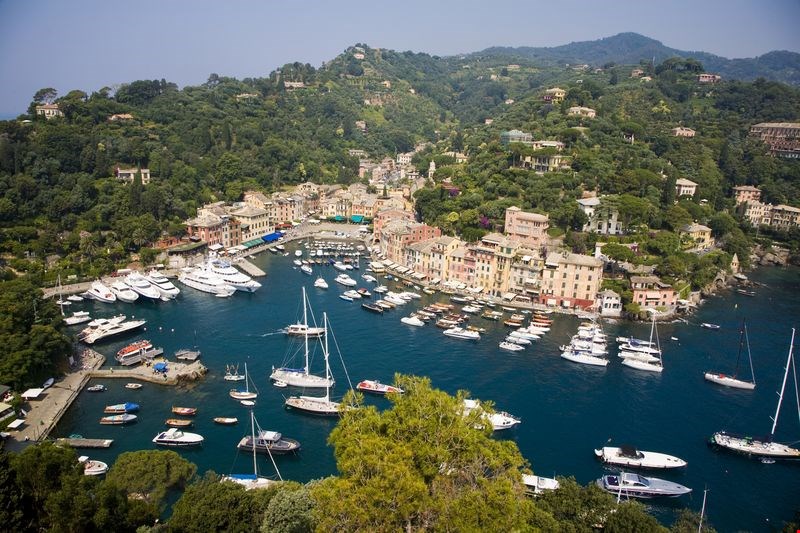
Portofino, a picturesque Italian village and tourist resort, is lying on the Italian Riviera. The town is crowded round its small harbour and there are many nearby beaches. Portofino is a charming destination, with luxury hotels, cafes, restautants, shops and many oportunities for sports and water activities
Civitavecchia/Rome, Italy
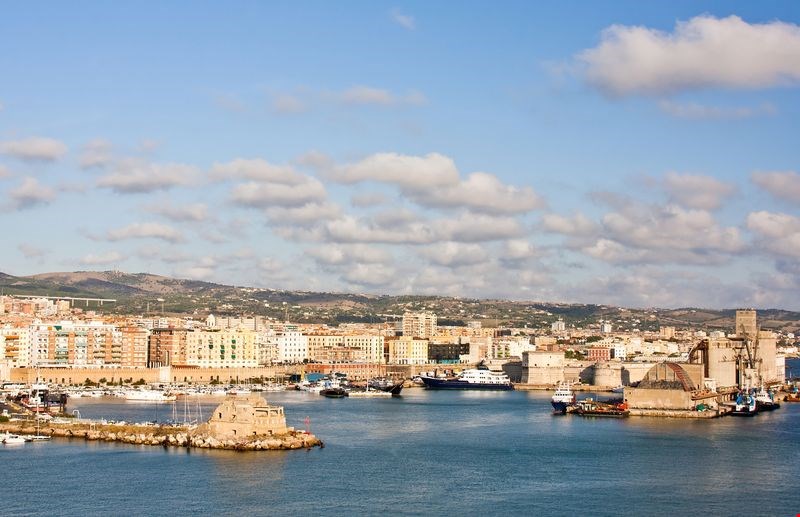
Civitavecchia is a town and comune of the province of Rome. A sea port which is located 80 kilometres west-north-west of Rome. The harbor is formed by two piers and a breakwater, on which is a lighthouse.
Provence (Toulon), France
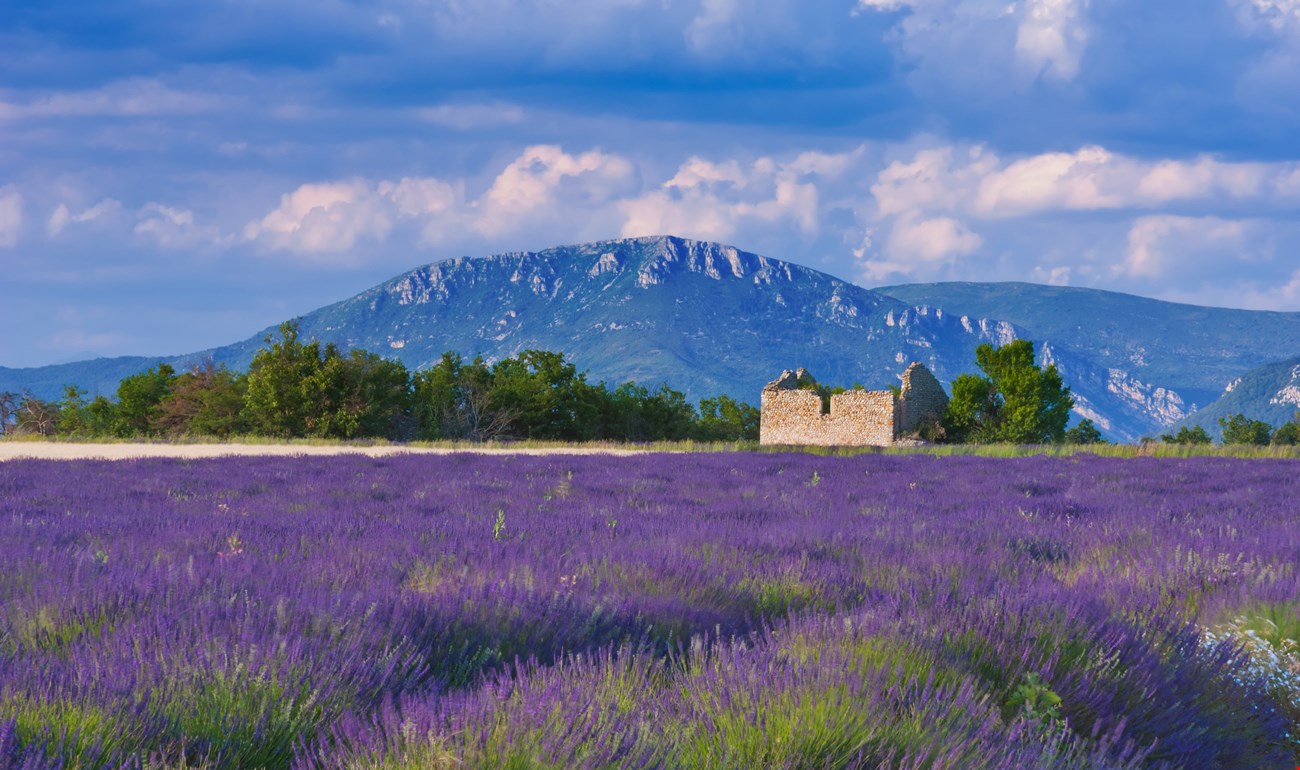
Some of the sightseeings of the city's historic center are one of the oldest cathedrals in France, dedicated to the Savior, the Town Hall Square with its famous clock, the Cours Mirabeau,a filled with flowers street and the numerous private mansions created to the city center between 13th and 16th centuries. Do not forget to enjoy your coffee in the bistro "de Garçon" the favorite haunt of Paul Cezanne and other Impressionists painters.The old port offers spectacular views of the bay jetty. There you will see the twin castles - outposts of St. John and St. Nicholas- as well as the Notre Dame de la Guard, housed in the city's highest point overlooking the Chateau d'If, where the Earl Montekristo was imprisoned, according to the Alexandre Dumas' novel.
Trapani (Sicily), Italy
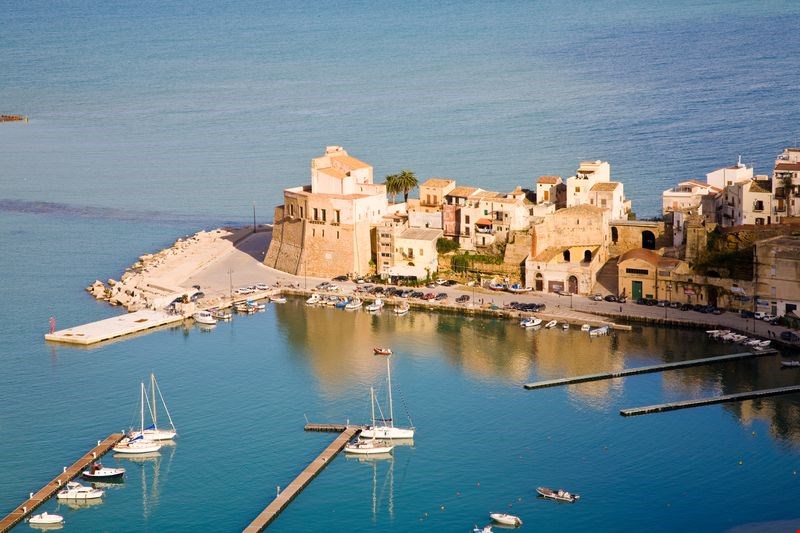
Trapani is a coastal city in western Sicily, built on a narrow strip of land that stretches into the Mediterranean. Historically, it was an important commercial and maritime center, known for tuna fishing and for salt production from its surrounding salt pans. The old town is distinguished by its Baroque buildings, churches, and narrow streets, while the city also serves as a starting point for excursions to the nearby Egadi Islands and the ancient site of Segesta. Trapani combines historical heritage, picturesque charm, and gastronomy, offering an authentic taste of Sicilian culture.