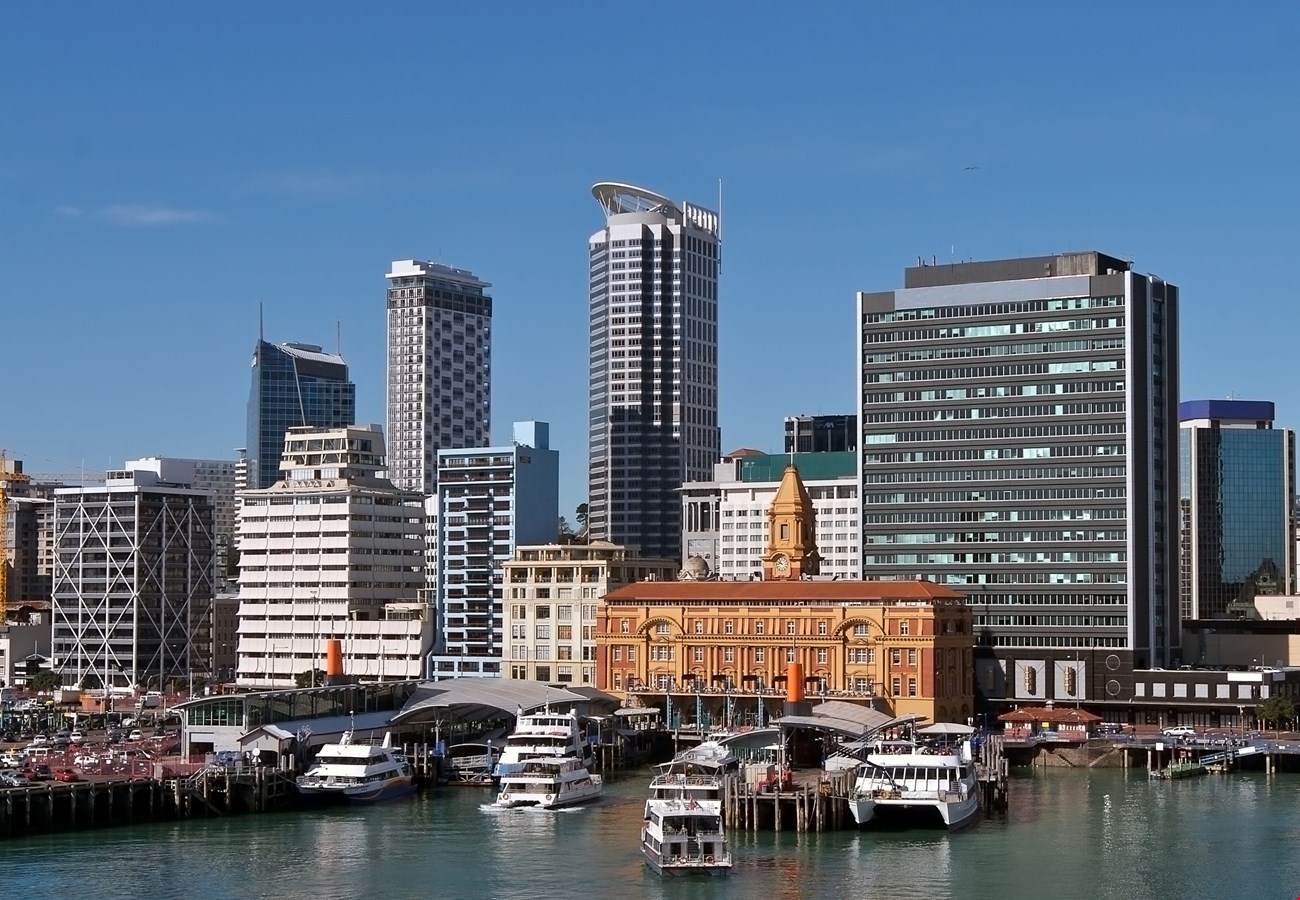
Auckland, New Zealand
Auckland is a cosmopolitan capital that combines outdoor activities and sophisticated culture. The famous Sky Tower offers a magnificent view of this unique city with the numerous museums and restaurants. Oakland has a tradition in sailing and one of the greatest events taking place here is the America's Cup.
Apia, Samoa
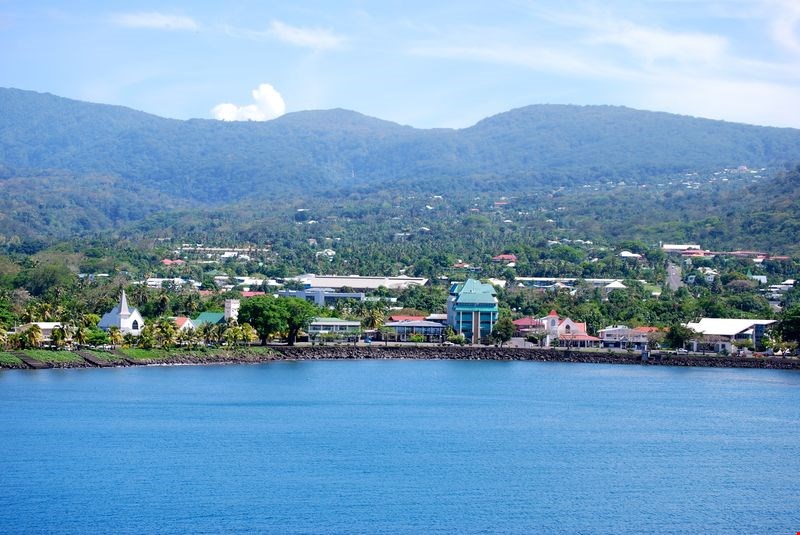
Apia is a natural harbour, on Opolu island, one of the Samoa islands. Apia is the largest city and the capital of Samoa. Exept the modern city, still exists the small village of Apia, with the local inhabitants that are living according to their traditional customs.
Bora Bora, French Polynesia
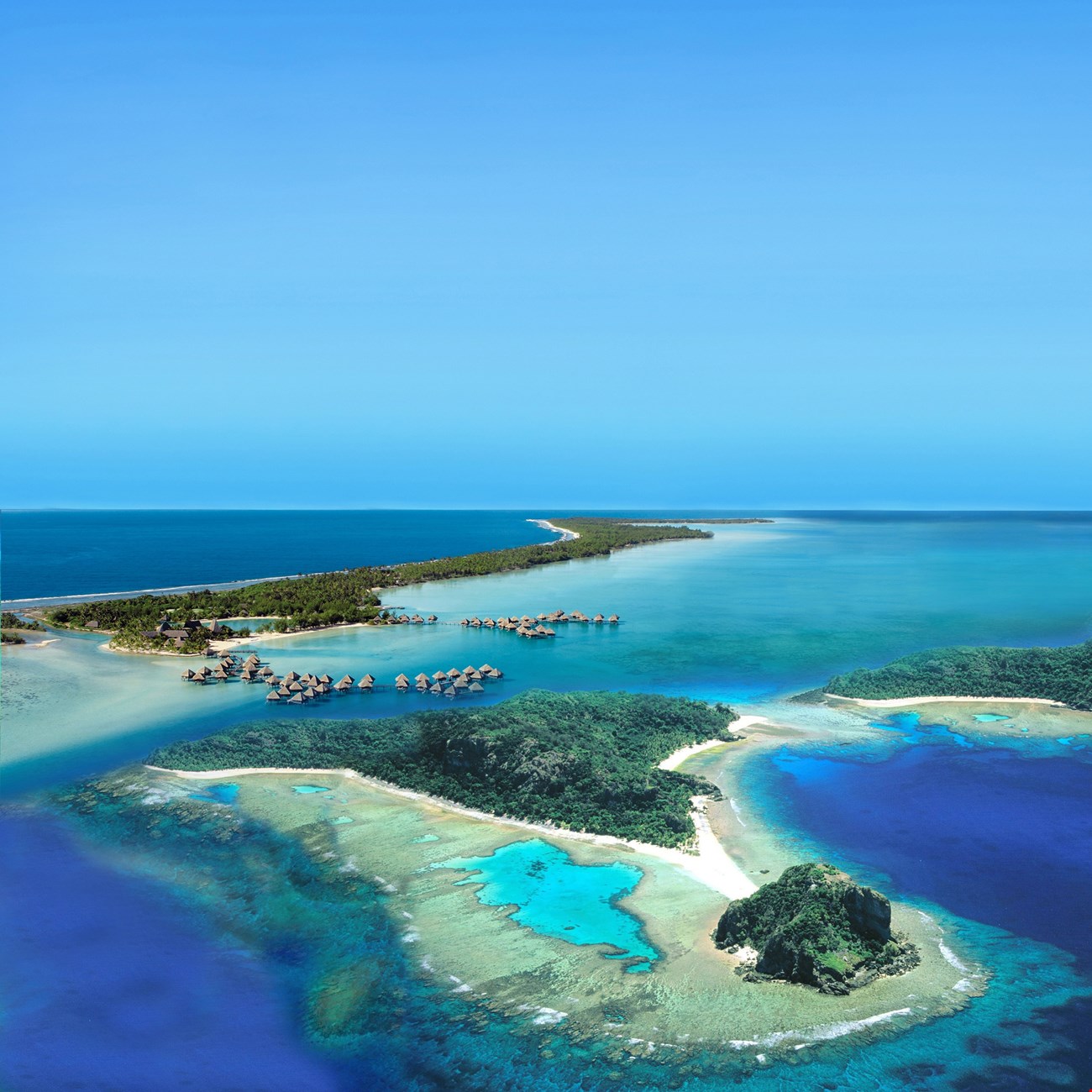
Bora Bora island is a piece of paradise, an ideal destination for romantic souls. The island is surrounded by a coral reef, which creates a lagoon with calm, shallow, light blue waters. Slopes with rich tropical vegetation, valleys full of flowers and blossoms of hibiscus and palm trees swaying in the wind. Discover the beauty of the island, such as Mount Otemanou, one of the two picks of an extinct volcano that looks like a castle and touches the clouds.
Lautoka, Fiji
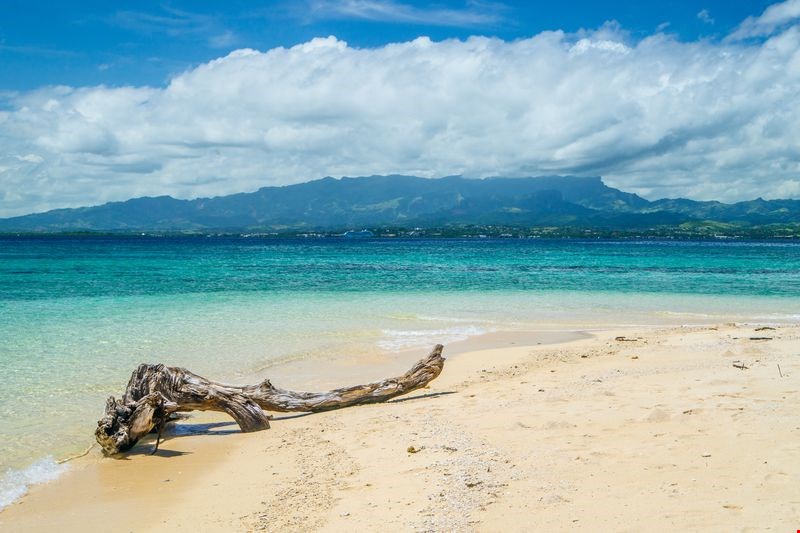
Lautoka is the second largest city in Fiji, located on the western side of Viti Levu island. It is known as the “Sugar City,” since its economy has long been based on sugarcane plantations and a large sugar mill. The city has an important port that serves both trade and cruise ships, while its wide streets, markets, and tropical atmosphere give it a distinctive character. Lautoka also serves as a gateway to the Mamanuca and Yasawa Islands, combining economic activity with tourism appeal.
Norfolk Island
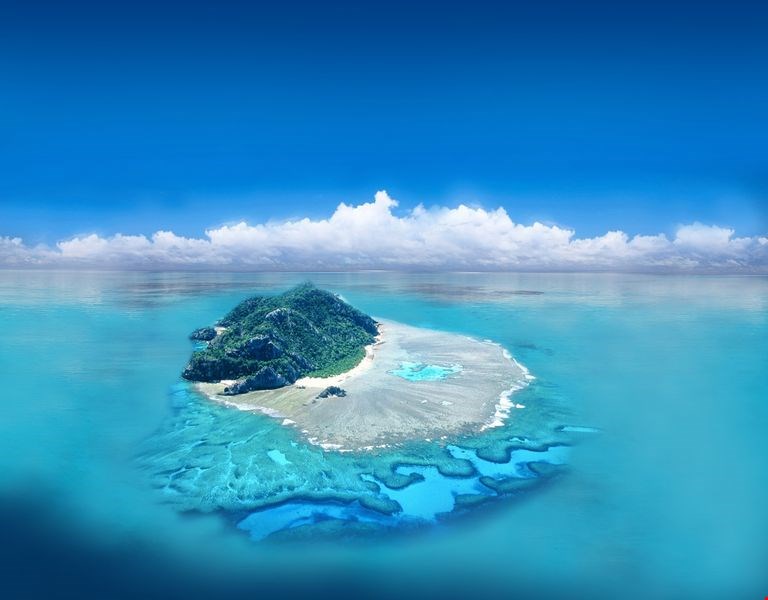
Norfolk Island is one of the most distinctive and underrated cruise destinations, offering an almost surreal atmosphere where time seems to stand still. Tucked away in the Pacific Ocean, between Australia, New Zealand, and New Caledonia, the island blends striking natural beauty, a profound historical legacy, and a pace of life that radiates calm and authenticity. The island’s iconic Norfolk pines rise tall above turquoise waters, while rolling green hills and secluded beaches create a setting ideal for quiet exploration and reflection. The historic site of Kingston—one of the oldest European settlements in the Southern Hemisphere and a UNESCO World Heritage site—reveals the dramatic story of colonization and penal history through well-preserved buildings and compelling museums. The locals, many of whom are descendants of the HMS Bounty mutineers, speak a unique Creole language and preserve a culture unlike any other. Norfolk Island doesn’t impress with grandeur or modern spectacle—it wins you over with its authenticity, tranquility, and the rare feeling that you’ve arrived somewhere truly special. It’s a place for travelers seeking meaning, history, and serenity far from the ordinary.
Pago Pago
The island of Pago Pago is the capital of American Samoa. The biggest industries of the island are tourism, entertainment, food and packaging plants tone. The island is a mix of suburban communities, a small town, canning factories and a harbor surrounded by cliffs that create a stunning backdrop.
Papeete (Tahiti French Polynesia)
Papeete is the capital of Tahiti and the administrative center of French Polynesia. Located on the island’s northern coast, it is the heart of the region’s political, economic, and cultural life. The city has a busy harbor serving both commercial vessels and cruise ships, and it is famous for its colorful markets where visitors can find local products, pearls, and tropical fruits. Papeete is also known for its vibrant nightlife, gastronomy, and cultural events, serving as the gateway for travelers exploring the islands of French Polynesia.
Savusavu
Savusavu is a small coastal town on Vanua Levu, the second largest island of Fiji. Known as a “hidden paradise,” it offers a relaxed pace of life, natural hot springs, and a beautiful bay that attracts sailors from around the world. The area is surrounded by lush hills, plantations, and coral reefs ideal for diving and snorkeling. Savusavu combines authentic Fijian hospitality with exotic nature, making it a favorite destination for those seeking relaxation and a connection with local traditions.
International Dateline
The International Date Line (IDL) is an imaginary line on the surface of the Earth, that runs from the north to the south pole and demarcates one calendar day from the next. It passes through the middle of the Pacific Ocean, roughly following the 180° longitude but it deviates to pass around some territories and island groups.
The International Date line is on the opposite side of the Earth to the Prime Meridian. The Prime Meridian helps to define Universal Time and is the meridian from which all other time zones are calculated. The International Date Line and the moving point of midnight separate the two calendar days that are current somewhere on Earth.