Bora Bora, French Polynesia
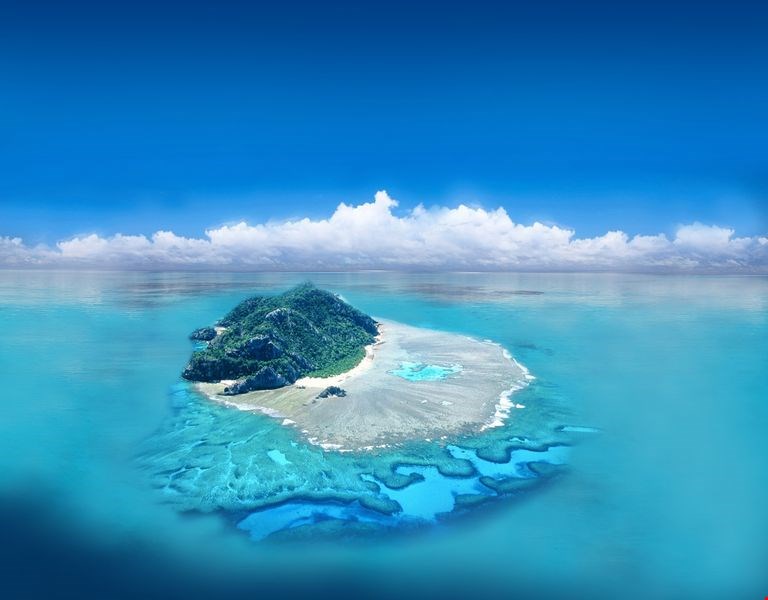
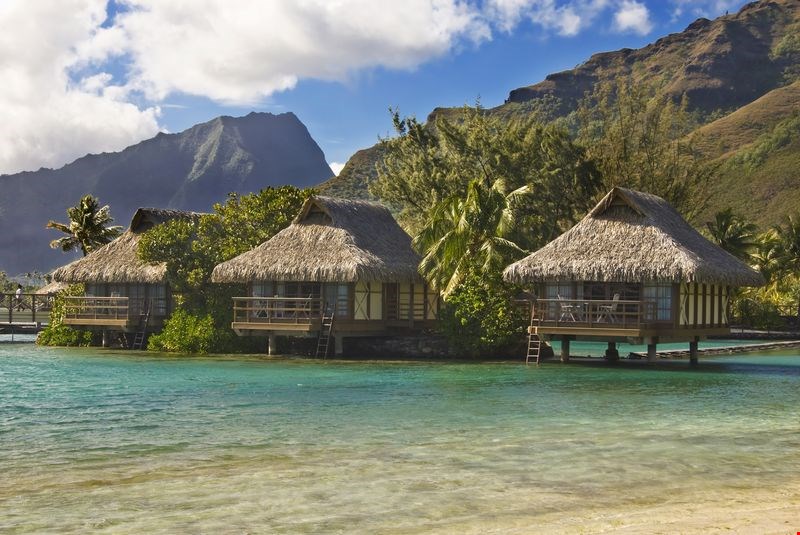
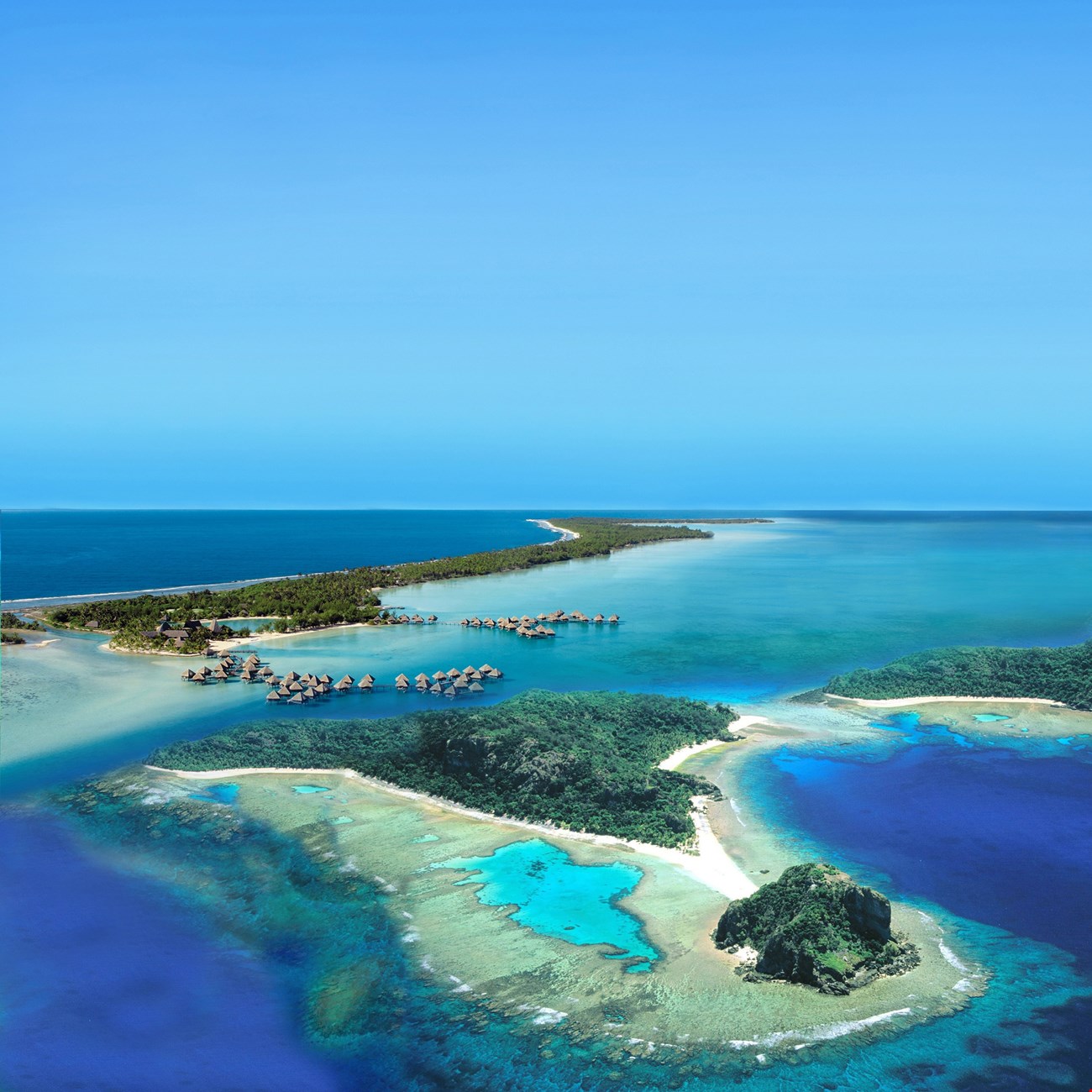
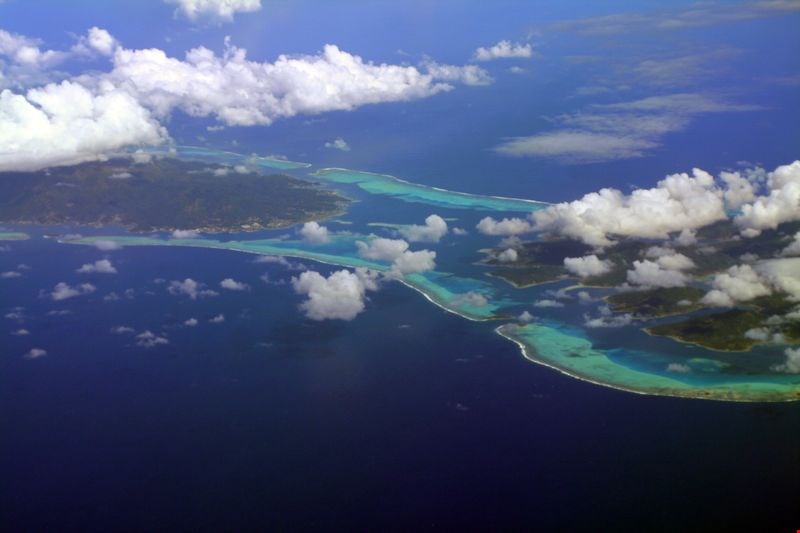
Bora Bora island is a piece of paradise, an ideal destination for romantic souls. The island is surrounded by a coral reef, which creates a lagoon with calm, shallow, light blue waters. Slopes with rich tropical vegetation, valleys full of flowers and blossoms of hibiscus and palm trees swaying in the wind. Discover the beauty of the island, such as Mount Otemanou, one of the two picks of an extinct volcano that looks like a castle and touches the clouds.
Fakarava, French Polynesia
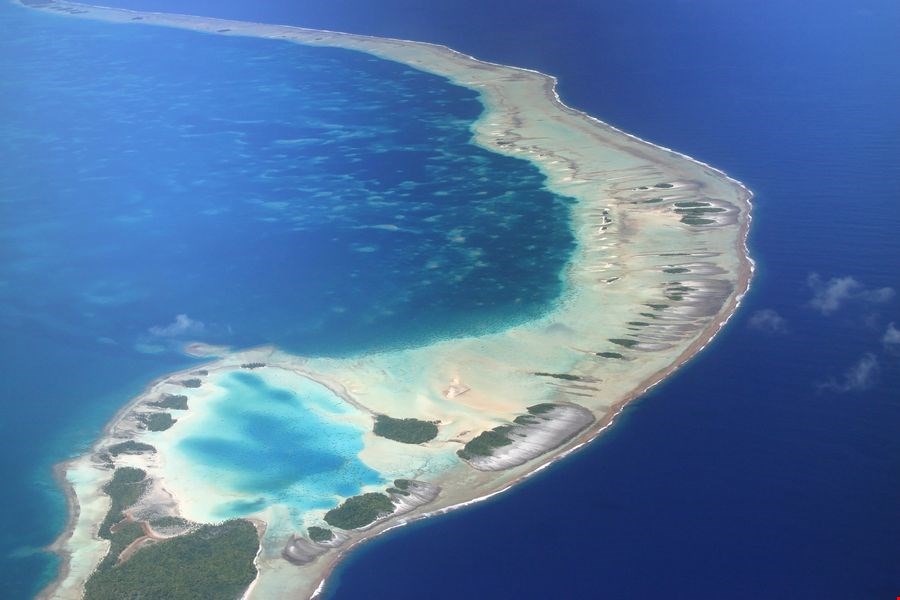
It’s easy not to notice the small, lovely islets that form a ring around Fakarava’s lagoon, the second largest atoll in French Polynesia. After all, it’s the lagoon that draws your attention, its beauty pulling at you like a magnet. There is a purity in the lagoon and the quiet elegance of the marine life that live out their lives in the shallows near shore. Life in the small villages, with their bougainvillea lined roads, bright coral churches, quaint homes, boulangerie, snacks, and restaurants seems to hover above the clear waters surrounding this UNESCO Biosphere Reserve.
Huahine, Societe Islands
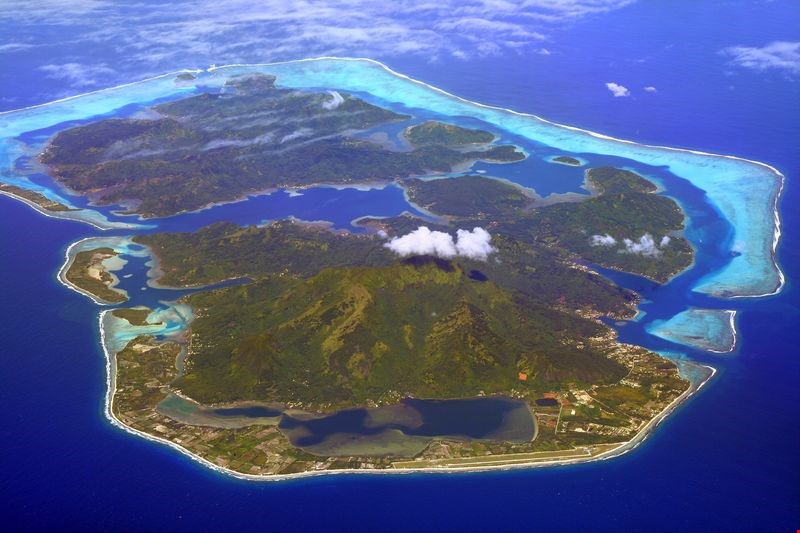
Huahine is an island located among the Society Islands, in French Polynesia, an overseas territory of France in the Pacific Ocean. One of the famous attractions on Huahine is a bridge that crosses over a stream with 3- to 6-foot (1.8 m) long eels. These eels are deemed sacred by the locals, by local mythology. While viewing these slithering creatures, tourists can buy a can of mackerel and feed the eels. The Fa'ahia archaeological site in the north of the island has revealed subfossil remains of several species of extinct birds exterminated by the earliest Polynesian colonists of the island. Local people mostly work in agriculture, fishing and tourism.
Moorea, French Polynesia
Moorea is an island in French Polynesia. From above, the shape of the island vaguely resembles a heart, with its two nearly symmetrical bays opening to the north side of the island: Cook's (or Paopao) Bay and ʻŌpūnohu Bay. Charles Darwin found inspiration for his theory regarding the formation of coral atolls when looking down upon Moʻorea while standing on a peak on Tahiti. He described it as a "picture in a frame", referring to the barrier reef encircling the island. The CNRS (National Centre for Scientific Research) maintain a research station at the end of ʻŌpūnohu Bay since about 1970.
Papeete (Tahiti French Polynesia)
Papeete is the capital of Tahiti and the administrative center of French Polynesia. Located on the island’s northern coast, it is the heart of the region’s political, economic, and cultural life. The city has a busy harbor serving both commercial vessels and cruise ships, and it is famous for its colorful markets where visitors can find local products, pearls, and tropical fruits. Papeete is also known for its vibrant nightlife, gastronomy, and cultural events, serving as the gateway for travelers exploring the islands of French Polynesia.
Raiatea
Raiatea island is the second largest island in the archipelago of French Polynesia. It's considered to be sacred and the cultural heart of all Polynesia. It was the first stop of the first Polynesians who arrived from Hawaii to settle in new places.
Rangiroa, Tuamotu Islands
Rangiroa is the largest atoll in French Polynesia and one of the largest in the world, part of the Tuamotu archipelago. It surrounds a vast turquoise lagoon that feels almost like an inland sea. The island is globally renowned for its exceptional diving, thanks to its rich marine biodiversity that includes sharks, dolphins, and vibrant coral reefs. Beyond tourism, locals are engaged in pearl farming and fishing. Rangiroa is one of Polynesia’s most iconic destinations, combining natural grandeur with authentic island life.