Hiroshima
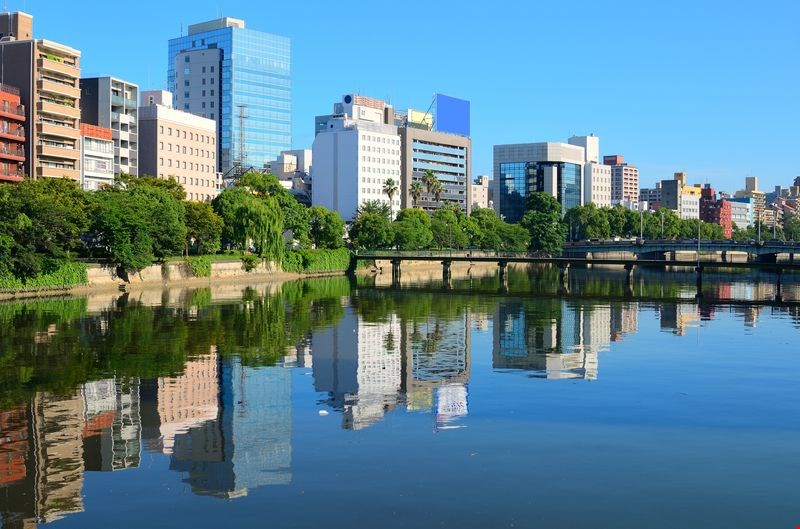
Hiroshima is the capital of Hiroshima Prefecture, and the largest city in the Chūgoku region of western Honshu, the largest island of Japan. It is best known as the first city in history to be targeted by a nuclear weapon when the United States Army Air Forces (USAAF) dropped an atomic bomb on it at 8:15 A.M. on August 6, 1945, near the end of World War II.
Hakodate, Japan
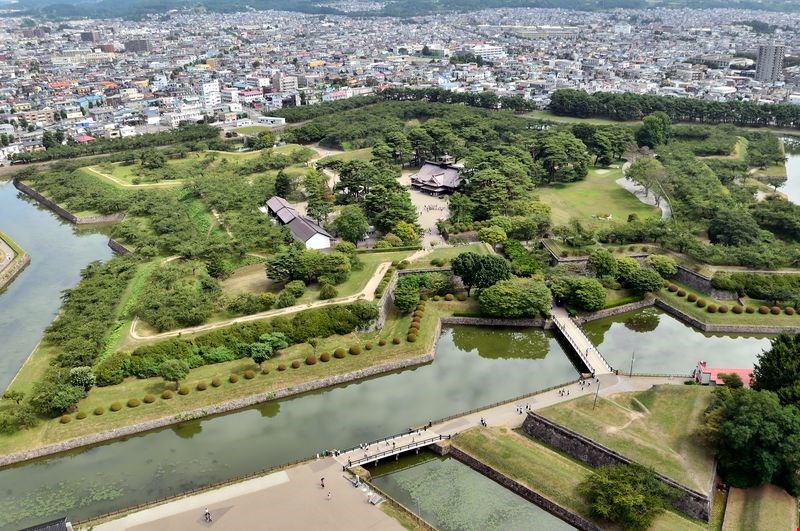
Located at the southernmost tip of Hokkaido,Hokodate is the third largest city on the northern island.It rejoices in breathtaking news, delicioius fresh seafood and a nagnificent natural environment.In 1859,Hakodate Port opened as one of the first international trading ports in Japan,along with Yokohama and Nagasaki.This direct influence of foreign cultures has worked on the city to create a unique cityscape that boasts a blend of foreign and Japanese culture to this day.
Homer, Alaska
Homer is a small town in southern Alaska, located at the end of the Kenai Peninsula overlooking Kachemak Bay. It is known as the “halibut fishing capital of the world,” thanks to its reputation for landing some of the largest catches. The town’s most distinctive feature is the Homer Spit, a narrow strip of land stretching far into the sea, lined with marinas, shops, restaurants, and small museums. Homer also serves as a gateway for ecotourism and wilderness exploration, offering opportunities to see eagles, marine mammals, and to venture into the remote parks of the region.
Kochi, Japan
Kochi is a city on the island of Shikoku in Japan and the capital of Kochi Prefecture. It is best known for Kochi Castle, one of the few original Japanese castles still standing, as well as for Hirome Market, one of the country’s largest open-air markets. The area is famous for its local cuisine, especially katsuo no tataki (lightly seared bonito), and every August the city hosts the colorful Yosakoi Festival.
Kanazawa, Japan
Kanazawa is a historic city on Japan’s Sea of Japan coast, known for its well-preserved traditional atmosphere and rich cultural heritage. It is home to Kenrokuen Garden, one of Japan’s three most beautiful landscape gardens, as well as former samurai and geisha districts. The city retains the charm of old Japan, with museums, teahouses, and striking architecture. Kanazawa offers a peaceful, artistic, and culturally immersive experience — far from the bustle of Japan’s major metropolises.
Muroran, Japan
Muroran is a coastal city in southern Hokkaido, Japan, known as the “city of steel” due to its industrial development. Despite its industrial character, it stands out for its natural beauty, with dramatic coastal landscapes, Cape Chikyu with its historic lighthouse, and the night view of the port and Hakucho Bridge. Today, the city combines industry, education, and tourism, and is also famous for its culinary specialty, Muroran curry ramen.
Miyako, Iwate, Japan
Miyako is a coastal city in Iwate Prefecture, northern Japan, located along the Pacific Ocean. It is renowned for its stunning natural scenery, especially Sanriku Fukkō National Park, with dramatic cliffs, caves, and clear waters. One of its most famous landmarks is the Jodogahama Rocks, spectacular rock formations that have become a symbol of the area. Miyako is also known for its fresh seafood and warm hospitality, offering visitors the charm of a small town combined with the wild beauty of Japan’s rugged coastline.
Tokyo
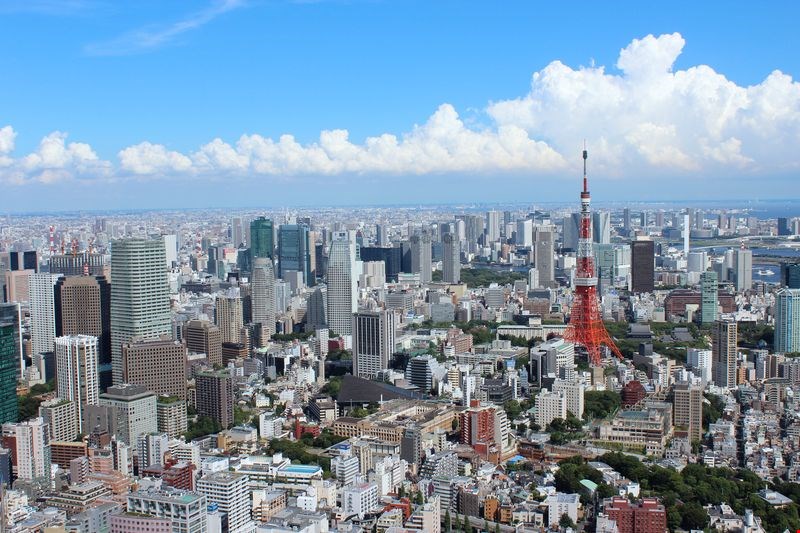
Tokyo is the capital of Japan. At over 12 million people in the official metropolitan area alone, Tokyo is the core of the most populated urban area in the world, Greater Tokyo (which has a population of 35 million people). This huge, wealthy and fascinating metropolis brings high-tech visions of the future side by side with glimpses of old Japan, and has something for everyone.
Osaka, Japan
Osaka is one of the major cities of Japan and is located in Pearl River Gionto, the main island of Honshu. Osaka is currently the headquarters of many multinational companies and its market is one of the most important in the world. Osaka is known for Bunraku (traditional puppet theaters), Kabuki theaters and more recently for manzai (improvised comedy). The city is also rich in museums.
Busan (South Korea)
Busan is the second largest city in South Korea, an international trade port, which is famous for its seafood, beautiful, pristine beaches, craggy islets that are promising wonderful experiences to the adventurous travellers.
Sendai, Japan
Sendai is the largest city in northeastern Japan and the capital of Miyagi Prefecture. Known as the “City of Trees,” it is distinguished by its tree-lined avenues and vibrant urban atmosphere. Sendai blends modern architecture with historical landmarks, such as the castle of feudal lord Date Masamune, and is also famous for its annual Tanabata Festival. The city offers culinary specialties like the renowned beef tongue (gyūtan) and serves as an ideal base for excursions to hot springs and the scenic Matsushima Bay.
Seward, Alaska, USA
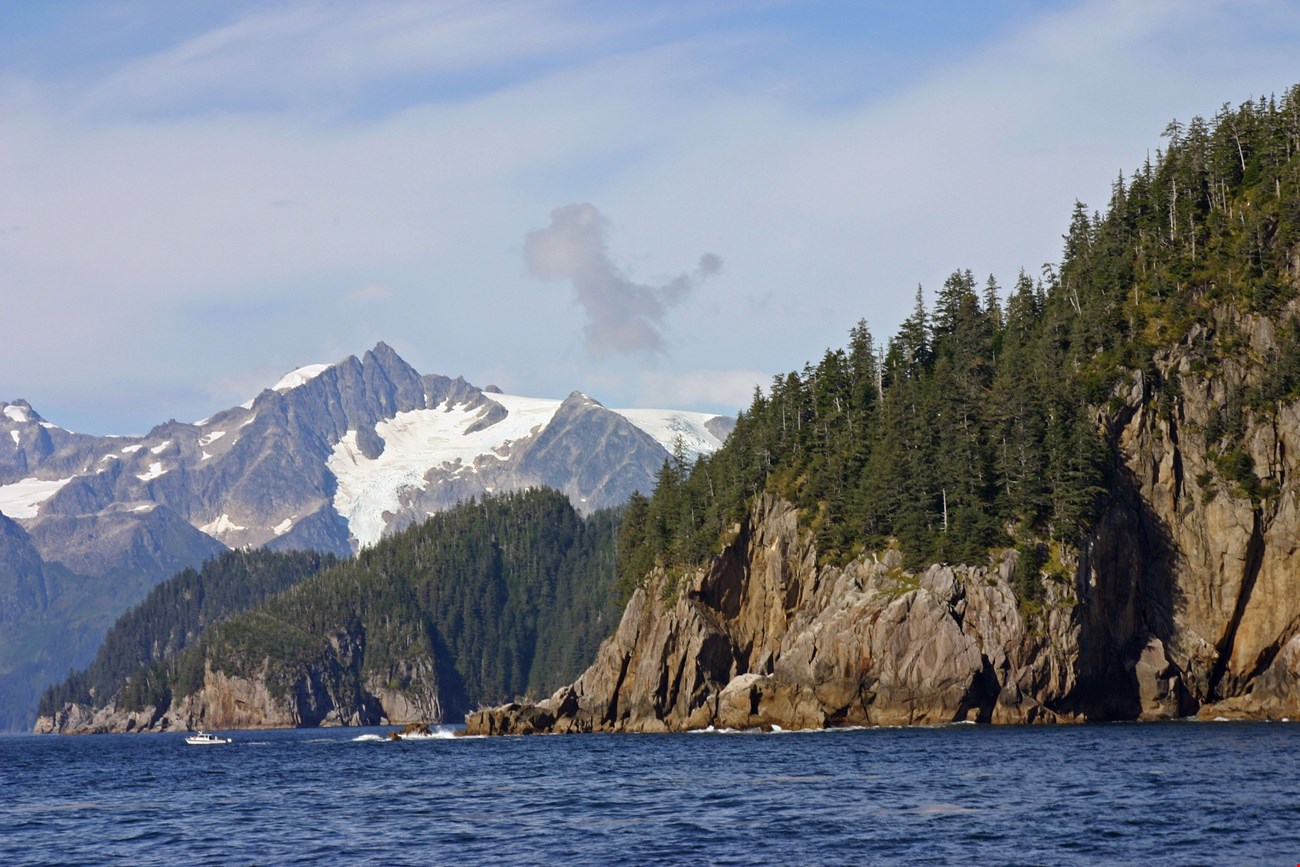
Seward is one of the oldest and most picturesque communities in Alaska, known as "gateway" for the National Park of Kenai Fjord. Visit the Alaska Sea Life Center and study walruses, sea otters, seals, fishes and other species of local marine life in their natural environment.
Kodiak Island, Alaska
Kodiak Island, located in Alaska, is the second-largest island in the United States. It is renowned for its wild natural landscapes, combining rugged coastlines, mountains, forests, and rich marine life. The island is world-famous for the Kodiak brown bear, one of the largest bear species on Earth. It is also an important hub for commercial fishing, particularly for salmon, cod, and crab. Kodiak City, the island’s main settlement and administrative center, preserves a tradition that blends Russian influences (from the era of Russian America) with American culture. Today, the island attracts visitors for its untamed wilderness, outdoor activities such as hiking, fishing, and kayaking, as well as its historical heritage.