Auckland, New Zealand
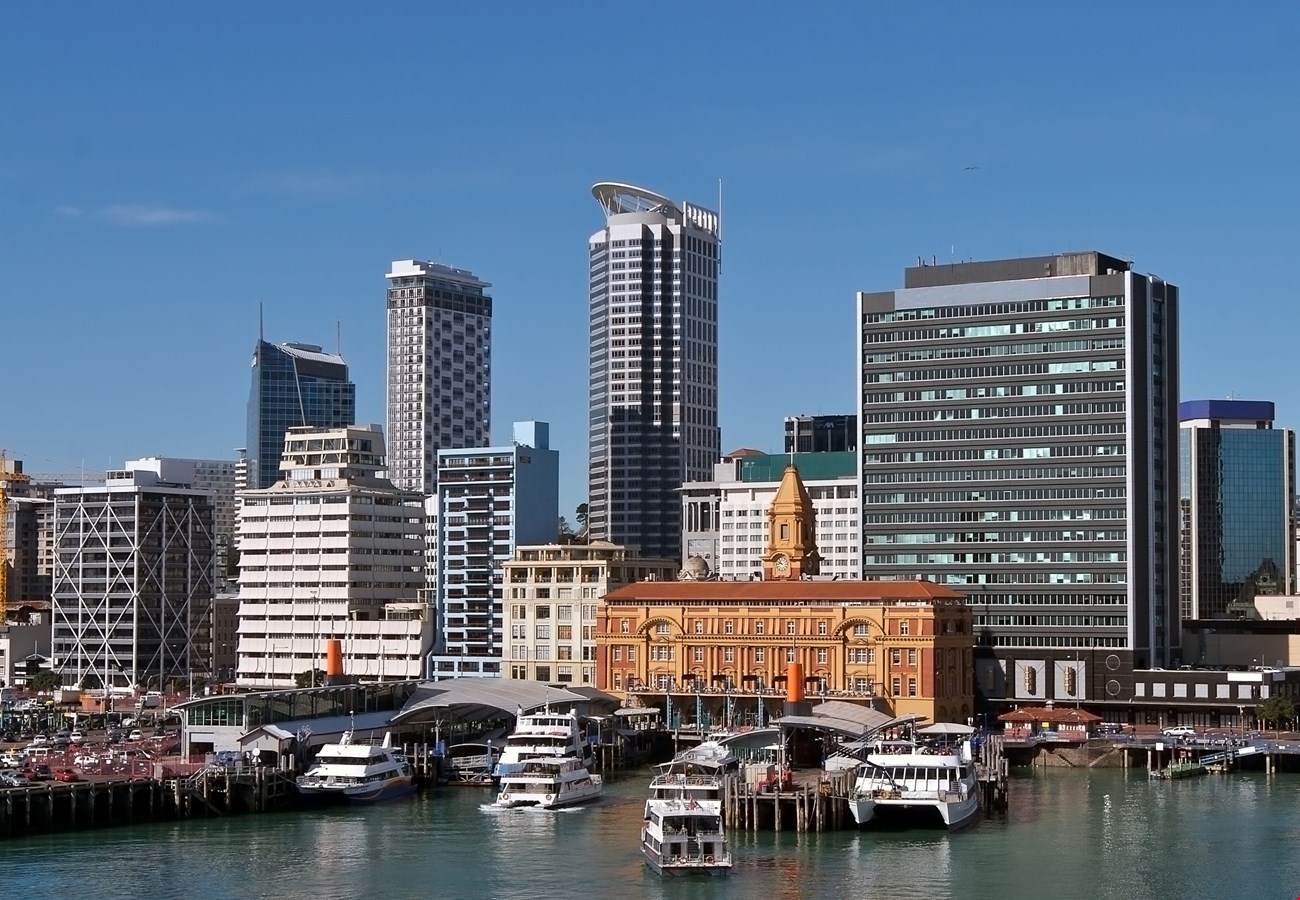
Auckland is a cosmopolitan capital that combines outdoor activities and sophisticated culture. The famous Sky Tower offers a magnificent view of this unique city with the numerous museums and restaurants. Oakland has a tradition in sailing and one of the greatest events taking place here is the America's Cup.
Apia, Samoa
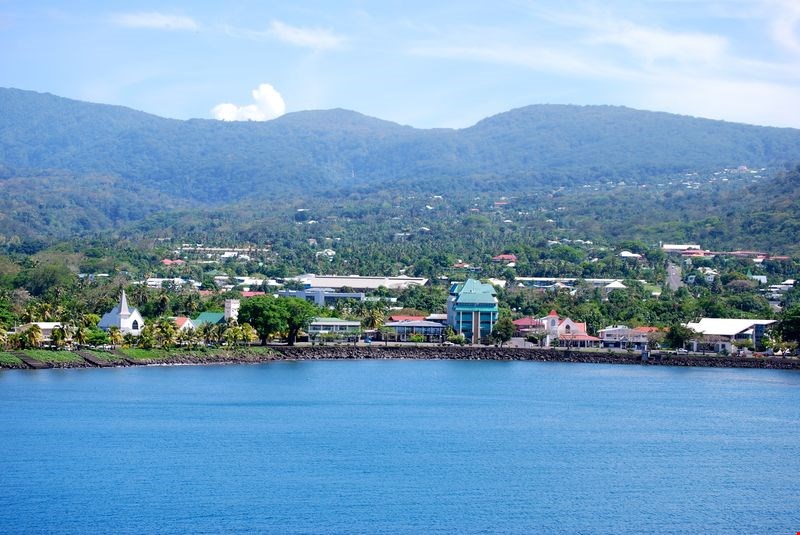
Apia is a natural harbour, on Opolu island, one of the Samoa islands. Apia is the largest city and the capital of Samoa. Exept the modern city, still exists the small village of Apia, with the local inhabitants that are living according to their traditional customs.
Lautoka, Fiji
Lautoka is the second largest city in Fiji, located on the western side of Viti Levu island. It is known as the “Sugar City,” since its economy has long been based on sugarcane plantations and a large sugar mill. The city has an important port that serves both trade and cruise ships, while its wide streets, markets, and tropical atmosphere give it a distinctive character. Lautoka also serves as a gateway to the Mamanuca and Yasawa Islands, combining economic activity with tourism appeal.
Huahine, Societe Islands
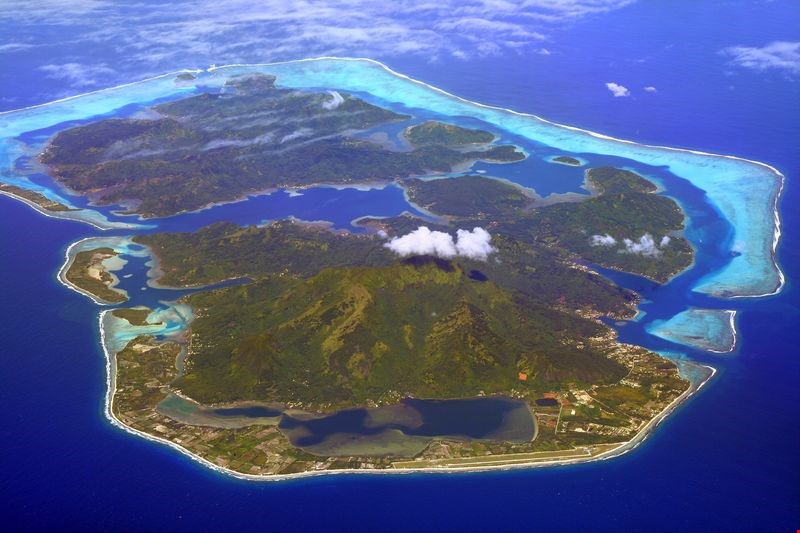
Huahine is an island located among the Society Islands, in French Polynesia, an overseas territory of France in the Pacific Ocean. One of the famous attractions on Huahine is a bridge that crosses over a stream with 3- to 6-foot (1.8 m) long eels. These eels are deemed sacred by the locals, by local mythology. While viewing these slithering creatures, tourists can buy a can of mackerel and feed the eels. The Fa'ahia archaeological site in the north of the island has revealed subfossil remains of several species of extinct birds exterminated by the earliest Polynesian colonists of the island. Local people mostly work in agriculture, fishing and tourism.
Lifou Island, New Caledonia
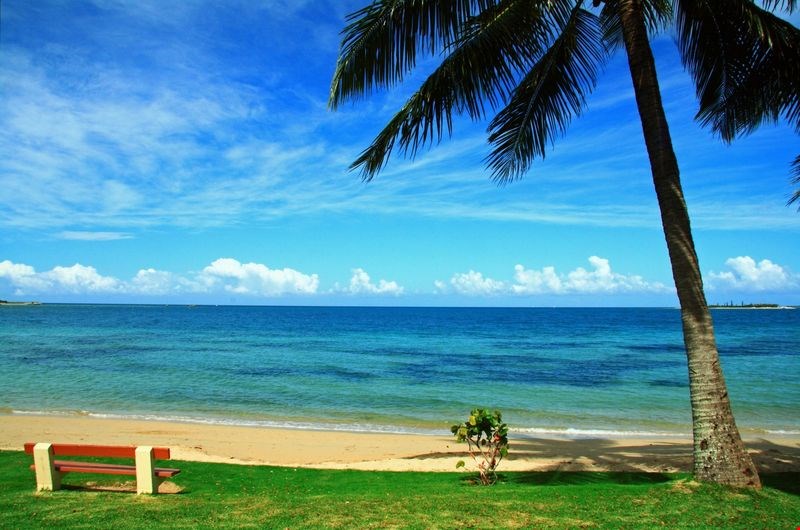
Explore the northern coast of this paradise for intoxicating cliffs and limestone caves, and the southern side for turquoise water and white sand beaches. Snorkel the calm, clear waters of Baie de Jenik, where coral reefs are close enough to swim without flippers. Jokin Cliffs boast amazing caves with stalagmites and stalactites. Paths to churches, lookouts and beaches are breathtaking and great places to take photos.
Moorea, French Polynesia
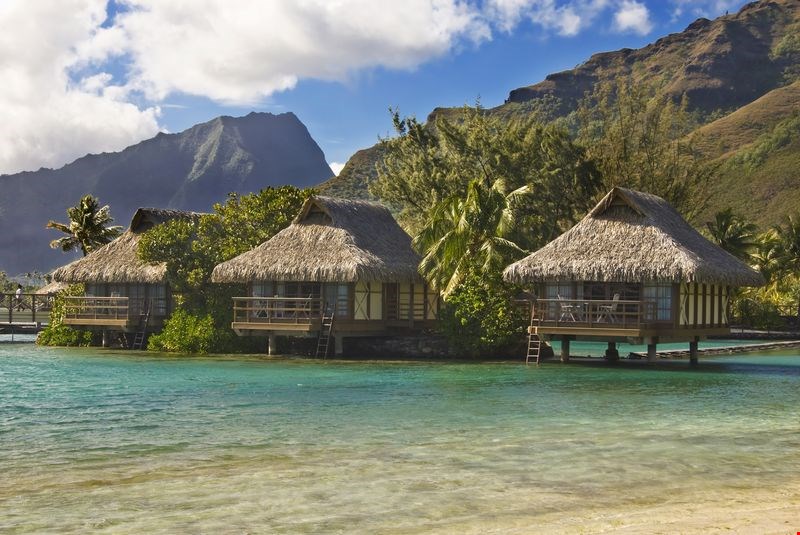
Moorea is an island in French Polynesia. From above, the shape of the island vaguely resembles a heart, with its two nearly symmetrical bays opening to the north side of the island: Cook's (or Paopao) Bay and ʻŌpūnohu Bay. Charles Darwin found inspiration for his theory regarding the formation of coral atolls when looking down upon Moʻorea while standing on a peak on Tahiti. He described it as a "picture in a frame", referring to the barrier reef encircling the island. The CNRS (National Centre for Scientific Research) maintain a research station at the end of ʻŌpūnohu Bay since about 1970.
Mystery Island (Vanuatu)
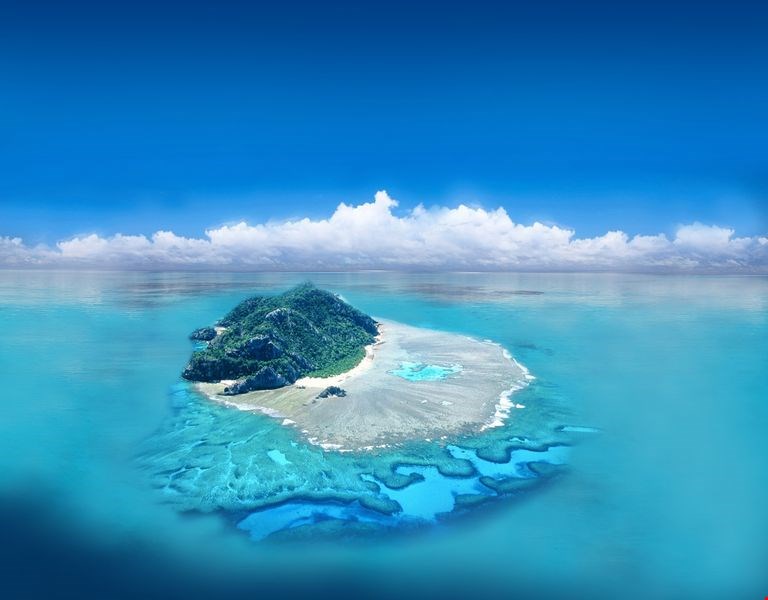
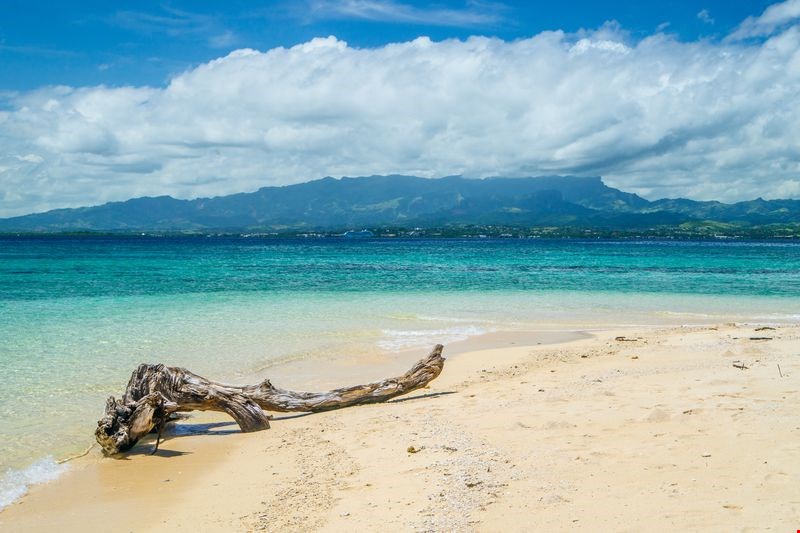
Mystery Island is a small, uninhabited island in the Vanuatu archipelago, in the South Pacific Ocean. It lies just across from the larger island of Aneityum and is mainly used as a stop for cruise ships. The island is famous for its white sandy beaches, turquoise waters, and surrounding coral reefs, which make it ideal for swimming, snorkeling, and relaxation. Although no one lives there, residents of Aneityum often come to welcome visitors with traditional dances, local markets, and handicrafts, offering an authentic taste of Vanuatu’s culture.
Noumea, New Caledonia
Noumea is known as the "French Riviera" of the Pacific. Here is the largest lagoon in the world and the second largest coral reef. So many water sports are available, and if that is not enough for you, the fine French cuisine will fascinate you and the multi-cultural identity of the local population will charm you. Noumea, on the island of Grand Terre, is the capital of the French territory of New Caledonia. The peaceful port city has a diverse population and colourful European architecture, reflecting its colonial history. Having served as the headquarters of the US Army during WWII, the tropical shrubbery of Ouen Toro Mount is now under the protection of abandoned Naval guns. The Michel Corbasson Zoological and Forest Park offers visitors shaded walks amongst rare birds and views out over the lagoon.
Pago Pago
The island of Pago Pago is the capital of American Samoa. The biggest industries of the island are tourism, entertainment, food and packaging plants tone. The island is a mix of suburban communities, a small town, canning factories and a harbor surrounded by cliffs that create a stunning backdrop.
Papeete (Tahiti French Polynesia)
Papeete is the capital of Tahiti and the administrative center of French Polynesia. Located on the island’s northern coast, it is the heart of the region’s political, economic, and cultural life. The city has a busy harbor serving both commercial vessels and cruise ships, and it is famous for its colorful markets where visitors can find local products, pearls, and tropical fruits. Papeete is also known for its vibrant nightlife, gastronomy, and cultural events, serving as the gateway for travelers exploring the islands of French Polynesia.
Suva, Fiji
Suva is the capital and main port of Fiji. In the city center stands the building of the Old Parliament. The library of the city, which was built in 1909, is a sample of colonial architecture. You must visit the Museum of Fiji,in Therston Gardens, where is exhibited a collection of Fijian artworks, the largest one worldwide. In Suva there are many parks with local species of flora of the South Pacific area.
Port Vila, Vanuatu
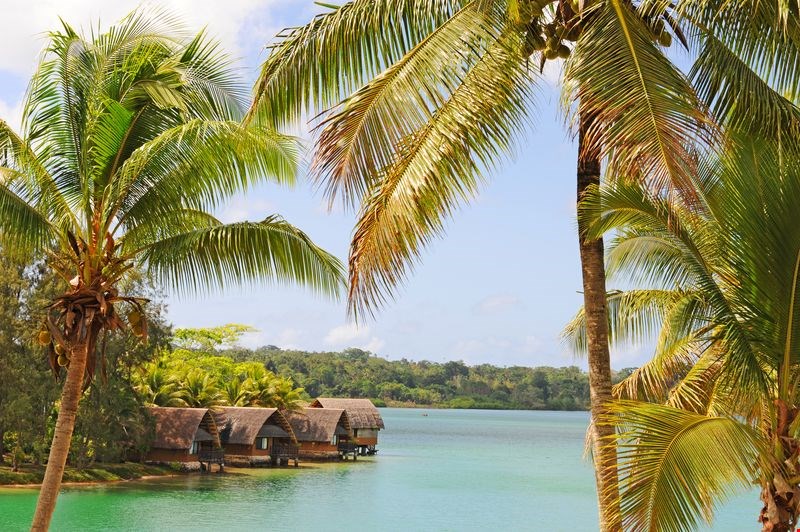
There are 83 exotic islands that make up the amazing archipelago of Vanuatu. The Port Vila, the capital of the Efate island, is the heart of the all area. It is a place of extraordinary natural beauty and live ancient traditions of the first inhabitants. Cool off with a shower under waterfalls, enjoy a snack with fresh fruit or relax in the shade of a "banian" tree and feel like the happiest man on earth.