Barcelona, Spain
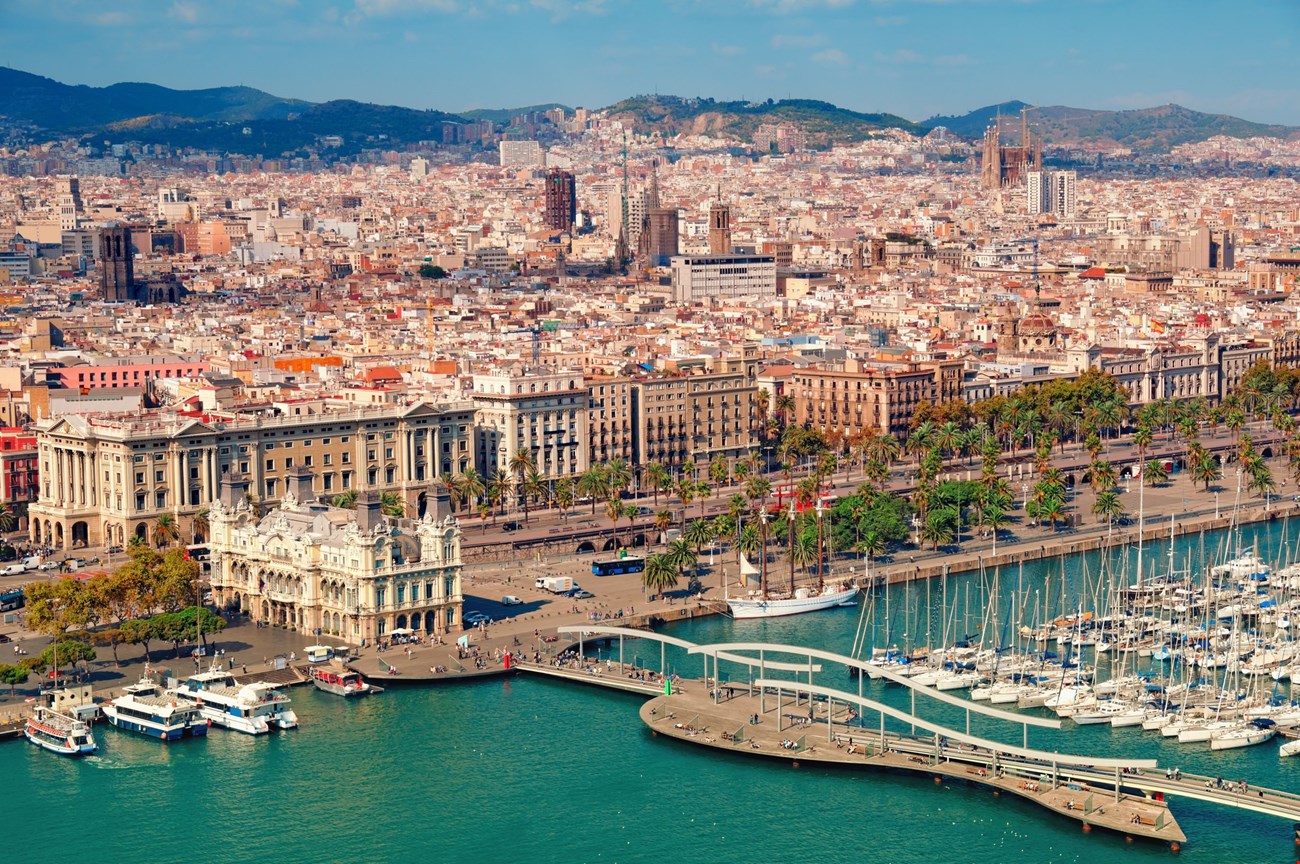
Famous for its unique atmosphere and cultural interest, Barcelona is one of the most vivid cities in Europe. Stroll along Las Ramblas, explore the cobbled streets of the Gothic section or visit the unfinished masterpiece of Gaudí, the Sagrada Familia. Alternatively, go on a bike tour through the old town and along the beach. Go for a walk in the park Guell Gaudi, a truly amazing oasis of plants, trees and buildings. Do not miss the Picasso Gallery, with more than 2000 works of the artist.
Ibiza, Spain
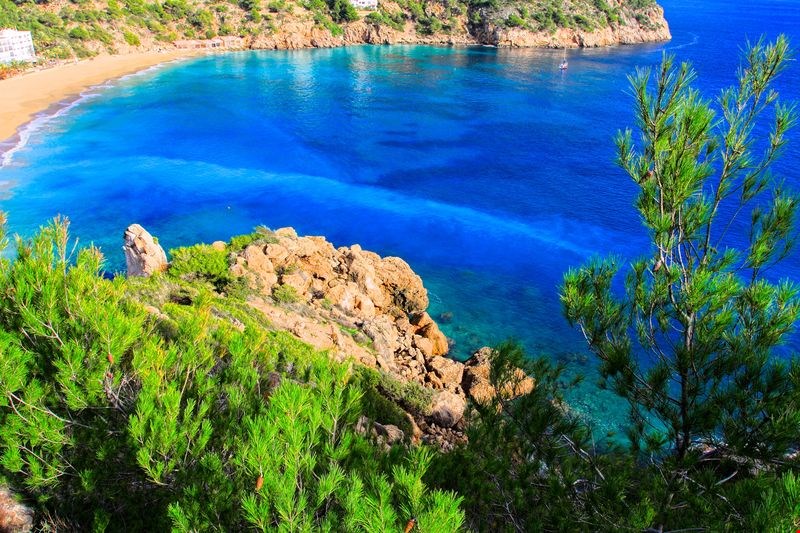
Ibiza is an island in Spain, part of the Balearic Islands in the Mediterranean Sea. It is world-famous for its vibrant nightlife, renowned clubs, and beaches with crystal-clear waters. Beyond its cosmopolitan side, Ibiza also has a historical aspect, featuring charming old villages, traditional architecture, and significant archaeological sites. The island attracts millions of tourists every year who want to combine entertainment, relaxation, and culture. Its natural beauty, including hidden beaches and picturesque landscapes, makes it one of the most popular destinations in Europe.
Mahon, Spain
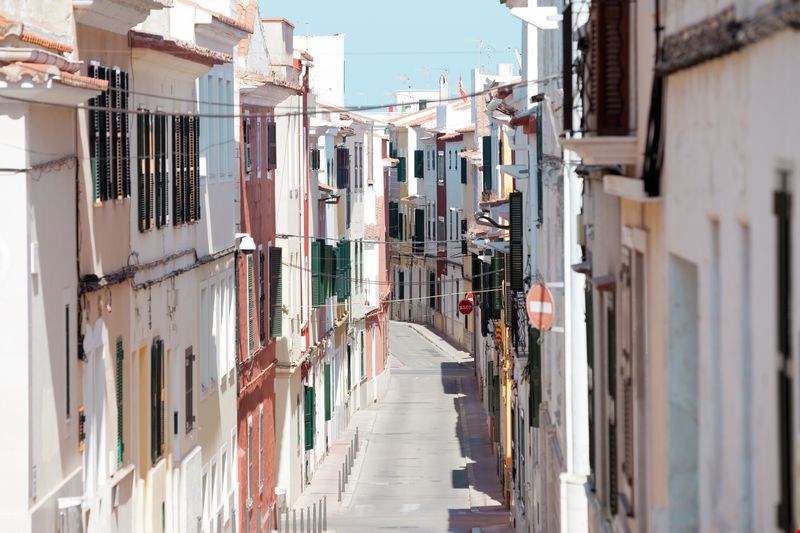
Μahon is the capital of Minorca, a Spanish island, that belongs to the group of Balearic Islands. Due to its location in the center of the western Mediterranean, Minorca had accepted influences of different civilizations since prehistoric times. A typical example is the architecture on the island, which is a mixture of local and colonial elements. Today is one of the most important tourist destinations of Spain. Famous for its traditional summer festivals, attracts many visitors. The international opera week and international festival of musical instruments, are of the main cultural events on the island.
Palma De Mallorca, Spain
Palma de Mallorca is not just the capital of the Balearic Islands—it's a living canvas where history, architecture, the sea, and the Mediterranean way of life blend with natural elegance. The city unfolds around a magnificent natural harbor, with the striking Gothic cathedral of La Seu rising above it like a quiet reminder of Mallorca’s grand past. Behind the old city walls, narrow alleys wind through aristocratic palaces, charming inner courtyards, and lively little squares that pulse with everyday life.
Palma moves to a distinctly Mediterranean rhythm: mornings are bright and filled with the scent of fresh ensaïmada, afternoons are slow and savor-rich, with long lunches and wine, and evenings stretch into open-air conversations and social energy. The city’s modern identity expresses itself through art, design, gastronomy, and a spirit that effortlessly blends European culture with island ease. From peaceful strolls along the seaside promenade to the vibrant energy of a night out, Palma reveals itself gradually—refined yet authentic, cosmopolitan yet deeply rooted in its local character.
It’s not a city that tries to impress—it’s a city that, if given time, reveals its grace slowly. And that makes it linger in the memory not as a postcard image, but as a textured, resonant experience filled with sound, light, and feeling.
Provence (Toulon), France
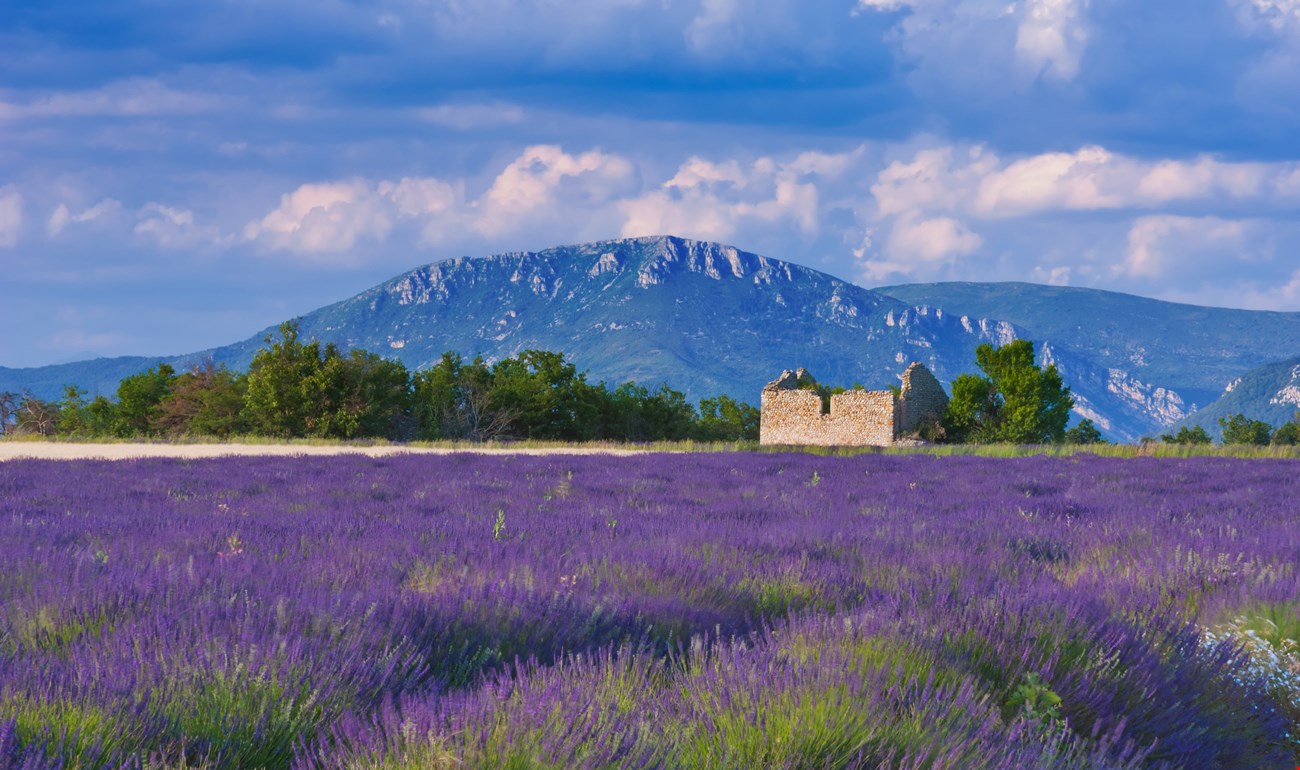
Some of the sightseeings of the city's historic center are one of the oldest cathedrals in France, dedicated to the Savior, the Town Hall Square with its famous clock, the Cours Mirabeau,a filled with flowers street and the numerous private mansions created to the city center between 13th and 16th centuries. Do not forget to enjoy your coffee in the bistro "de Garçon" the favorite haunt of Paul Cezanne and other Impressionists painters.The old port offers spectacular views of the bay jetty. There you will see the twin castles - outposts of St. John and St. Nicholas- as well as the Notre Dame de la Guard, housed in the city's highest point overlooking the Chateau d'If, where the Earl Montekristo was imprisoned, according to the Alexandre Dumas' novel.