Aarhus, Denmark
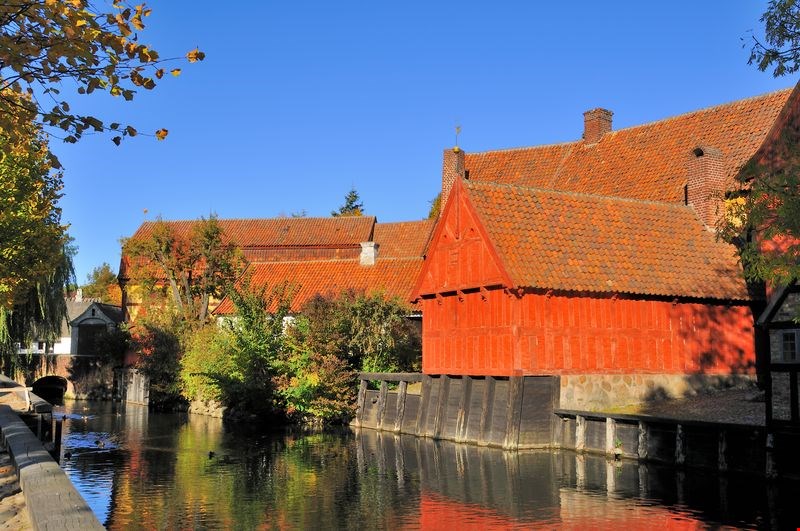
The city of Aarhus is the second largest city in Denmark situated by the sea in the heart of Jutland. The municipality of Aarhus covers approximately 300,000 inhabitants with an additional 1,200,000 in the surrounding region of East Jutland; this makes it the second-largest region in Denmark Think of Aarhus as a major city crammed into a mega village. Being a university city, Aarhus is the youngest in Denmark measured by average age, but historically one of the oldest. Thus, the atmosphere is a vibrant mix of youthful energy and blasts from the past.
Arendal, Norway
Arendal is a picturesque seaside town in southern Norway, located in the Sørlandet region. It is known for its beautiful harbor, traditional wooden houses, and lively summer atmosphere, making it a favorite destination for both Norwegians and visitors from across Europe. The town has a rich maritime history, having been an important center for shipbuilding and trade during the 18th and 19th centuries. Today, it combines its historical charm with modern infrastructure, offering museums, festivals, cafés, and cultural events throughout the year. Arendal is also renowned for Arendalsuka (Arendal Week), a major annual political and social forum that brings together representatives from all over Norway. With its natural beauty and calm coastal life, the town perfectly embodies the relaxed spirit of southern Norway.
Copenhagen, Denmark
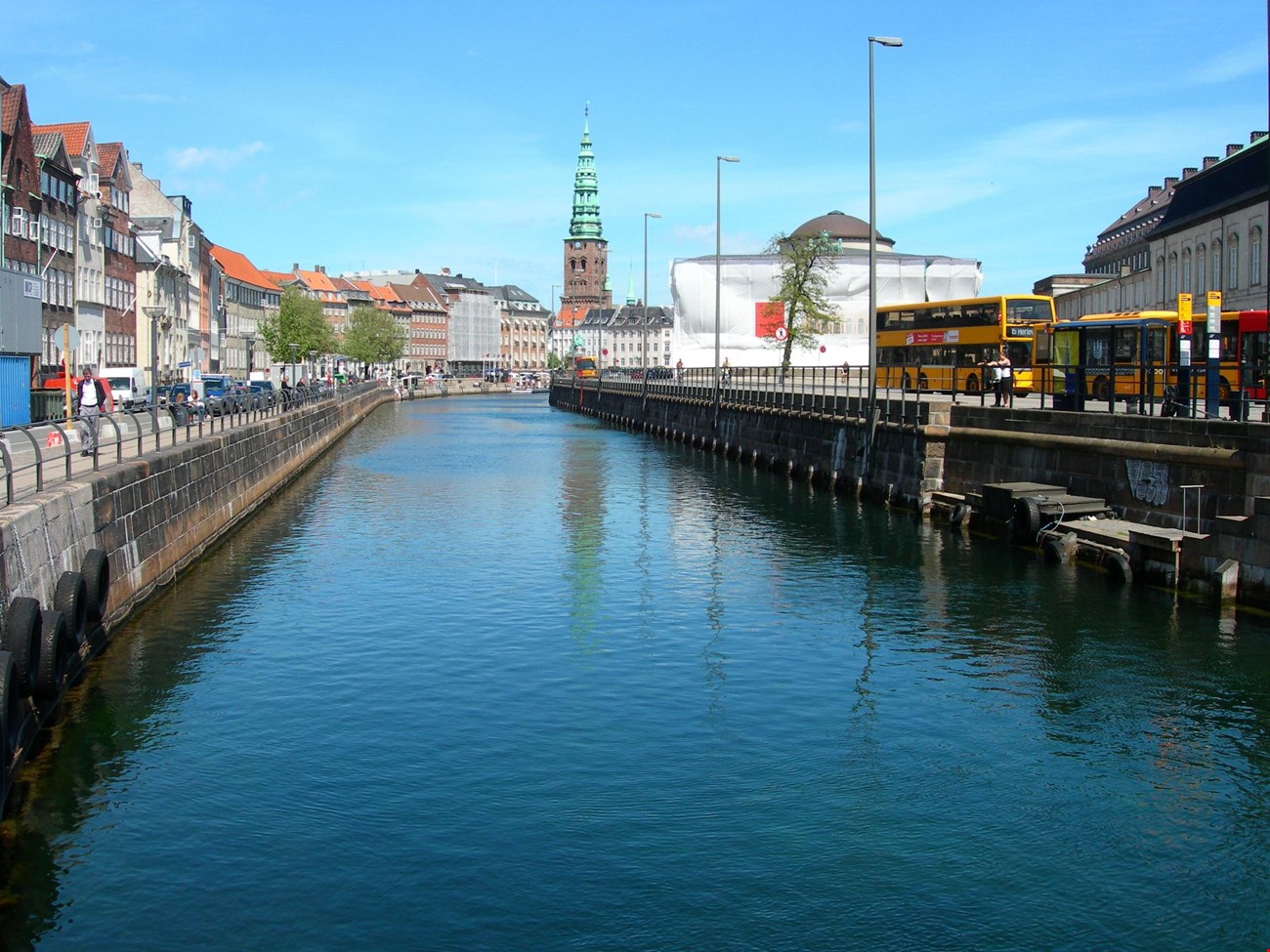
Copenhagen, the largest city in Scandinavia, is home to the oldest kingdom in the world. Since the bronze life-size statue of the "Little Horn" of Hans Christian Andersen, Town Hall Square and the Castle of Kristianmporgk, Copenhagen has cultural and historical wealth and is a wonderful city for walking . Tour the shopping center or enjoy the lush gardens of Tivoli and entertainment venues in the surrounding area. Visit the port Nichavn and relax in an outdoor cafe or wander boat canals of Copenhagen.
Gdansk (Gdynia), Poland
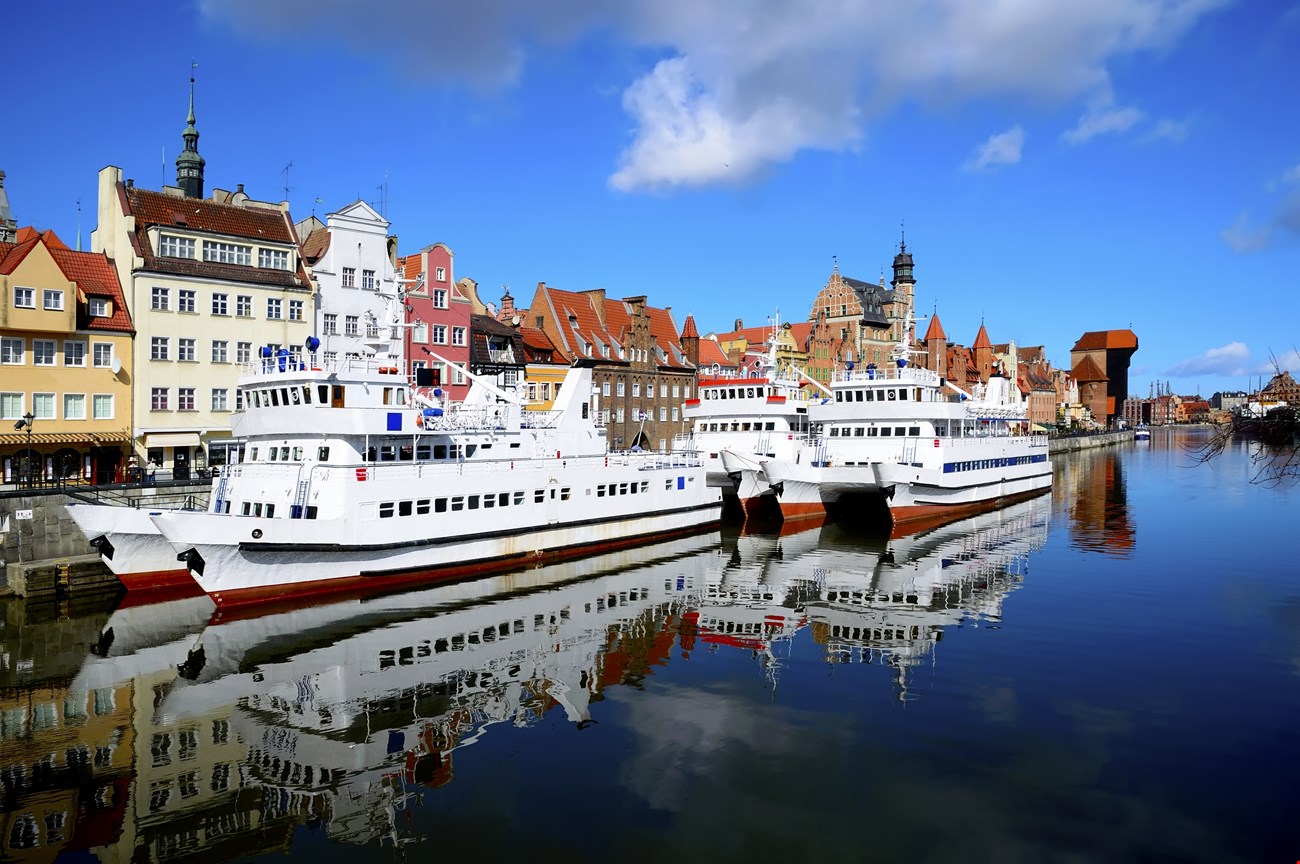
Gdansk, together with its neighboring city Gdynia, is located on the northern coast of Poland, along the Baltic Sea. Gdansk is a historic city with a rich maritime and trading tradition, famous for its Old Town with impressive Renaissance and Gothic buildings, its long history as a member of the Hanseatic League, and its pivotal role in events such as the outbreak of World War II and the rise of the Solidarity movement. Gdynia, on the other hand, is a more modern port city that developed in the 20th century and today stands as a dynamic urban center with busy commercial activity, attractive beaches, and strong maritime heritage. Together with nearby Sopot, the two cities form Poland’s Baltic urban trio known as the “Tricity,” combining history, culture, and tourism.
Helsinki, Finland
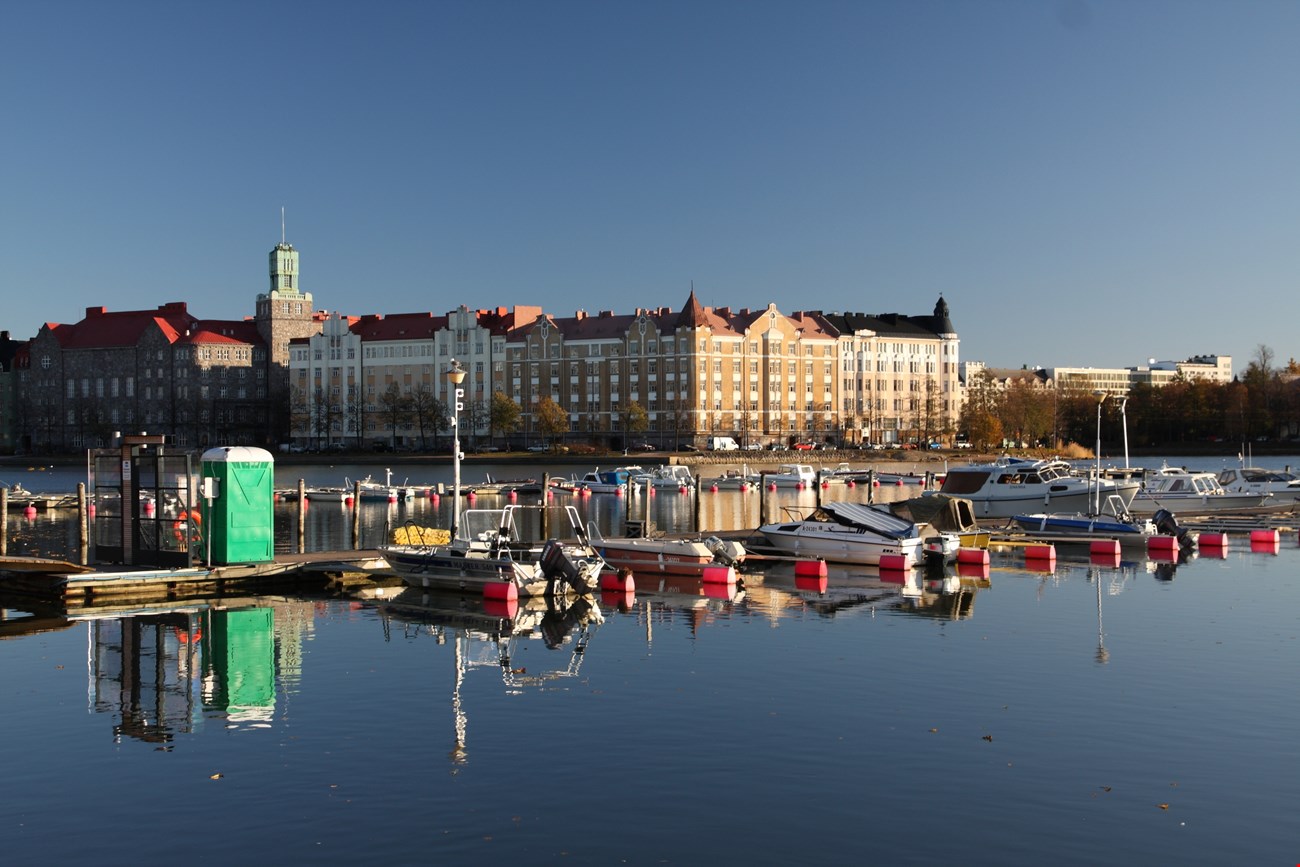
A city with spacial character and traditions, Helsinki, the capital of Finland is an architectural gem. Combining classic style, baroque and modern design, Helsinki is a vibrant city with a unique culture, heritage and beauty. The best way to enjoy this beauty is on a walk, or a ride by a public bike.
Honfleur
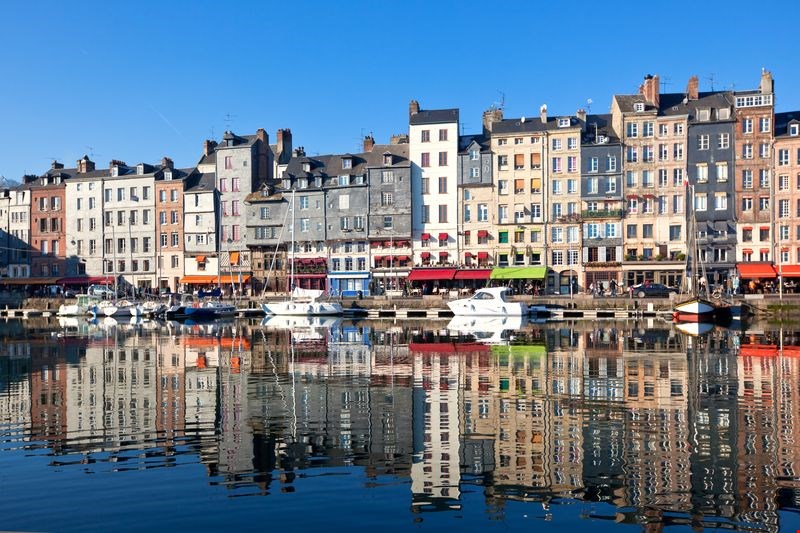
Honfleur t is located on the southern bank of the estuary of the Seine across from le Havre and very close to the exit of the Pont de Normandie. It is especially known for its old, beautiful picturesque port, characterized by its houses with slate-covered frontages, painted many times by artists, including in particular Gustave Courbet, Eugène Boudin, Claude Monet and Johan Jongkind, forming the école de Honfleur (Honfleur school) which contributed to the appearance of the Impressionist movement. The Sainte-Catherine church, which has a bell tower separate from the principal building, is the largest church made out of wood in France.
Honfleur offers the warm welcome of a little town. This little maritime city, which has somehow escaped the ravages of time, has managed to preserve the traces of a rich historical past, which make it one of the most visited towns in France, with its picturesque backstreets and old houses. Simultaneously fishing harbour, marina and commercial port, Honfleur has succeeded in making the most of its rich historical and artistic heritage.
Klaipeda, Lithuania
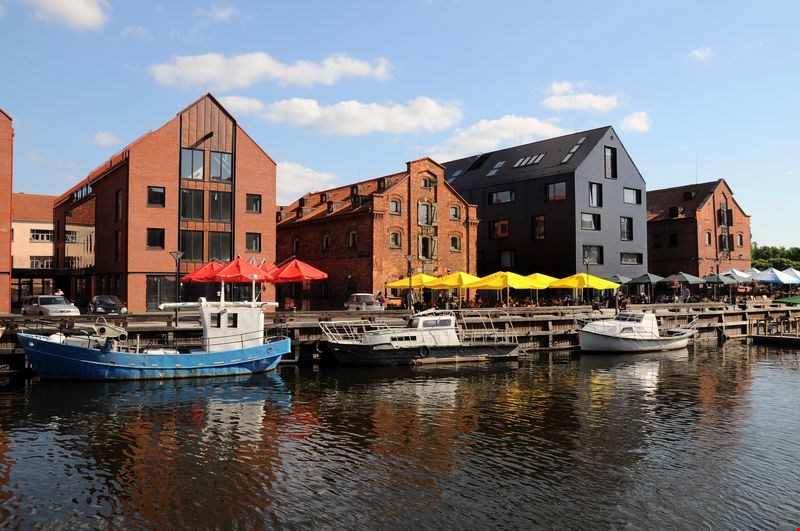
Klaipėda is the third largest city in Lithuania and the country’s only seaport on the Baltic Sea. Founded in the 13th century by the Teutonic Knights under the name Memel, it served for centuries as an important commercial and strategic center. Today, it is distinguished by its old town with characteristic German architecture, cobblestone streets, and wooden facades, as well as by its busy port that connects Lithuania with Northern Europe. Klaipėda also serves as a gateway to the Curonian Spit National Park, a UNESCO World Heritage Site, famous for its sand dunes and unique natural beauty.
Malmo, Sweden
Malmö, which is linked to Copenhagen by the Øresund Bridge, a marvel of engineering that is Europe’s longest railway and road bridge. Tour the splendidly preserved Malmöhus Castle, a Renaissance fortification surrounded by a leafy park sprinkled with sculptures. In expansive Stortorget, Malmö’s main square, admire the elaborate City Hall before making your way down Södergatan, an elegant avenue brimming with eclectic boutiques.As you gaze at Malmö’s twinkling skyline, you’ll catch sight of the soaring Turning Torso skyscraper, a daring statement by revered Spanish architect Santiago Calatrava.
Nynashamn, Sweden
Nynashamn is located 60 km south of Stockholm, capital of Sweden, and is one of the most popular destination of the country especially at the summer time due to the harbor party that takes place. The town is characterized by picturesque restaurants and a market with local products.
Riga
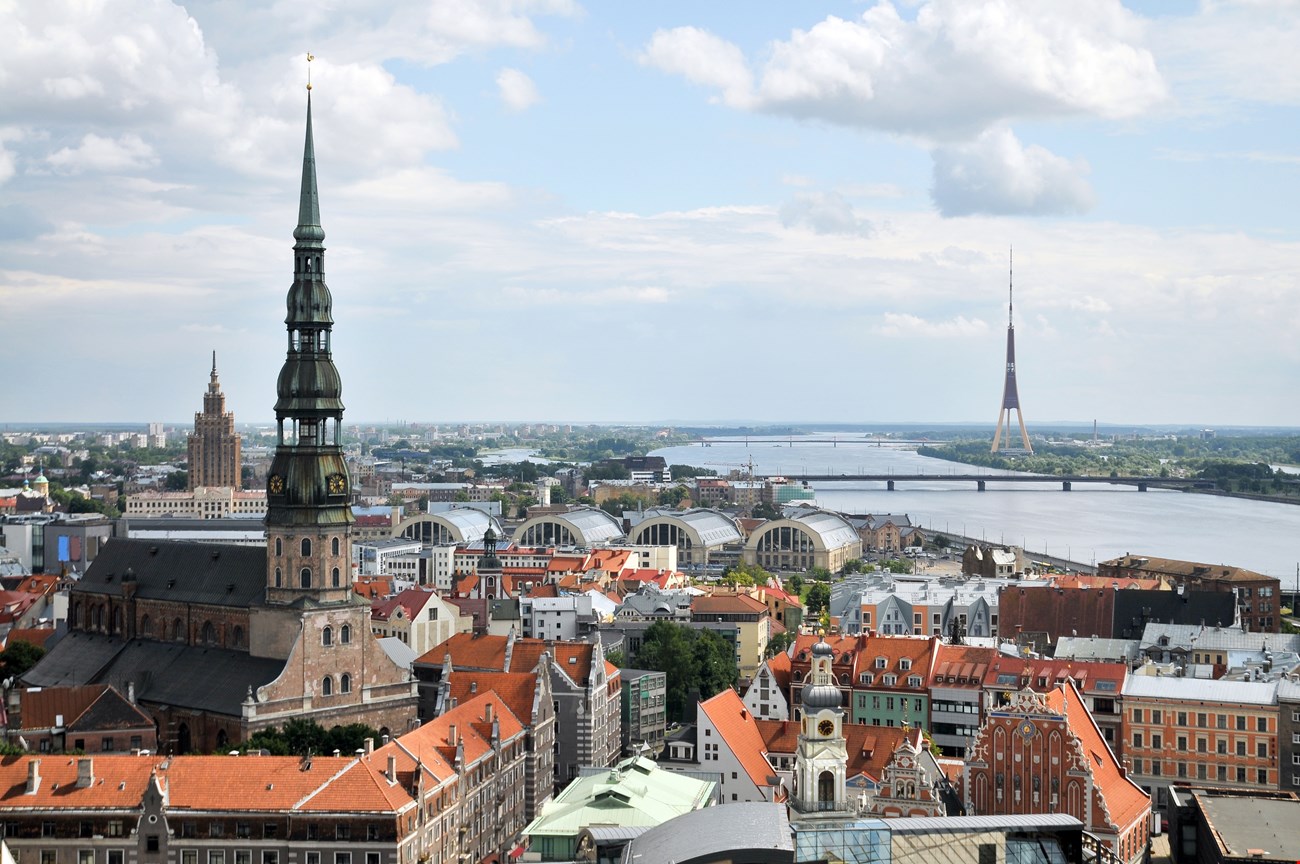
Riga is the gem of the Baltics. It is situated at the mouth of the Daugava, on the shores of the Gulf of Riga on the Baltic. Riga has an ancient history and rich cultural heritage. As Riga has always been located at a juncture of trading routes, it is a multicultural city which means there are things to see here: a weekend in Riga is a great way to gather new impressions and to relax.
Ronne (Bornholm), Denmark
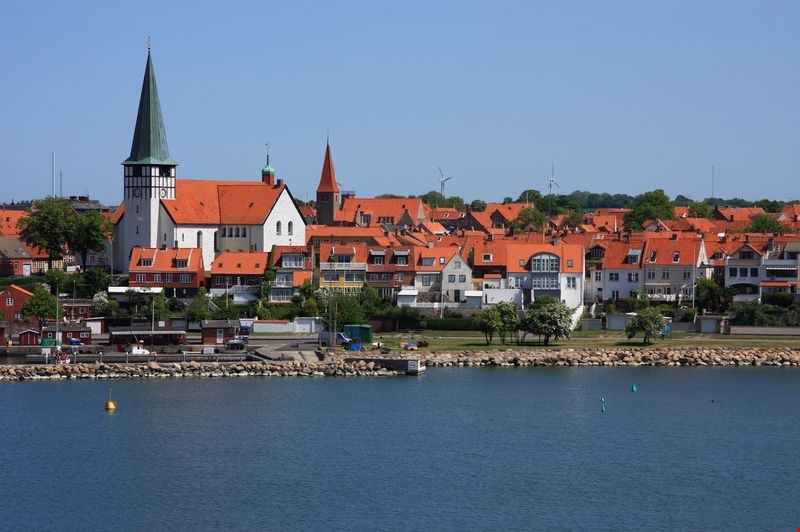
Ronne is the largest town on the island of Bornholm in Denmark, known for its calm, traditional island atmosphere. Its cobblestone streets and colorful houses create a warm, picturesque setting that preserves the charm of the past. The harbor is a central point of activity, with ferries connecting the island to Denmark and the Baltic region. The town is also recognized for its old ceramics workshops and museums, which highlight local craftsmanship and history. It is a peaceful destination that offers natural beauty, culture, and a relaxed pace of life.
Southampton, United Kingdom
Southampton is a large city and major port on the south coast of England. It considers to be the cruise capital of Northern Europe and has a long and important maritime history.
The rich city's culture heritage is reflected to the number of museums, such as Southampton Maritime Museum, Tudor House Museum and Sea City Museum. Galleries, open events, festivals, shopping and a great variety of attractions are available, for all interests. This vibrant, multi cultural city wont't disappoint any visitor.
Tallinn, Estonia
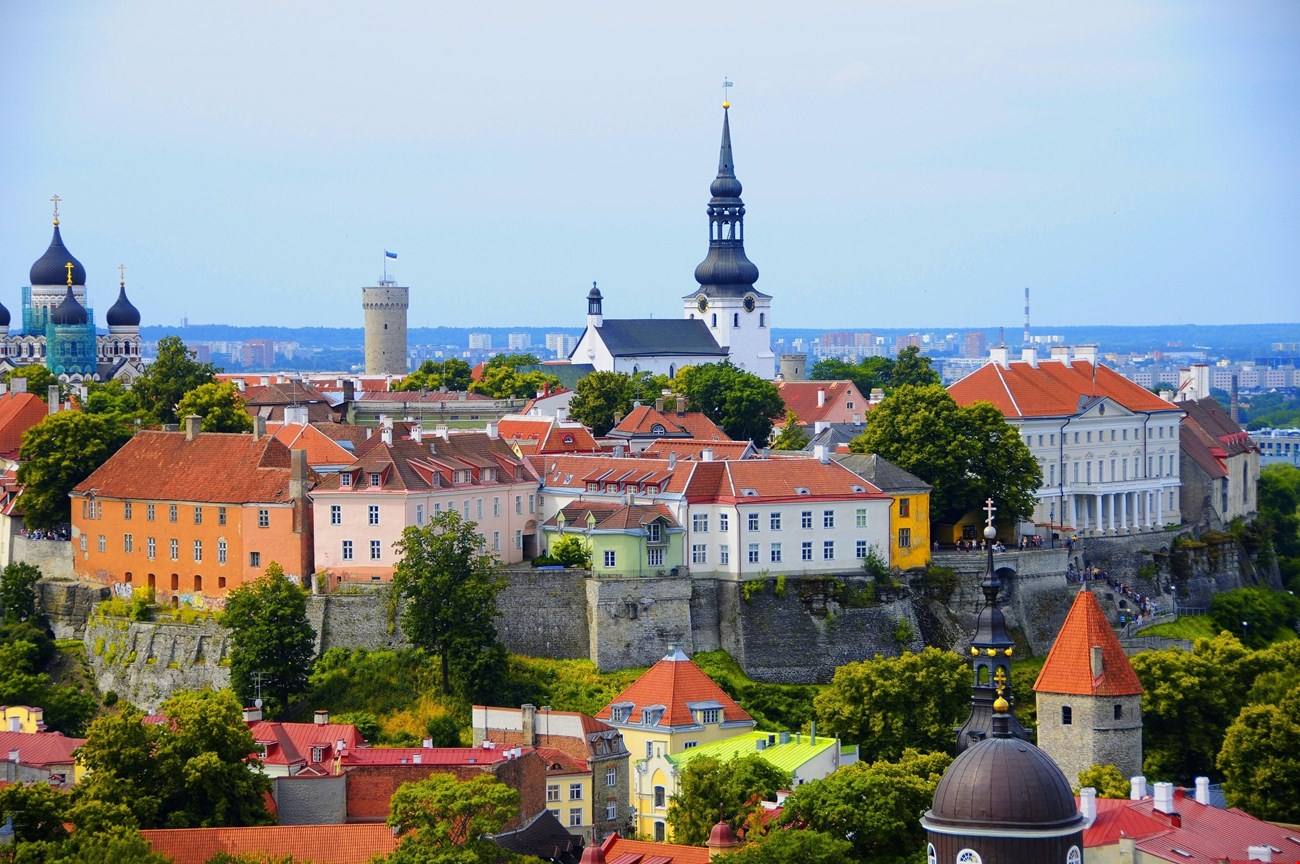
The capital of Estonia, Tallinn is a European city with a unique atmosphere thanks to the incredible architectural treasures and gilded roofs of houses, churches with tall steeples and the famous Fort Tuba of 13th century with the haunted halls. A walking tour will enchant you. Wander the maze of narrow medieval streets and passageways, and relax with a local beer in one of the outdoor bars or restaurants in the historic Town Hall Square. Enjoy the wonderful boutiques and retailers in a shopping stroll along the famous cobbled streets of Catherine's Passage.
Berlin (Warnemunde), Germany
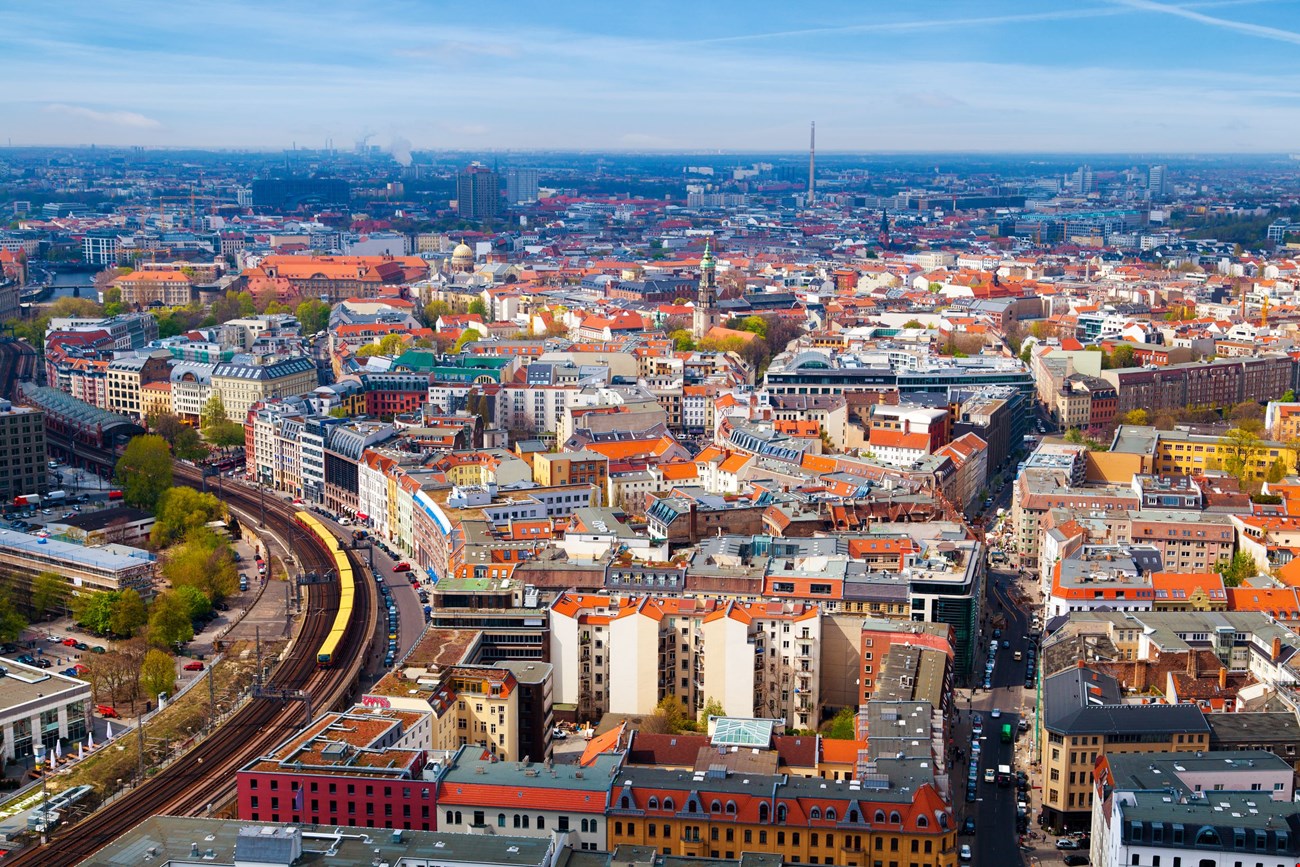
Warnemunde is a small seaside resort town over two hours by train to Germany's capital of Berlin.It is considered a suburb of Rostock close by.Scwerin is also a popular town to vistit in the area for those not wanting to travel the long distance to Berlin.