Cape Cod Canal Transit
The Cape Cod Canal Transit is a passage through one of the most remarkable man-made waterways in the United States, located in Massachusetts. The canal, completed in the early 20th century, connects Cape Cod Bay in the north with Buzzards Bay in the south, providing a safe and efficient route that spares ships from navigating the often treacherous waters around the outer shores of Cape Cod. During the transit, travelers experience a unique perspective of New England scenery: calm waters lined with walking paths, lighthouses, small villages, and stretches of coastal landscape that reflect the maritime character of the region. It is both a practical shipping route and a scenic journey, with bridges spanning the canal and recreational boaters often sharing the waters with larger vessels. Crossing the Cape Cod Canal is not only a convenient shortcut but also a voyage through a landscape where human engineering meets the natural beauty of coastal Massachusetts.
Grand Manan
Grand Manan is a large island in the Bay of Fundy, New Brunswick, Canada. It is known for its dramatic cliffs, scenic beaches, and small fishing villages that preserve a strong maritime tradition. The island is a popular ecotourism destination, offering birdwatching, hiking, and whale-watching opportunities. Combining the wild natural beauty of the Atlantic with an authentic sense of local life, Grand Manan attracts travelers seeking tranquility and a close connection to nature.
Hopedale
Hopedale is a small coastal community in Labrador, Canada, known for its historical significance as a former Moravian mission center and for the rich cultural heritage of the Inuit people. Surrounded by cold, pristine landscapes with fjords, rocky shores, and sea ice, it offers a unique experience of Arctic life. It’s an ideal destination for those interested in Indigenous culture, colonial history, and an authentic connection to the northern environment.
Cruise Prince Christian Sound
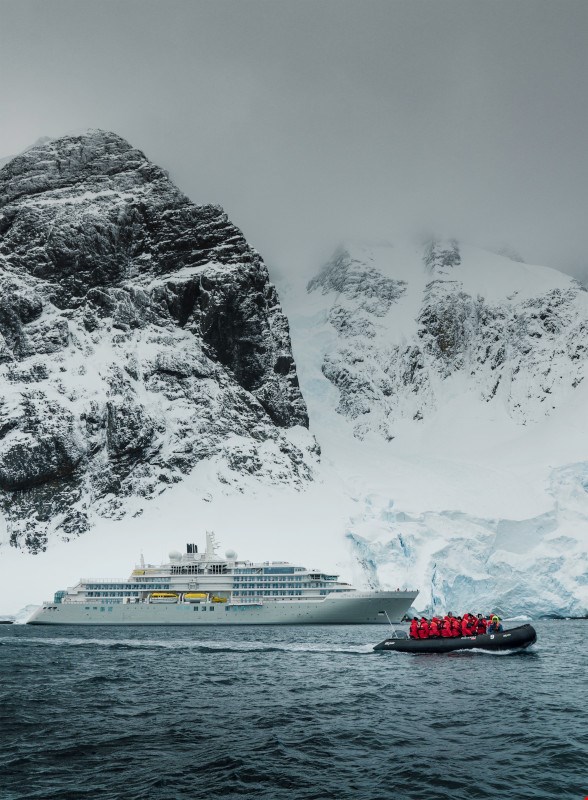
Prince Christian Sound, also known as Prins Christians Sund, is one of the most spectacular waterways in southern Greenland. Stretching for about one hundred kilometers, it separates Greenland’s mainland peninsula from Sammisoq Island and several smaller islands of the Cape Farewell Archipelago. The scenery is breathtaking: steep mountain peaks, glaciers descending into the sea, and icebergs floating on the crystal-clear waters create an image of unique Arctic beauty. Along the passage there is only one settlement, Aappilattoq, with about one hundred inhabitants, while a weather station monitors conditions for navigation. The climate is subpolar maritime, with relatively mild variations compared to other Arctic regions. Prince Christian Sound is a favorite route for cruises in Greenland, as it offers travelers the chance to witness glaciers, icebergs, and abundant wildlife such as whales, seals, and Arctic seabirds. It is a destination that reveals the raw wilderness and authenticity of the north in a way that remains unforgettable.
Qaqortoq, Julianehab
Qaqortoq, formerly known as Julianehåb, is the largest town in southern Greenland and one of the island’s most vibrant centers. It lies beside a fjord and is surrounded by steep mountains, combining the rugged Arctic environment with human presence. The town is notable for its colorful wooden houses, which stand in sharp contrast to the gray rocks and white ice. It also has an active cultural life, with a museum, galleries, and a teachers’ training college. Particularly well known is the project Stone & Man, an open-air collection of sculptures carved into rocks by artists from different countries. Qaqortoq represents Greenlandic culture at its core: a small, remote community with a strong identity and a deep connection to the wild nature around it.
Hvalsey, Greenland
Hvalsey was one of the most important Norse Viking settlements in Greenland during the Middle Ages. It is located near present-day Qaqortoq, on the southwest coast, and is best known for its remarkably well-preserved medieval church, built around the 14th century from large stone blocks. The church at Hvalsey was the center of religious life for the Scandinavian settlers, and it was the site of the last recorded event of the Norse presence in Greenland—a wedding in 1408. Today, the site is a significant archaeological monument and forms part of the cultural landscape designated as a UNESCO World Heritage Site.
Reykjavik, Iceland
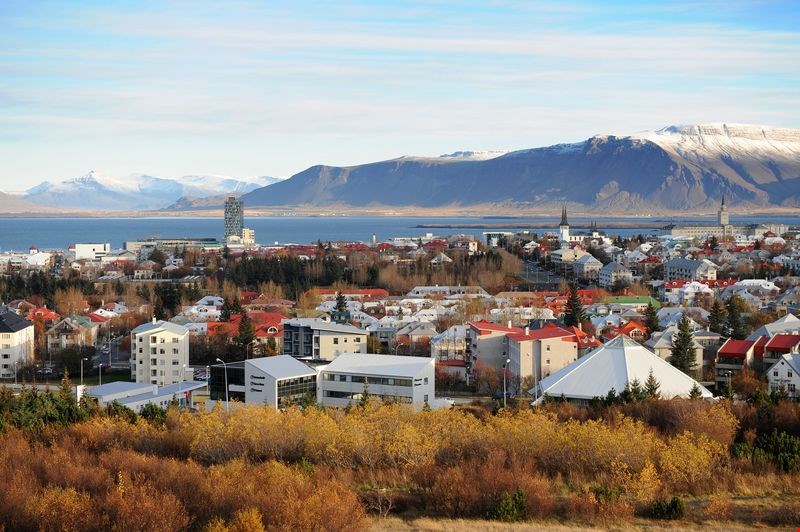
Reykjavik is a perfect town, with plenty of room, clean air, vibrant culture and beautiful environment. The southernmost capital of the world has it all. To enrich your knowledge of the Norwegian and Icelandic culture, visit the National Museum and the wooden buildings of the old city of Reykjavik. Afterwards leave the city behind and drive across landscapes of fire, ice and geysers to indulge in spas, that steam gushes.Don't miss such an ethereal experience.
Bayonne, New Jersey
Bayonne in New Jersey is a waterfront city located between the Hudson River, Newark Bay, and Arthur Kill, just a short distance from New York City. Traditionally an industrial and port center, today it has developed into an important hub for cruises, with cape liberty cruise port serving as the departure point for many itineraries to the Caribbean and beyond. The city offers beautiful parks with views of New York, such as Bayonne Bridge Park, and is also home to the striking Tear Drop” monument, dedicated to the victims of September 11. Bayonne combines proximity to Manhattan with a quieter, more local atmosphere.
Woody Point, Newfoundland, Canada
Woody Point is a small town in Newfoundland, Canada, located on the southern shores of Gros Morne National Park. It is known for its picturesque harbor, colorful wooden houses, and vibrant summer cultural life, with music and literary festivals. The town is also a popular base for visitors exploring the park’s stunning landscapes, including fjords, mountains, and geological formations recognized as a UNESCO World Heritage Site. It combines natural beauty with local culture, attracting travelers who seek both.