Ephesus (Kusadasi), Turkey
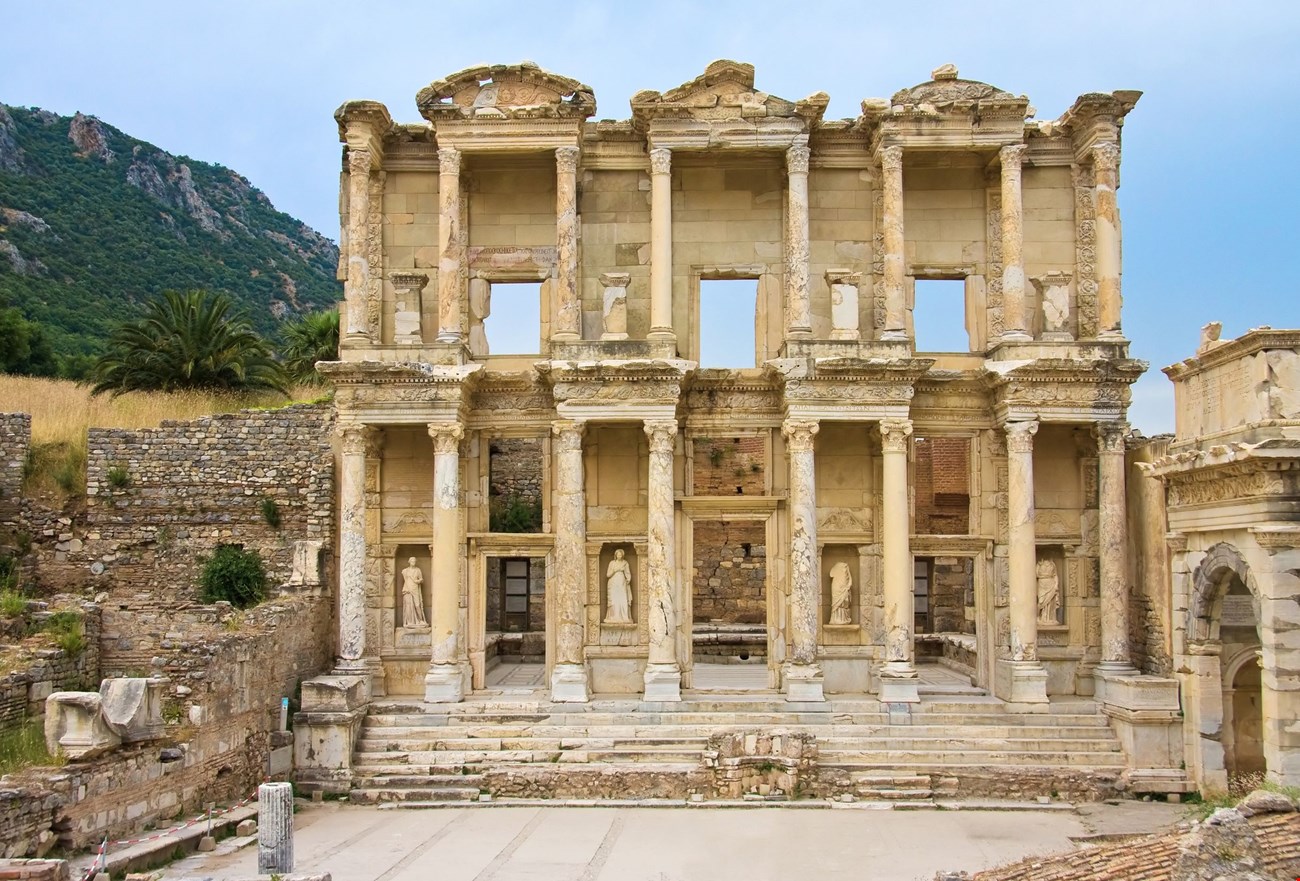
Ephesus is the best preserved classical city in the Mediterranean, famous for its Greek and Roman architecture and probably the best place in the world to realize how life was in Roman times. Ancient history comes alive as you walk along the marble streets next to the traces left by the vehicls of the ancient years and overtake the temples, columns, houses and public baths. Visit the extensively restored Library of Celsus that once contained 12,000 scrolls.
Athens (Piraeus), Greece
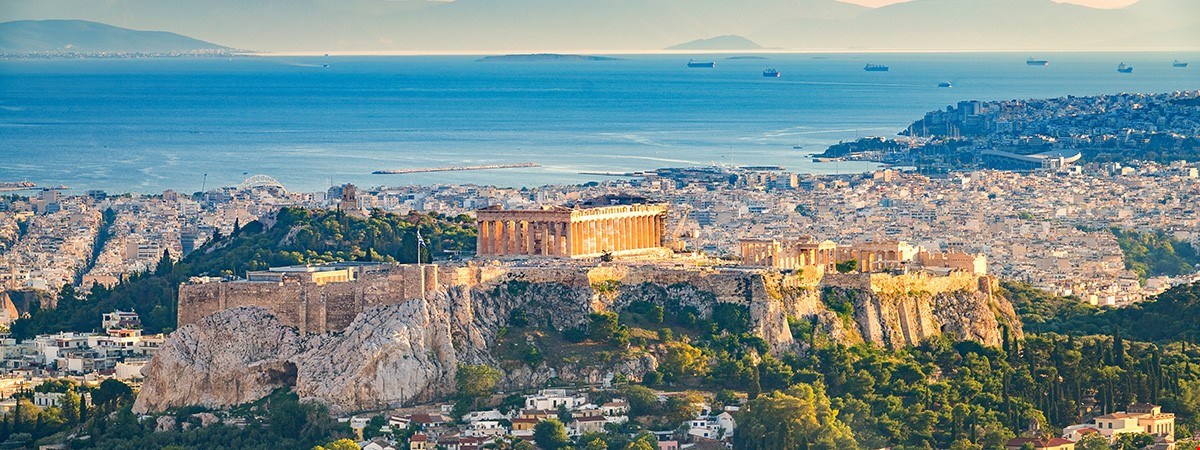
Visit the capital of Modern and Ancient Greece and explore , the "Old City" of Athens, Plaka, with its neoclassical buildings and shops for gifts and souvenirs.
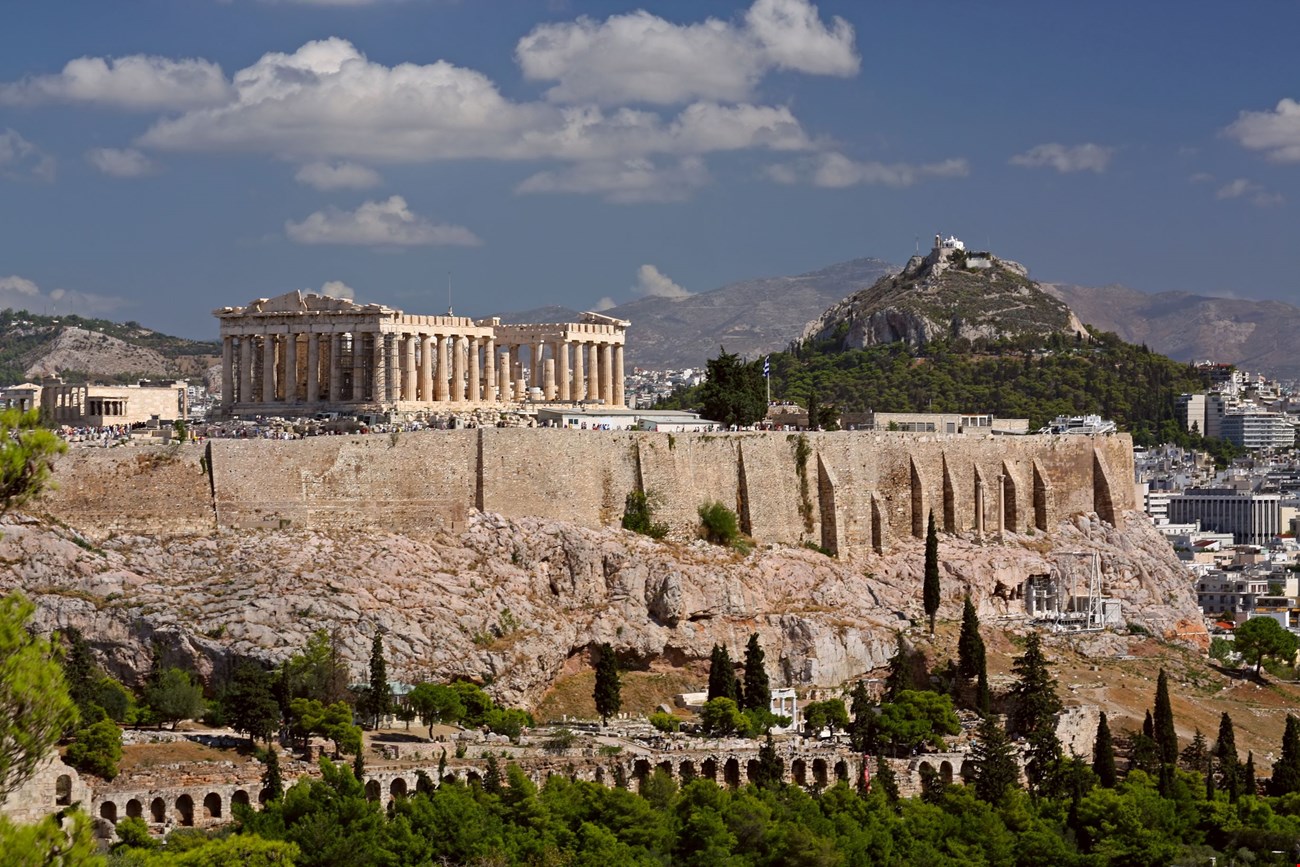
Climb the Acropolis hill, where the Parthenon Temple dominates, and enjoy the wonderful view. Also, take a trip along the beautiful Saronic Gulf - Cape Sounion and ancient Corinth, where you can sunbathe and admire thousand years of history.
Barcelona, Spain
Famous for its unique atmosphere and cultural interest, Barcelona is one of the most vivid cities in Europe. Stroll along Las Ramblas, explore the cobbled streets of the Gothic section or visit the unfinished masterpiece of Gaudí, the Sagrada Familia. Alternatively, go on a bike tour through the old town and along the beach. Go for a walk in the park Guell Gaudi, a truly amazing oasis of plants, trees and buildings. Do not miss the Picasso Gallery, with more than 2000 works of the artist.
Cagliari
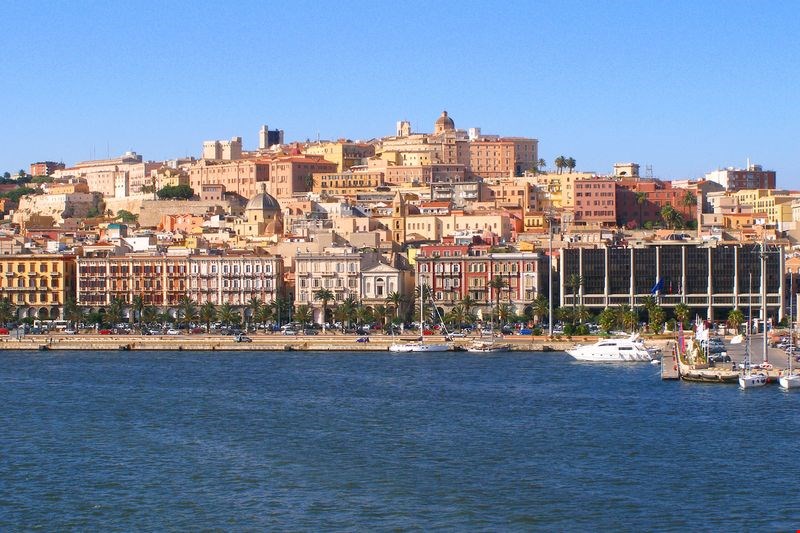
Cagliari is the capital of Sardinia and offers magnificent views of the Castello district, as you enter the harbor. Visit the old town and wander the narrow streets. Do sunbath in untouched beaches or snorkeling in exciting underwater caves.
Heraklion (Crete)
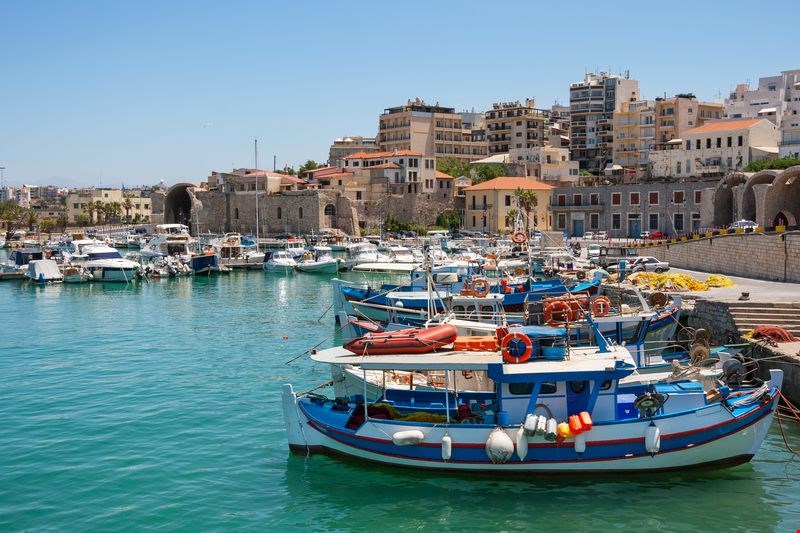
Heraklion, Crete's capital, lies on the side of a hill facing the Cretan Sea. The city got its name from the mythical hero Hercules. Although it is a great city full of life, Heraklion is also the gateway to the nearby magnificent monuments of great ancient civilizations. Discover the amazing Minoan Crete or simply enjoy the beautiful beaches of the area.
Katakolon (Olympia), Greece
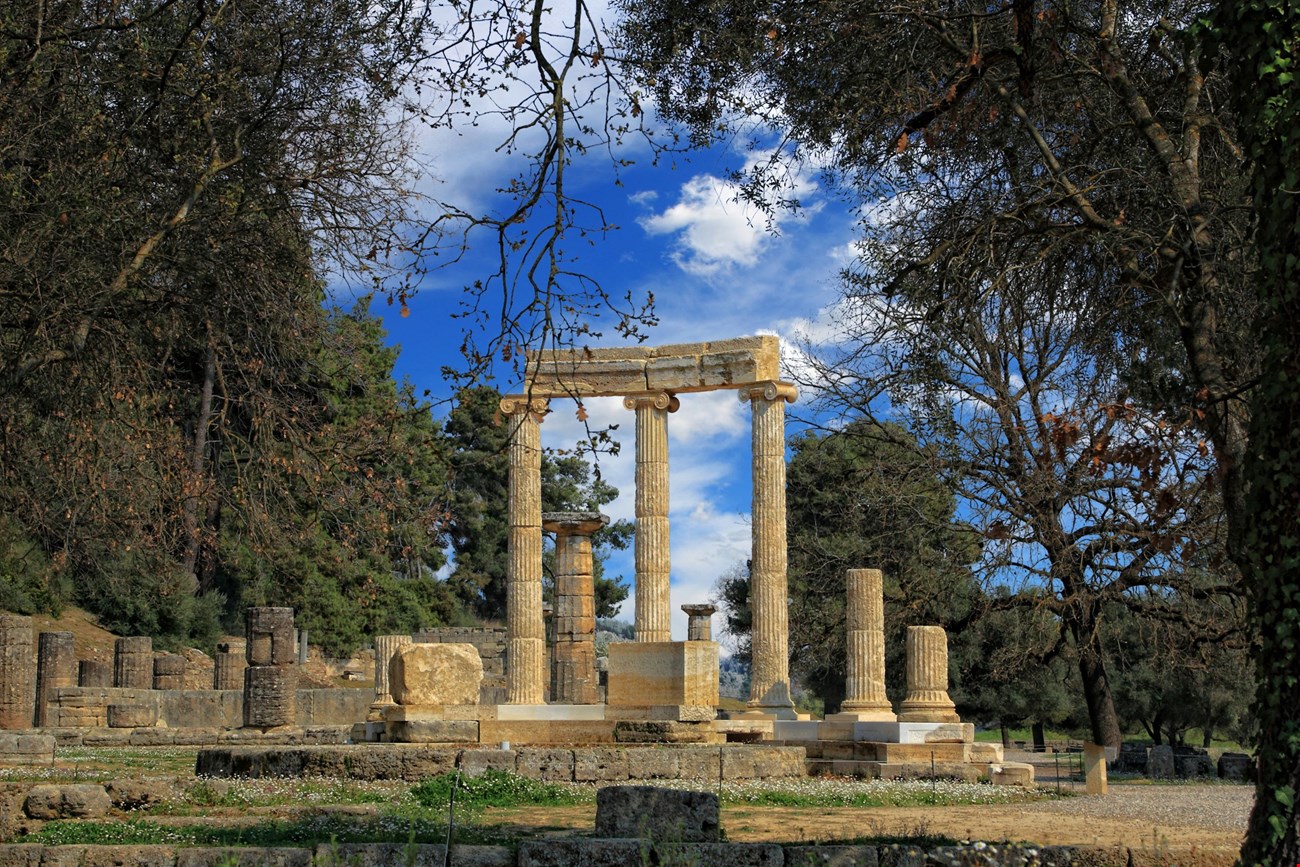
Katakolo is a seaside port in the region of Ilia, near Ancient Olympia, and a popular stop for cruise ships. It features a picturesque waterfront with cafés, tavernas, and shops, serving as the gateway for excursions to the archaeological site of Olympia (about 30 minutes away), birthplace of the Olympic Games. The area offers access to nearby beaches, local products, and cultural attractions.
Mahon, Spain
Μahon is the capital of Minorca, a Spanish island, that belongs to the group of Balearic Islands. Due to its location in the center of the western Mediterranean, Minorca had accepted influences of different civilizations since prehistoric times. A typical example is the architecture on the island, which is a mixture of local and colonial elements. Today is one of the most important tourist destinations of Spain. Famous for its traditional summer festivals, attracts many visitors. The international opera week and international festival of musical instruments, are of the main cultural events on the island.
Valletta
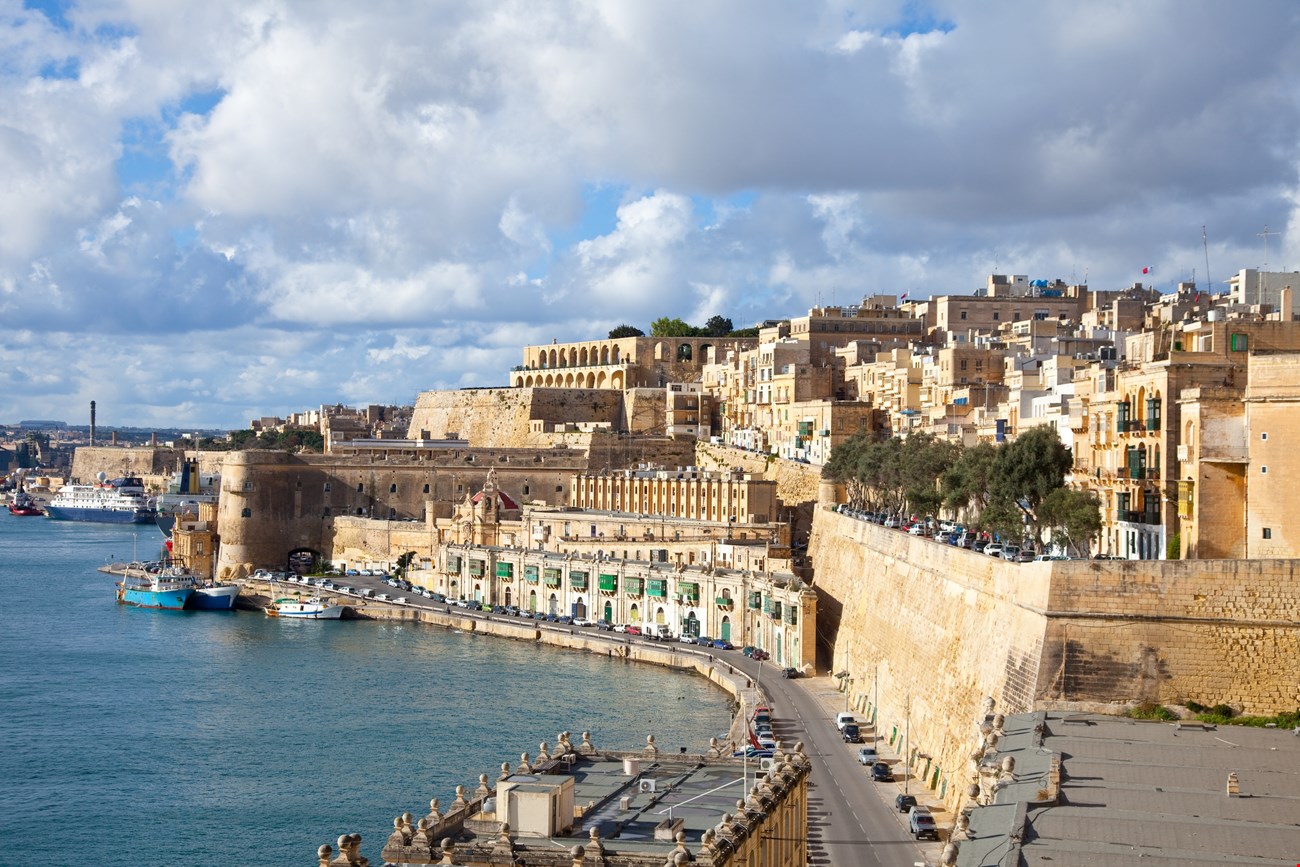
Valletta, Malta, is a historic coastal city renowned for its impressive Baroque architecture and rich cultural heritage. It serves as Malta’s capital and offers a wealth of museums, churches, and fortifications. Valletta’s charming streets, vibrant waterfront, and numerous cafes and restaurants make it a vibrant hub for tourists. Its strategic location and well-preserved history attract visitors interested in culture, history, and Mediterranean scenery.
Palma De Mallorca, Spain
Palma de Mallorca is not just the capital of the Balearic Islands—it's a living canvas where history, architecture, the sea, and the Mediterranean way of life blend with natural elegance. The city unfolds around a magnificent natural harbor, with the striking Gothic cathedral of La Seu rising above it like a quiet reminder of Mallorca’s grand past. Behind the old city walls, narrow alleys wind through aristocratic palaces, charming inner courtyards, and lively little squares that pulse with everyday life.
Palma moves to a distinctly Mediterranean rhythm: mornings are bright and filled with the scent of fresh ensaïmada, afternoons are slow and savor-rich, with long lunches and wine, and evenings stretch into open-air conversations and social energy. The city’s modern identity expresses itself through art, design, gastronomy, and a spirit that effortlessly blends European culture with island ease. From peaceful strolls along the seaside promenade to the vibrant energy of a night out, Palma reveals itself gradually—refined yet authentic, cosmopolitan yet deeply rooted in its local character.
It’s not a city that tries to impress—it’s a city that, if given time, reveals its grace slowly. And that makes it linger in the memory not as a postcard image, but as a textured, resonant experience filled with sound, light, and feeling.
Limassol, Cyprus
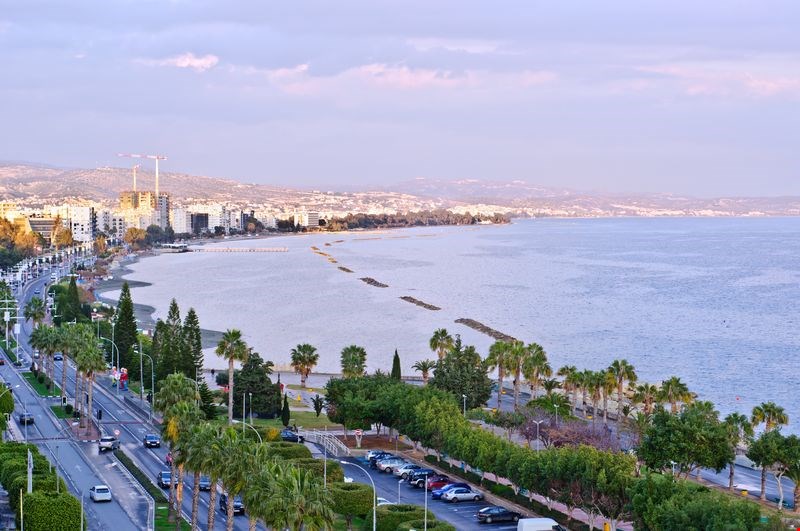
Limassol, located on the southern coast of Cyprus, is the island's second-largest city and one of the largests mediterranean port.
Limassol has a long histoty dating back to ancient times. Subsequently the island had been occupied by Byzantines, Venetians, Ottomans and British, who all left their traces to the culture of the town. Some of the sightseeings are the medieval castle, built by the Byzantines, the Archaeological Museum, the Folk Art Museum and the Public Garden, on the coastal road, with a variety of vegetation and a small zoo.
Rhodes
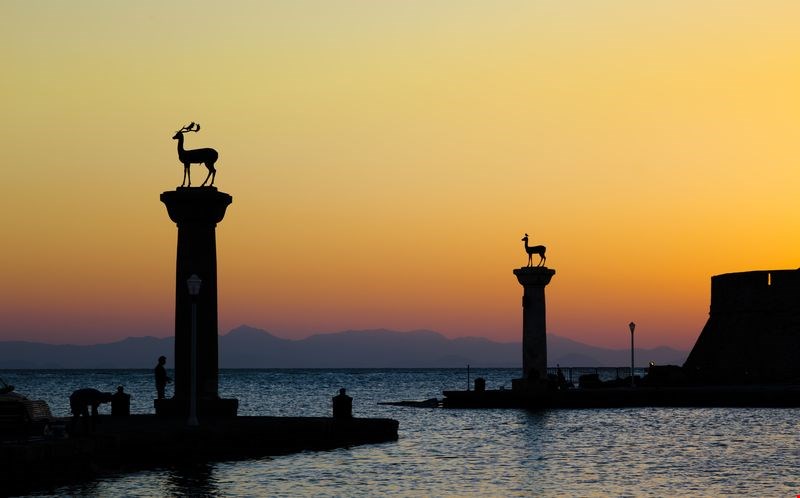
Rhodes is the largest of the Dodecanese islands and one of Greece’s most popular destinations. It is renowned for its UNESCO-listed Medieval Town, featuring the impressive Palace of the Grand Master and charming cobblestone streets. The island offers a unique blend of history, culture, and natural beauty, with beaches for every taste, picturesque villages, and vibrant nightlife. From Lindos to the Valley of the Butterflies, Rhodes promises unforgettable experiences for every visitor.
Trapani (Sicily), Italy
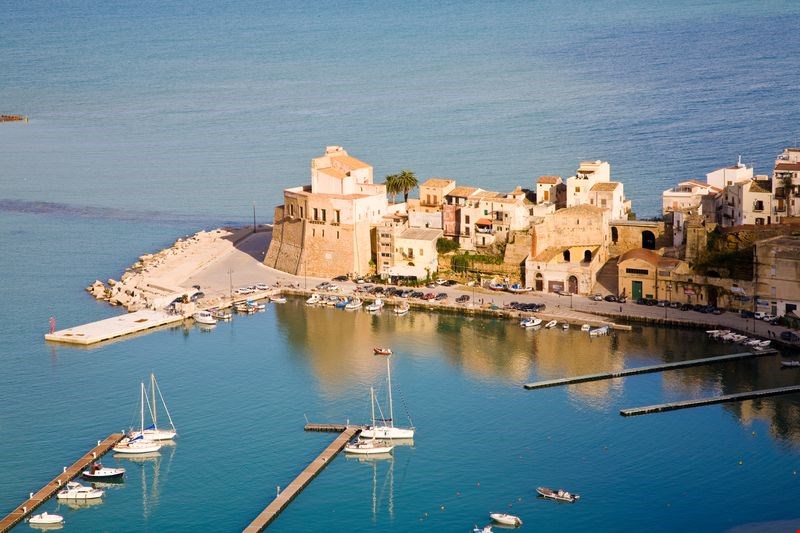
Trapani is a coastal city in western Sicily, built on a narrow strip of land that stretches into the Mediterranean. Historically, it was an important commercial and maritime center, known for tuna fishing and for salt production from its surrounding salt pans. The old town is distinguished by its Baroque buildings, churches, and narrow streets, while the city also serves as a starting point for excursions to the nearby Egadi Islands and the ancient site of Segesta. Trapani combines historical heritage, picturesque charm, and gastronomy, offering an authentic taste of Sicilian culture.